








Early Cotton Arrivals Hit Northern Indian Mandis; Global Price Trends Keep Market Tense
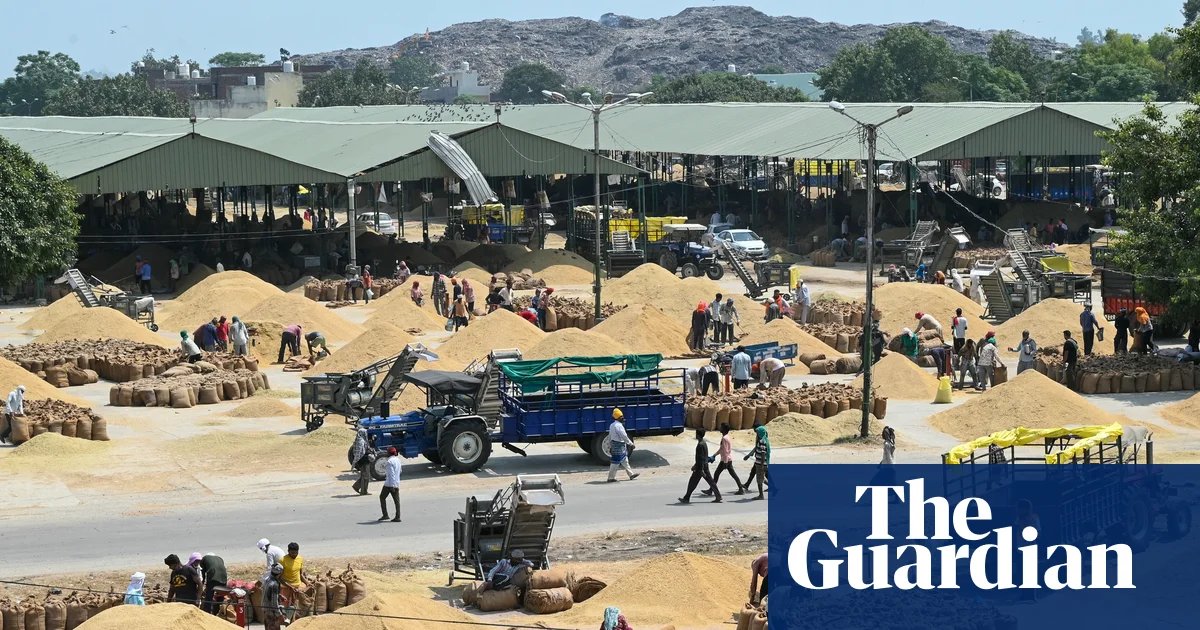
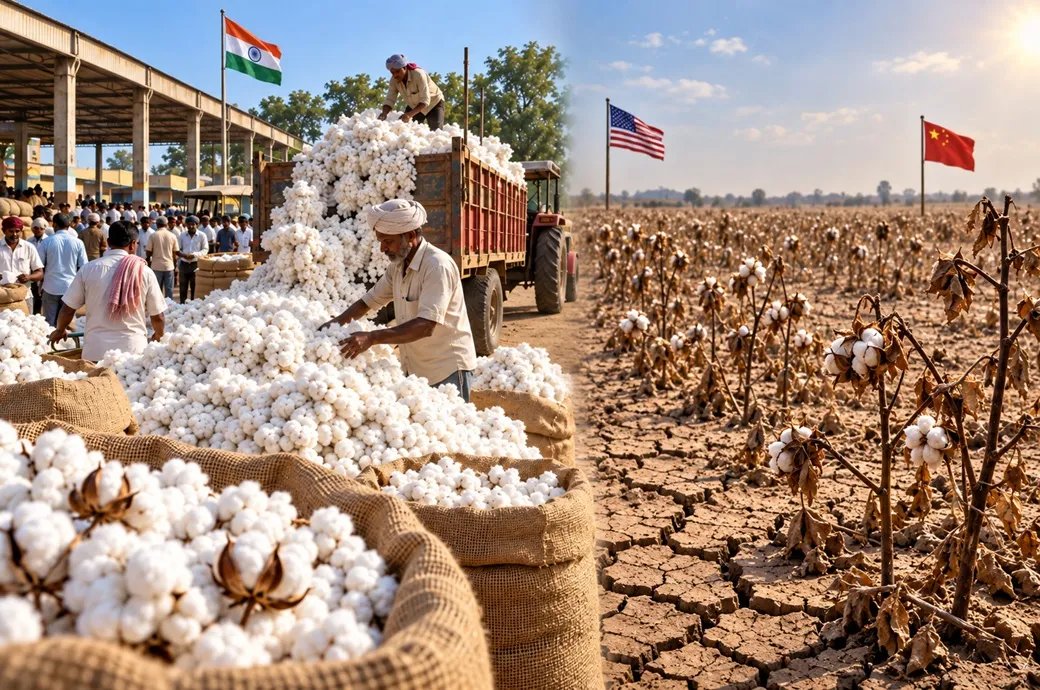
New-season cotton has begun hitting the mandis across Northern India, marking an early arrival window just weeks before the formal October 1 start of the 2024-25 marketing season. While the influx of fresh produce has exerted mild downward pressure on local spot prices, the overall outlook remains bolstered by firm international cues and mounting concerns over weather-driven crop volatility in key global markets.
Regional Arrival Patterns
Early data indicates that market activity is currently concentrated in the northern belt. Haryana has emerged as the frontrunner in early volume, contributing roughly 2,000 to 2,500 bales (of 170 kg each) to the initial supply pool. Operations in Rajasthan are also underway, with upper and lower regions each contributing approximately 500 to 600 bales. Conversely, Punjab has seen only a trickle of arrivals, with volumes remaining negligible as the region prepares for a larger harvest in the coming weeks.
Market analysts observe that these arrivals, which precede the official October commencement of the season, reflect a mix of early-sown crop readiness and a rush by farmers to capitalize on current price conditions.
Global Factors Support Prices
The domestic sentiment is currently locked in a tug-of-war between local supply arrivals and a bullish global outlook. International cotton prices have found substantial support from ICE futures, driven primarily by reports of severe dry weather conditions in major production hubs across the United States and China. These geographical concerns are creating a floor for prices that prevents any sharp devaluation despite the entry of new supply in India.
Within India, the situation is further complicated by erratic monsoon patterns. While northern arrivals have led to a moderate price correction—with quotes dipping by approximately ₹200 to ₹300 per maund (of 37.2 kg) early this week—the western cotton belt, a critical production zone, is facing its own set of uncertainties due to rainfall deficiencies. These weather-induced risks have introduced a layer of anxiety among stakeholders regarding the final yield, keeping the commodity highly sensitive to climate reports.
Impact on Procurement and Competition
The convergence of relatively high kapas (unginned cotton) prices and sustained international demand is expected to reshape procurement dynamics this season. With market prices currently hovering above typical support levels, private ginners are finding more room to maneuver. These players are actively competing for the available stock, aiming to secure high-quality early arrivals to fulfill both domestic and export commitments.
This competitive environment poses a challenge for the Cotton Corporation of India (CCI). Given that market prices are trading firmly, the necessity for the state-run agency to intervene for Minimum Support Price (MSP) procurement may be delayed. Unless prices experience a significant slump due to a massive, unexpected surge in supply, the CCI will likely play a peripheral role in the early stages of the season, leaving the market to be driven primarily by private trade dynamics and global price fluctuations.
As the industry moves toward October, all eyes remain on weather forecasts and the pace of arrivals in Gujarat and Maharashtra. Should the dry conditions persist in global markets, the Indian cotton sector can expect a volatile but high-value marketing season ahead.
Disclaimer: This content is auto-generated for informational purposes only.
Source: Read Original News