








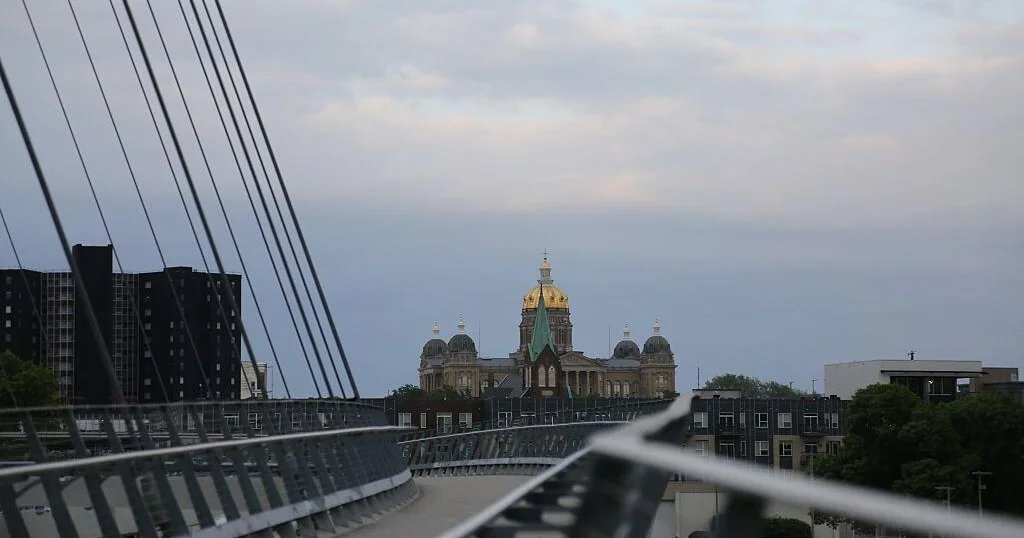
Iowa’s statehouse became the stage for a volatile political showdown this week as lawmakers fast-tracked $1.36 billion in tax incentives for a massive new steel manufacturing facility in Lee County. The deal, which follows President Trump’s recent announcement of a $15 billion industrial project, has sparked heated protests and intense debate over the state’s fiscal priorities just weeks before a high-stakes midterm election.
Despite the legislative urgency, the rollout of the project—led by the Indian conglomerate Essar Group—has drawn sharp criticism from both sides of the aisle. Critics have labeled the move the “largest corporate giveaway” in the state’s history, pointing to the company’s checkered past with infrastructure projects in Minnesota and the potential for a repeat of the failed Foxconn deal in neighboring Wisconsin.
## A Rushed Legislative Process
The legislative maneuvering to secure the funding took place in a single-day special session, leaving many lawmakers complaining that they were denied sufficient time to conduct proper due diligence. Even some members of the GOP, which controls the state government, expressed unease with the speed of the proceedings.
“The political extortion is breathtaking,” said Republican State Senator Kevin Alons during the session. However, the bill ultimately passed the House 75-17 and the Senate 28-19, with Governor Kim Reynolds signing it into law by Friday evening. The speed of the passage was a direct response to the political pressure following the White House’s announcement, which caught many state officials off guard, including those tasked with approving the massive tax credits.
## The Financial Burden of “Steel Steal”
The $1.36 billion incentive package breaks down to approximately $777,000 in tax credits per permanent job created over the next decade. While proponents highlight the 1,750 permanent positions and 6,000 temporary construction jobs as a transformative economic win for the region, opponents remain skeptical.
Data analysts and fiscal watchdogs are already comparing the project to the 2017 Foxconn investment in Wisconsin, where initial promises of 13,000 jobs were drastically scaled back after taxpayers had already committed significant funds. With many Iowa farmers facing ongoing financial strain, the decision to commit such a large sum to a foreign-owned entity has fueled a “No Steel Steal” movement among voters, who fear the state is being “fleeced” for a speculative project that may not materialize until 2030.
## Tech and Modern Industry Scrutiny
While the primary focus remains on traditional manufacturing, the controversy highlights a broader trend in how states leverage tax incentives to compete for industrial growth. Much like the tech industry’s push for data center subsidies, lawmakers are increasingly navigating a landscape where the promise of technological or industrial prestige often outpaces economic reality.
Political analysts note that the project is strategically located in Iowa’s first congressional district, a region currently home to one of the most competitive races in the country. For Republican Congresswoman Mariannette Miller-Meeks, the plant serves as a pivotal campaign talking point, yet it carries the risk of alienating voters weary of “corporate handouts.”
As early voting begins on October 14, the question is no longer just about the economic viability of the plant, but about accountability. With billions on the line, voters are left to weigh whether this “once-in-a-lifetime” opportunity is a legitimate investment in the state’s future or a costly gamble that prioritizes political theater over sound fiscal policy.
Disclaimer: This content is auto-generated for informational purposes only.
Source: Read Original News