








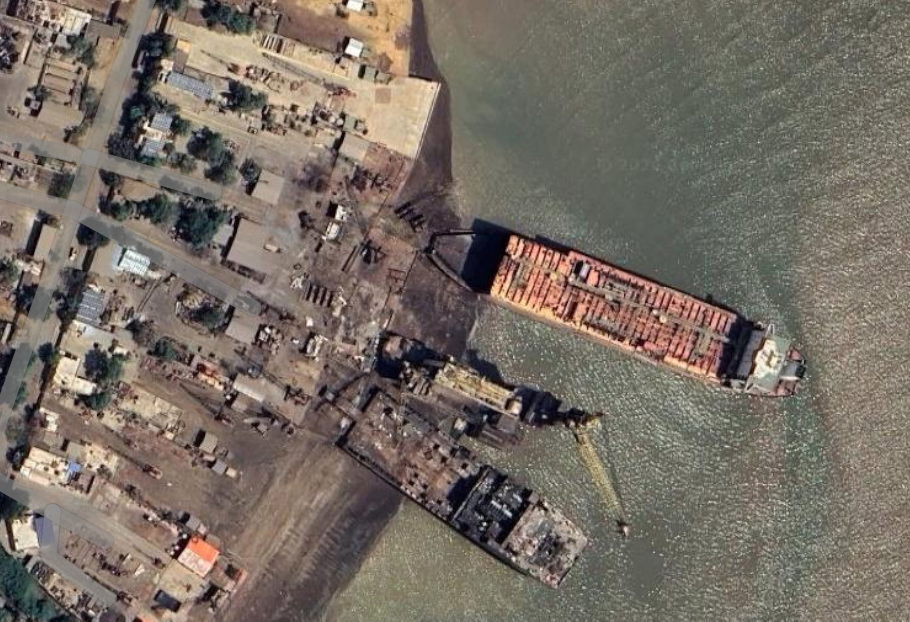
Industry Leaders Warn EU Shipbreaking Plan Risks Undermining Domestic Recycling Goals
BRUSSELS — European industrial stakeholders are raising alarms over a proposed regulatory shift concerning the dismantling of end-of-life vessels, warning that the policy could inadvertently jeopardize the European Union’s strategic ambition to bolster domestic steel recycling.
The concerns center on potential changes to how the EU manages its maritime waste streams. Industry representatives argue that the current trajectory of the policy, which involves increased engagement with shipbreaking facilities in South Asia, could weaken the incentive structure for developing robust, high-capacity recycling infrastructure within the bloc.
A Threat to Circularity
At the heart of the debate is the EU’s “strategic autonomy” in raw materials. As the European steel industry transitions toward greener production methods—most notably through the adoption of electric arc furnaces—the demand for high-quality, recycled scrap steel is surging.
Critics of the proposed plan argue that by facilitating the flow of end-of-life vessels to facilities outside of stringent EU oversight, the bloc is effectively “exporting” valuable secondary raw materials. This, they contend, undermines the circular economy by depriving domestic steelmakers of the high-grade scrap needed to decarbonize their production lines.
“If we are serious about achieving climate neutrality and retaining control over our critical material supply chains, we must prioritize domestic processing,” said a spokesperson for an industry coalition. “Relying on external shipbreaking, where environmental and safety standards are often difficult to monitor, contradicts the EU’s own green industrial strategy.”
The Call for Stronger Infrastructure
The industry is urging European policymakers to rethink the approach, suggesting instead that the EU invest in incentives that make domestic ship dismantling economically viable.
The concern is that the current legislative path creates a loophole for shipbreaking practices that prioritize low-cost labor over environmental sustainability. By shifting the focus away from internal capacity building, the industry fears that Europe will remain dependent on global commodity markets for its scrap steel, leaving it vulnerable to price volatility and supply chain disruptions.
What Comes Next?
As the proposal moves through the EU’s legislative pipeline, the tension between international trade obligations and the bloc’s “Green Deal” goals is expected to intensify. While proponents of the current plan argue that it addresses the global nature of the maritime industry, the domestic manufacturing sector remains firm in its stance: keeping the steel recycling value chain within Europe is essential for both the economy and the climate.
With the next round of discussions scheduled for later this month, stakeholders are preparing to lobby for amendments that would harmonize the EU’s maritime regulations with its broader industrial policy of recycling steel at home.