









The Delhi High Court has reaffirmed a landmark policy shift regarding how educational assistance is delivered to students from Economically Weaker Sections (EWS) and disadvantaged groups (DG). In an order dated October 12, 2026, the court dismissed a review petition filed by the NGO Justice For All, thereby upholding the Delhi government’s decision to replace the direct provision of physical uniforms with a Direct Benefit Transfer (DBT) of cash.
This decision marks a significant development in the administration of social welfare in schools, balancing bureaucratic efficiency with the fundamental right to education.
The Logic Behind the Policy Shift
For years, the mandate for private schools (both aided and unaided) to provide uniforms to students admitted under the EWS/DG quota was fraught with logistical hurdles. The Delhi government argued that the traditional process—which required schools to collect individual measurements for over five lakh children, procure specific fabrics, manage tailoring services, and execute distribution—was often delayed. These delays frequently resulted in students starting the academic term without their required attire, which can lead to social stigma and a sense of exclusion within the classroom.
By shifting to a DBT model, the government aims to streamline the procurement process, placing the responsibility on families to acquire the uniforms. The court found these administrative challenges to be “genuine” and “practical,” validating the state’s move to move away from centralized procurement.
Ensuring Accountability in Education
While the court upheld the policy, it did not grant the government an unrestricted mandate. A key aspect of the ruling is the emphasis on accountability. The court explicitly directed the government to ensure that an “adequate amount” is transferred “well within time and at the earliest.”
This shift changes the metric of success for the policy. The success of the program is no longer defined by the distribution of fabric or finished garments, but by the tangible outcome: the child’s ability to obtain the prescribed uniform. By conditioning the policy on the timely receipt of funds, the court has effectively established the child’s access to school equipment as the primary test of delivery. This ensures that the policy remains child-centric, preventing the financial support from becoming merely a statistic of fund transfer rather than a tool for learning.
Impact on EWS/DG Students
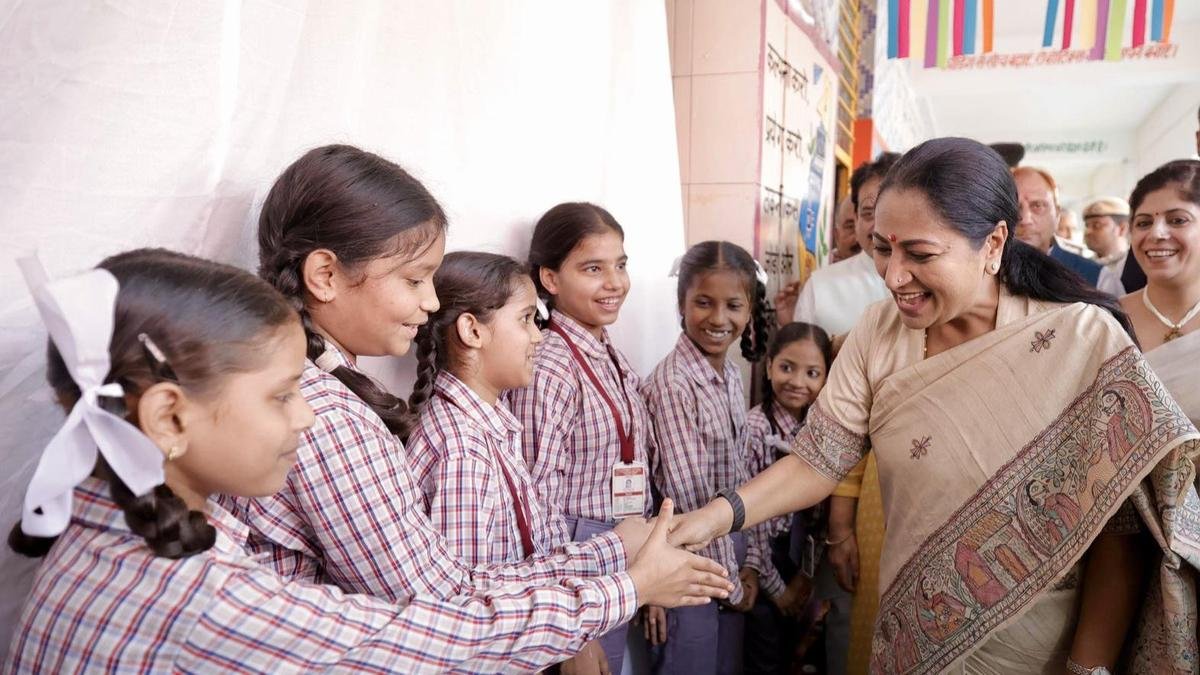
For students in the EWS and DG categories, the uniform is more than just clothing; it is a symbol of belonging. Education experts argue that when a student is properly equipped, it fosters a sense of equality and confidence, which are essential for academic engagement.
By providing cash directly, the government intends to empower parents to purchase uniforms that fit correctly and are available at the start of the academic year. However, the success of this model will now rely on the government’s ability to ensure that the cash amount is inflation-indexed and that families are not burdened with bureaucratic barriers when trying to access these funds.
Looking Ahead: Policy and Implementation
This legal precedent provides a template for how state governments can modernize educational support schemes. As schools increasingly rely on digital and financial technologies, the transition from “goods” to “cash” is likely to become more common.
However, institutions must remain vigilant. The court’s reminder that the outcome—the student in uniform—is more important than the process—the bank transfer—serves as a cautionary note for administrators. Policy designers must ensure that the DBT amount is sufficient to cover local market costs for quality uniforms. For the thousands of students in Delhi’s schools, the effective implementation of this policy will determine not just their comfort, but their ability to participate fully in the classroom without the barriers of socioeconomic disparity.
Disclaimer: This content is auto-generated for informational purposes only.
Source: Read Original News