







Divergent paths have emerged for two of England’s most prominent cricket stars as the landscape for the 2027 Indian Premier League (IPL) auction takes shape. In a striking illustration of the BCCI’s stringent regulatory environment, former England captain Ben Stokes and current national skipper Harry Brook find themselves on opposite sides of the eligibility divide, highlighting the severe consequences of player movement in the modern auction era.
As the cricket world turns its attention toward the upcoming mini-auction, the administrative status of these marquee players serves as a stark reminder that in the high-stakes world of franchise T20 cricket, the fine print of contract law is just as critical as performance on the field.
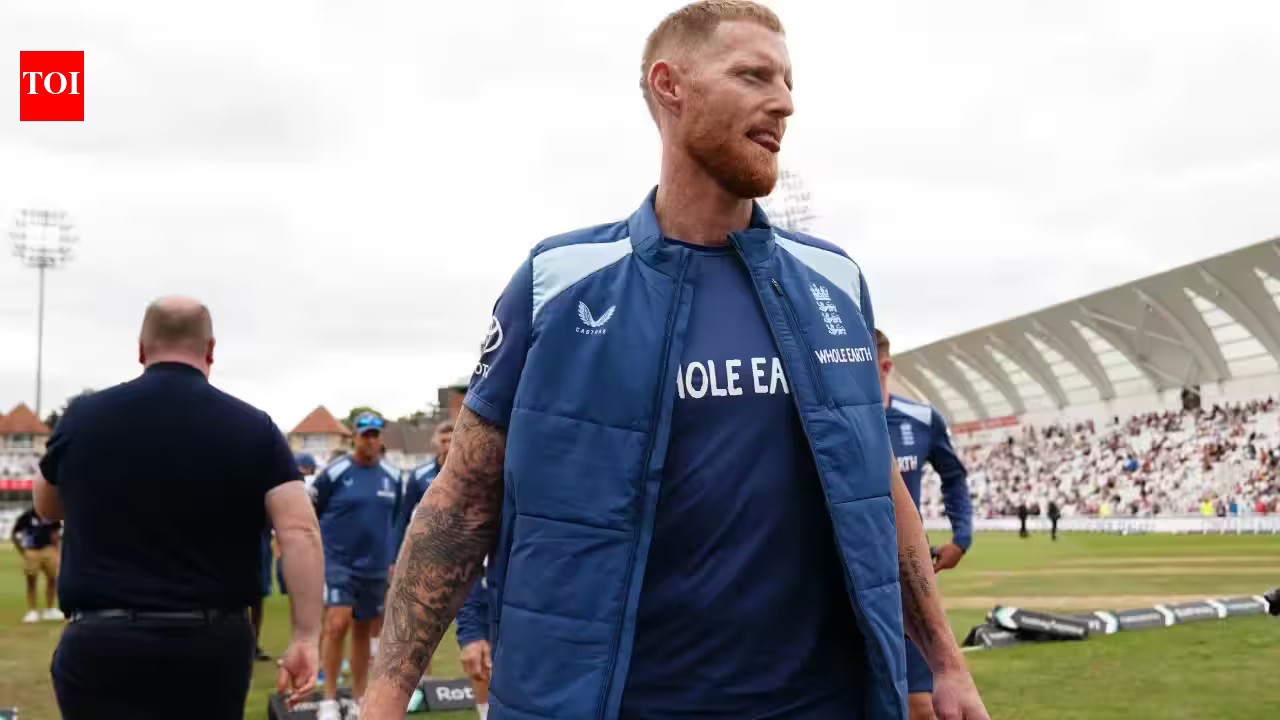
The Return of Ben Stokes
After a strategic absence from the auction room, Ben Stokes has officially signaled his intent to return to the world’s most lucrative league. The all-rounder’s path back to the IPL follows a period of calculated rest. When the BCCI introduced new player regulations ahead of the 2025 mega-auction, they instituted a “use it or lose it” policy: any overseas player who chose not to register for the mega-auction would face a one-year ban from subsequent auctions.
Stokes, prioritizing his workload management and the physical demands of international cricket, opted to skip the 2025 event. This decision triggered an immediate consequence, rendering him ineligible for the 2026 mini-auction. However, with that period of sanction now concluded, the English stalwart has officially entered his name for the 2027 mini-auction with a base price of Rs 2 crore. His return is expected to be one of the headline stories of the event, as teams look to secure his leadership and versatile skill set.
The Harsh Reality of Harry Brook’s Ban
In sharp contrast to Stokes, Harry Brook’s situation is far more precarious. The current England skipper remains sidelined from the IPL, caught in the crosshairs of the BCCI’s robust measures to discourage last-minute withdrawals.
Brook’s predicament began following the 2025 mega-auction, where he was secured by the Delhi Capitals for a hefty Rs 6.25 crore. Shortly after being signed, Brook made the decision to withdraw from the tournament before a ball was bowled. Under the current BCCI mandate, any player who registers for an auction and is subsequently bought, but then becomes unavailable before the season’s commencement, faces a mandatory two-season ban.
This rule, designed to protect the integrity of the auction process and the financial planning of the franchises, has hit Brook hard. He was forced to sit out the 2026 season and will remain ineligible for the 2027 edition. He is not expected to return to the auction pool until the completion of the 2027 campaign, a significant blow to both the player and potential suitors who value his explosive batting.
Why the BCCI Adopted the “Two-Season” Rule
The implementation of these strict regulations is no accident. For years, IPL franchises had expressed growing frustration over the trend of high-profile overseas stars pulling out of tournaments after being selected. These late-stage departures frequently left teams in a lurch, forcing them to scramble for replacements while their original budget allocations remained tied up or wasted.
The trend saw stars like Jason Roy and Alex Hales withdrawing after being drafted, causing disruption to squad structures. Consequently, the BCCI sought to professionalize the commitment expected of players. By imposing a two-season ban on those who withdraw without a valid medical or injury-related reason, the governing body has placed a premium on availability.
The rule serves a dual purpose: it ensures that the auction results reflect actual on-field commitment, and it forces players and their management teams to carefully weigh their physical and mental capacities before committing their names to the hat.
Medical Exemptions and the “Hasaranga Protocol”
It is vital to note that the two-season ban is not a blanket penalty; it is specifically targeted at voluntary withdrawals. The BCCI’s regulations provide a clear distinction for players who are genuinely injured, provided they can provide certified medical documentation.
The case of Sri Lankan all-rounder Wanindu Hasaranga serves as a prime example of how this operates. After being signed by Sunrisers Hyderabad and later suffering a hamstring injury that kept him out of the 2026 season with the Lucknow Super Giants, Hasaranga avoided the punitive two-season ban. Because his absence was dictated by injury rather than choice, he remains in good standing with the board and has successfully registered for the 2027 mini-auction at a base price of Rs 2 crore.
A New Era of Accountability
As the IPL moves into the 2027 cycle, the stories of Stokes, Brook, and Hasaranga underscore a broader shift in the league’s culture. The days of treating an IPL contract as a tentative agreement are largely over. The BCCI has successfully shifted the power balance to prioritize franchise stability, ensuring that when a hammer falls at an auction, it signals a firm and binding partnership.
For Harry Brook, the next two years represent a period of reflection on the cost of non-participation. For Ben Stokes, the 2027 auction offers a clean slate and a potential renaissance. Ultimately, these contrasting journeys serve as a cautionary tale to every international player hoping to make their mark on the IPL: in the modern game, the most important trait a player can bring to the table is availability.
Disclaimer: This content is auto-generated for informational purposes only.
Source: Read Original News