








Integrating Automated Leak Prevention
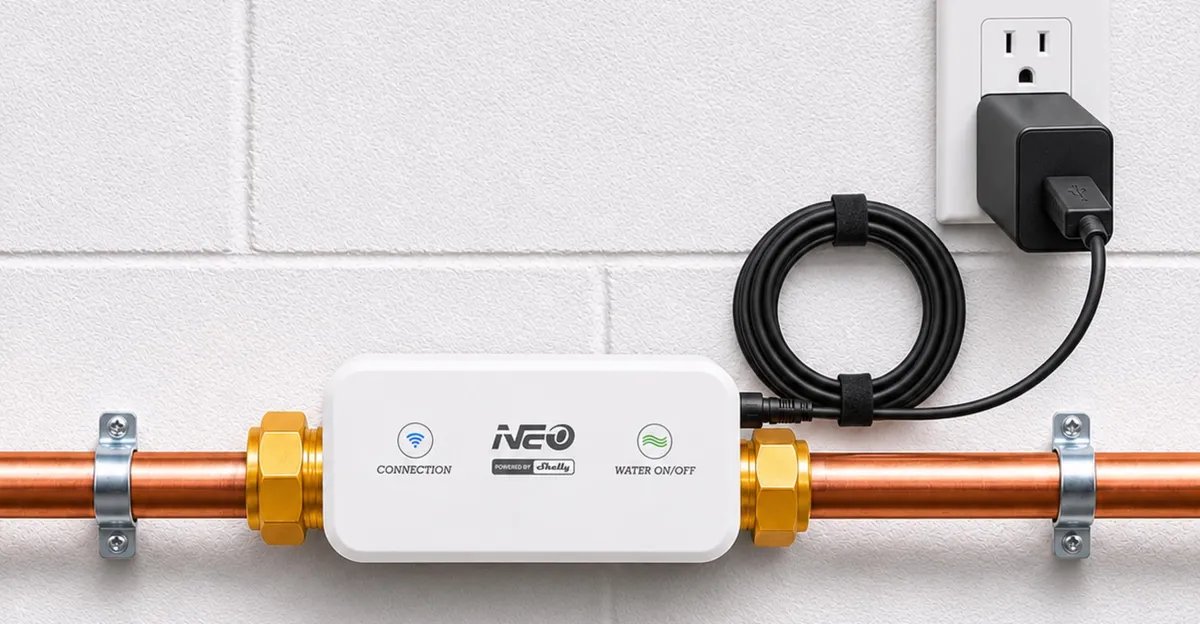
The recent release of the Shelly Neo Smart Water Valve represents a significant progression in home automation, specifically within the realm of damage mitigation. While leak detectors have long been available to provide alerts, they frequently rely on the homeowner being present or available to take manual action. By introducing a mechanical valve that interacts directly with these sensors, Shelly is closing the loop on water damage protection. The device is intended for installation directly on a home’s main water line, serving as a physical barrier that can automatically terminate flow the moment a downstream leak sensor broadcasts a distress signal.
This integration is intended to eliminate the period of human latency between a leak occurring and the water supply being cut off. Given that catastrophic water damage can occur in residential settings within minutes, the ability to transition from a sensor alert to a closed valve in approximately 12 seconds provides a substantial safeguard.
Hardware Specifications and Durability
The Shelly Neo Smart Water Valve is constructed from brass, a material chosen for its durability and suitability for potable water systems. At launch, the device is compatible with standard 1-inch threaded connections, which covers a significant portion of residential plumbing setups in the United States. While the manufacturer has indicated plans to introduce additional sizing standards in the coming year, users should verify their current plumbing dimensions before procurement.
A notable feature of the hardware is its IPX7 waterproof rating. This certification ensures that the unit can remain functional even if the environment surrounding the main pipe becomes flooded. This is a critical design choice, as water leaks often manifest near the point of entry or the water heater, areas prone to standing water during a pipe failure. Power is supplied via an included USB adapter cable. Because the valve requires constant connectivity to maintain its smart functionality and physical state, users must plan for a reliable power source. In environments where power reliability is a concern, connecting the valve to a waterproof power bank acts as an effective failsafe, ensuring the system remains operational even if the home grid fails during a storm or localized power outage.
Monitoring and Ultrasonic Analytics
Beyond its role as a shut-off mechanism, the Shelly Neo incorporates an integrated ultrasonic measurement system. This sensor array moves the device from a simple remote-controlled switch into the category of a comprehensive utility monitoring system. By utilizing ultrasonic technology, the device is capable of tracking flow rates, water pressure, and total volumetric consumption.
This data is processed and sent to the Shelly mobile application, providing homeowners with real-time visibility into their water usage. The system identifies unusual patterns that might not trigger a catastrophic leak alert but could signal a “slow leak,” such as a dripping faucet or a malfunctioning toilet flapper. Furthermore, the unit monitors water temperature and pressure levels. High pressure is a leading cause of pipe stress and appliance wear in residential settings; by monitoring this through the interface, homeowners can proactively address plumbing conditions before they lead to a burst pipe, effectively moving from reactive to predictive maintenance.
Connectivity and Smart Home Ecosystems
The Shelly Neo is engineered with versatile networking capabilities, supporting both Wi-Fi and Bluetooth. This dual-radio approach ensures that the device can be commissioned easily and integrated into diverse network environments. For advanced users and professional integrators, the device supports robust protocols including MQTT and webhooks. These open standards allow the valve to communicate with a wide range of home automation controllers, including platforms like Home Assistant, without being locked into a proprietary ecosystem.
The inclusion of local scripting capability further enhances the device’s utility. Advanced users can configure the valve to execute complex logic locally, reducing dependence on cloud servers. This is particularly relevant for security-focused households that prefer to keep their infrastructure offline or within a localized network. By allowing for custom automation sequences, users can create sophisticated rules—such as scheduling the valve to shut off water automatically when the security system is armed in “away” mode or integrating the valve with temperature sensors to trigger a shut-off if the pipes reach a freezing point, thereby preventing rupture.
Impact on Residential Maintenance
The total cost of entry, which includes the $499.99 purchase price plus potential plumbing labor, positions the Shelly Neo as a premium investment. However, when contrasted with the financial and logistical impact of a flooded basement or water-damaged floorboards, the device acts as a form of residential insurance. The ability to monitor systemic water health—tracking everything from flow consistency to pressure surges—provides an level of insight previously available only through commercial or industrial flow meters.
As smart home technology matures, the shift toward active infrastructure management, such as automated water control, is becoming increasingly vital. By combining physical hardware intervention with data-driven monitoring, the Shelly Neo offers a comprehensive solution for managing the most common and costly hazard in residential maintenance. Homeowners now have the technical means to automate the protection of their property, replacing manual shut-off procedures with a system that operates independently and decisively.
Disclaimer: This content is auto-generated for informational purposes only.
Source: Read Original News