








The shift toward electric vehicles is moving faster than many realize. While the news is filled with debates over policy, for the average driver, the conversation is really about something far more personal: your monthly budget and how you get from point A to point B. With European electric vehicle registrations surging by over 60 percent recently, it is clear that a transformation in how we travel is well underway. If you have been sitting on the fence, wondering if it is time to trade in your petrol or diesel engine for a battery-powered ride, now is a great time to look at the practical reality of making the switch.
The Financial Perks of Going Electric
The most compelling reason to consider an electric vehicle often comes down to the bottom line. It is no secret that the initial price tag of a new electric car can be higher than a traditional counterpart, but focusing only on the sticker price misses the bigger picture. When you factor in the total cost of ownership, the savings begin to add up quickly.
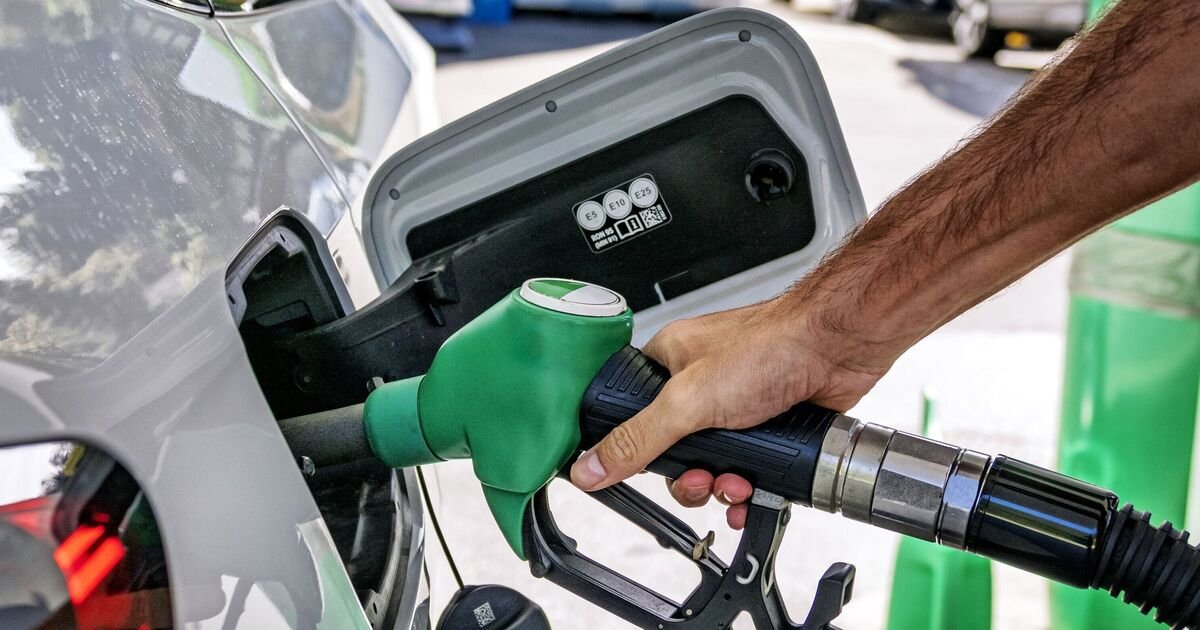
Maintenance is a huge factor. Without the need for oil changes, timing belt replacements, or exhaust system repairs, you spend far less time at the mechanic. Charging at home is generally much cheaper than visiting a petrol station, especially if you can utilize off-peak electricity rates. Experts suggest that families could save hundreds of pounds a year on fuel and maintenance alone. Over the course of a few years, those savings start to balance out that initial purchase price, making the switch a smart move for your bank account.
Navigating the Charging Landscape
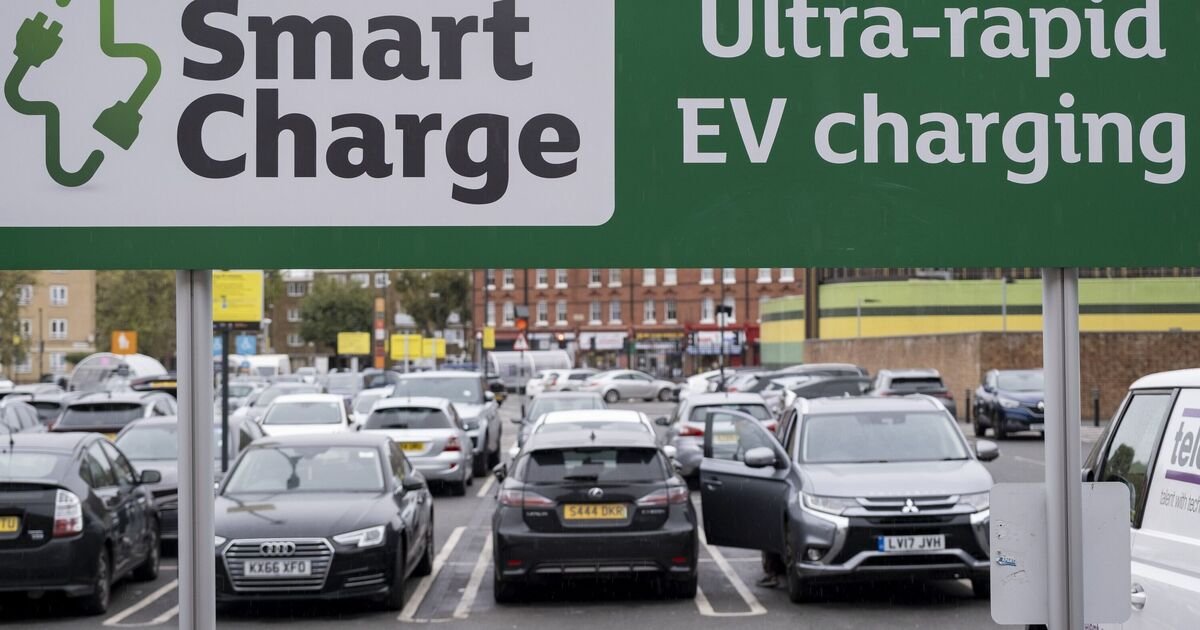
One of the most common hesitations people have is the fear of running out of power or struggling to find a place to plug in. However, the infrastructure is growing rapidly. Supermarket car parks, office buildings, and residential streets are seeing a constant rollout of new charging hardware.
The trick is to rethink how you approach “refueling.” Instead of viewing it as a chore that requires a dedicated trip to a station, think of it like your smartphone. When you arrive home, you simply plug the car in, and by morning, you have a full charge ready for the day. For most daily commutes, you will rarely need to seek out a public rapid charger. When you do travel further afield, a quick stop for a coffee or a bite to eat is usually all the time required to add a significant amount of range to your battery.
Planning for Future Resale
When you buy a car today, you want to know that it will hold its value for years to come. As more countries and manufacturers commit to electric technology, the demand for traditional fuel-burning cars is likely to change. By choosing an electric model, you are essentially future-proofing your purchase.
As the second-hand market for electric vehicles grows, more people will find access to affordable, reliable, and clean transportation. This shift isn’t just for luxury car buyers anymore. With a wider variety of models appearing on the market, from compact city cars to spacious family haulers, there is a model for almost every lifestyle. Investing in this technology now means you are ahead of the curve, rather than holding onto a vehicle that might become harder to sell later.
Making the Transition Work for You
Transitioning to a new way of driving doesn’t have to be overwhelming. Start by researching the models that fit your daily mileage. If your commute is short, you may find that you don’t even need the most expensive model with the longest range.
Look into your local area to see where charging hubs are situated. Many apps and websites now provide maps that show you exactly where to find power, how fast those chargers work, and if they are currently available. Talking to friends or colleagues who have already made the jump can also provide realistic insights into how they manage their charging routines.
Ultimately, the goal of modern transport is to make our lives easier, more affordable, and more efficient. As the market expands and technology improves, the barrier to entry is lowering every single day. Staying informed about these developments allows you to take control of your travel costs, ensuring you stay mobile without the constant headache of fluctuating fuel prices. The road ahead is increasingly electric, and there has never been a better time to prepare for the journey.
Disclaimer: This content is auto-generated for informational purposes only.
Source: Read Original News