









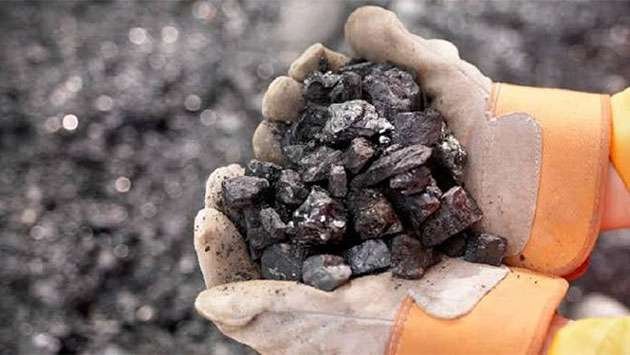
The national exchequer has suffered a staggering loss of Rs. 15 billion due to the procurement and utilization of inferior quality coal, a revelation that has ignited widespread public outcry and intense scrutiny from oversight bodies.
The financial blow, which comes at a time when the country is grappling with severe economic instability and rising energy costs, has been linked to the substandard grade of coal supplied to thermal power plants. Experts familiar with the situation suggest that the low-grade fuel failed to meet operational efficiency standards, resulting in significant mechanical complications, frequent plant shutdowns, and a disastrous impact on the national grid’s output.
The issue, which surfaced following internal audits and reports from energy sector analysts, highlights a systemic failure in the procurement process. By opting for cheaper, lower-quality coal, the authorities aimed to cut immediate costs; however, this short-sighted strategy has backfired, leading to colossal maintenance expenses, damaged infrastructure, and the necessity of purchasing expensive emergency power from alternative sources to bridge the generation gap.
“It is a classic case of paying a premium for incompetence,” said a senior energy consultant, who requested anonymity. “You don’t just lose money on the fuel itself; you lose millions more in lost productivity, plant degradation, and the additional load placed on other power plants that had to compensate for the downtime caused by this low-grade coal.”
The Rs. 15 billion figure has sent shockwaves through government circles, with opposition leaders and transparency advocates calling for an immediate, independent inquiry into the bidding process. There is mounting pressure on the Ministry of Energy to release the procurement contracts, the names of the suppliers involved, and the technical reports that allowed such sub-par fuel to be cleared for use.
For the general public, the news is particularly galling. With the population struggling under the weight of high utility bills and the burden of austerity measures, the realization that billions have been squandered through negligence or potential corruption has triggered calls for accountability. Citizens and consumer rights groups are demanding that those responsible for the procurement decisions be held legally liable for the loss.
As the government faces growing demands for transparency, the focus has shifted toward the tender boards and the quality control protocols that failed to detect the discrepancy in the coal’s energy value before it reached the power stations. Whether the recovery of these funds is possible remains unclear, but for now, the incident stands as a stark warning of the hidden costs of compromising on quality in national energy infrastructure. The government has yet to issue a formal statement regarding the remedial measures or the disciplinary actions that may be taken in the wake of this financial catastrophe.
Disclaimer: This content is auto-generated for informational purposes only.
Source: Read Original News