








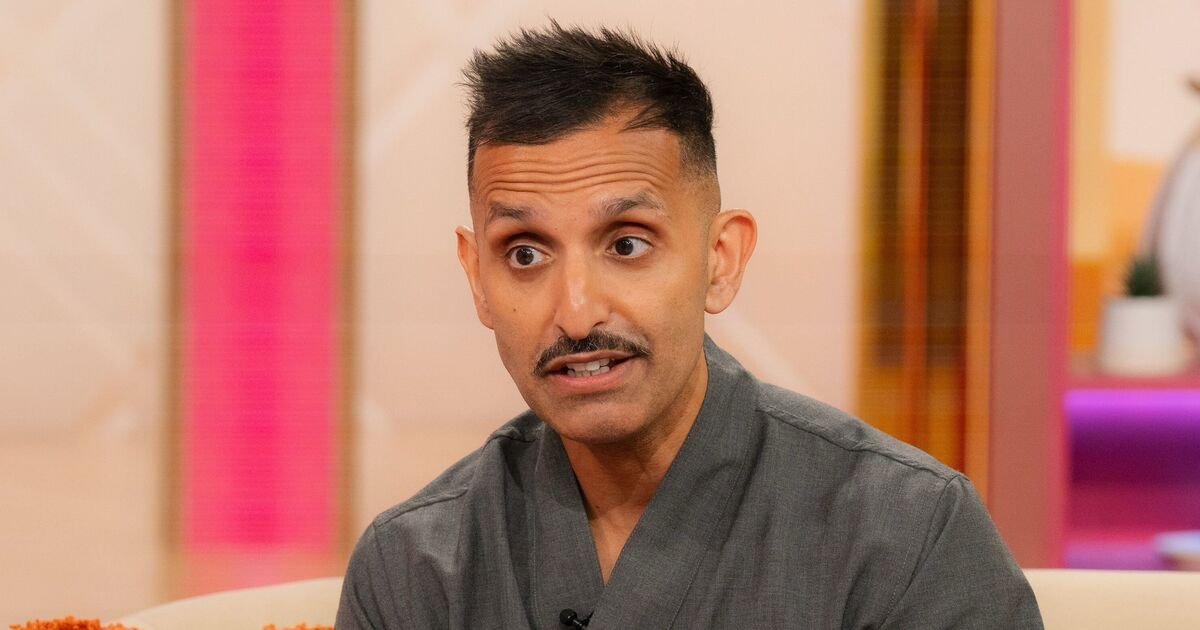
We often treat our thirties and forties as the peak of our physical journey, but health experts suggest that this is precisely the time to start thinking about the “long game.” While we might focus on aesthetics or quick fitness fixes, the way we treat our bodies now has a profound effect on our future mobility and energy levels. Dr. Amir Khan recently shared some refreshing, practical advice on how to tweak our daily routines to ensure we stay sharp, strong, and steady as the years pass.
The best part? Most of these habits require little more than a few minutes and zero expensive equipment.
Mastering Your Balance With A Toothbrush
One of the most surprising tips involves the humble act of brushing your teeth. It is easy to view this twice-daily ritual as a mindless task, but it is actually the perfect opportunity to work on your balance. As we cross the age of 35, the tiny sensors in our muscles and the systems in our inner ears that keep us steady begin to decline unless we give them a reason to stay sharp.
By simply standing on one leg while you brush, you are forcing your brain to engage in active coordination. Balancing for 30 seconds on each leg helps train your core and improves the signalling between your brain and your body. It is a tiny, manageable change that dramatically lowers your risk of falls or injuries later in life. If you find yourself wobbling at first, just hold onto the vanity for support, but make it a goal to eventually go hands-free.
Harnessing The Power Of Early Morning Light
If you find yourself feeling sluggish throughout the day, the solution might be waiting for you just outside your front door. Your circadian rhythm, the natural internal clock that dictates when you sleep and wake, becomes slightly less responsive as you get older. Taking just five minutes to step outside first thing in the morning acts as a reset button for your body.
The sunlight hitting the receptors in the back of your eyes sends a clear signal to your brain. This helps regulate your cortisol levels, boosts your alertness, and actually helps you feel more ready for bed when the evening rolls around. It is a completely free, natural way to stabilise your energy and appetite hormones. Consider it a quick morning reset rather than a chore.
Small Bursts Of Intensity
We often think that improving our fitness requires an hour at the gym, but you can improve your oxygen processing efficiency—known as VO2 max—with much less effort. Your heart and your internal cellular powerhouses, the mitochondria, become less efficient as time goes on. The good news is that you can challenge them with short, sharp bursts of movement.
You do not need a full high-intensity workout to see results. Instead, look for moments to elevate your heart rate briefly throughout the day. Whether it is taking the stairs at a faster pace, sprinting to the end of your driveway, or pushing yourself during an uphill walk, these 20 to 40-second bursts force your body to work harder. It is a simple way to stimulate new mitochondria and keep your cardiovascular system running smoothly.
Keeping A Regular Check On Your Health
Taking ownership of your health means knowing your numbers. Because conditions like high blood pressure can develop quietly without obvious symptoms, monitoring them at home is a smart proactive measure. You do not need to check every day, but once a month gives you a solid baseline.
If you notice your readings are consistently creeping up, it is worth tracking them daily for a week to get an accurate average. Remember that a single high reading does not necessarily mean there is a problem; however, having that data ready makes it much easier to have a productive conversation with your doctor if necessary. Catching these changes early is one of the most effective ways to protect your long-term health.
Building Strength For The Future
Finally, it is important to remember that muscle and bone density are not permanent features; they require consistent maintenance. From our mid-thirties onwards, we naturally lose some muscle fibre, but we can fight back by incorporating strength and impact exercises twice a week.
This does not have to mean lifting heavy iron if that is not your style. Activities that provide resistance, like bodyweight squats, lunges, or even brisk walking with light weights, send the right signals to your muscles and bones to stay dense and strong. This effort pays dividends by supporting your metabolism and ensuring your joints stay stable for years to come. By making these tiny, intentional choices now, you are investing in a much healthier and more mobile future.
Disclaimer: This content is auto-generated for informational purposes only.
Source: Read Original News