





The Strategic Pivot: Re-evaluating the 4G Renaissance in India
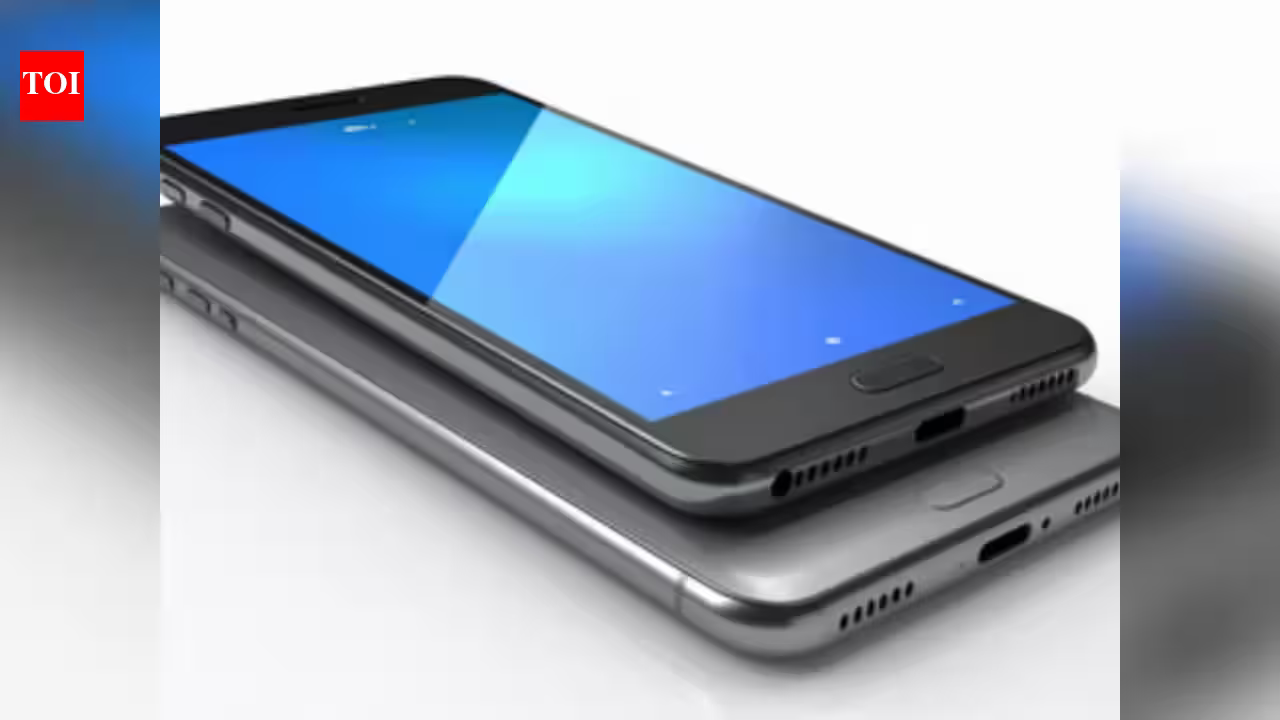
The narrative of the Indian smartphone market has been dominated by the rapid rollout of 5G infrastructure and the subsequent push by original equipment manufacturers (OEMs) to migrate consumers toward high-speed connectivity. However, recent market data indicates a significant shift in this trajectory. Rising component costs, particularly in the memory and chipset sectors, have created a pricing bottleneck. As the cost of implementing 5G hardware climbs, the market is witnessing an unexpected resurgence of 4G devices, which are being repositioned not merely as budget substitutes, but as value-centric alternatives.
The underlying catalyst for this trend is a misalignment between the rising cost of production and the stagnant purchasing power of the average consumer. For years, the industry operated under the assumption that 5G would become the baseline for all segments. Today, that assumption is being challenged. OEMs are finding it increasingly difficult to deliver a premium user experience—defined by camera quality, battery longevity, and processing speed—within the budget-constrained sub-Rs 15,000 category while simultaneously integrating 5G chipsets. This financial reality has forced a strategic pivot, leading brands to reintroduce 4G handsets that offer superior specifications compared to their 5G counterparts at the same price point.
The Economics of Component Inflation
The smartphone industry operates on thin margins, and the recent spike in memory costs has acted as a primary driver of retail price inflation. Semiconductor manufacturing, while advancing in process nodes, has faced supply chain volatility that affects the cost of storage and RAM. When manufacturers build a 5G-ready device, the bill of materials (BOM) is naturally higher due to the inclusion of specialized modems, complex antenna arrays, and the necessary thermal management systems required for 5G performance.
In the Indian context, where the sub-Rs 15,000 price band remains the volume engine of the market, this cost inflation poses a systemic threat. If an OEM attempts to keep a 5G phone within this budget, they are often compelled to compromise on secondary components, such as display resolution, build quality, or software optimization. Consumers, increasingly discerning about the overall device experience, are expressing reluctance to accept these trade-offs. The 4G comeback is essentially a market correction where brands are choosing to strip away the 5G modem in exchange for better hardware elsewhere, thereby capturing a segment of buyers who prioritize functional performance over speculative future-proofing.
Shifting Consumer Priorities and Value Perception
The traditional perception of 4G phones was limited to the entry-level, ultra-budget category. This perception is rapidly changing as the segment moves into the mid-tier. Data from market analysts suggests that the number of brands offering 4G models in the Rs 10,000 to Rs 20,000 price band has increased significantly. This indicates that the 4G proposition is no longer about reaching the lowest possible price floor; it is about providing a high-quality user experience that remains shielded from the inflationary pressures of next-generation connectivity hardware.
Consumers in India are showing a heightened sensitivity toward the “total cost of ownership” versus the immediate utility of the device. For many users, 4G networks remain stable, ubiquitous, and sufficiently fast for video streaming, social media, and digital banking—the primary use cases for the majority of the Indian population. When faced with the choice between a compromised 5G device and a robust, well-specced 4G device, a growing cohort of buyers is choosing the latter. This reflects a maturation of the consumer base, where functional requirements are being placed ahead of technical specifications that may not offer immediate or tangible benefits in their daily lives.
The Competitive Landscape and OEM Strategies
The response from prominent brands such as Lava, Xiaomi, Infinix, and Realme highlights a pragmatic approach to business operations in a high-cost environment. For these companies, the priority is to maintain market share and relevance in a climate where total smartphone shipments have shown signs of decline. By diversifying their portfolios with high-end 4G devices, these manufacturers are effectively hedging their bets.
From a product development standpoint, this strategy allows brands to differentiate their offerings. An OEM can market a 4G phone with a superior camera sensor or a larger battery capacity, creating a distinct value proposition that stands out against the sea of entry-level 5G devices that often feel utilitarian. This competitive differentiation is crucial in the Indian market, which is characterized by hyper-competition and brand switching. By focusing on the “overall experience,” companies are successfully converting buyers who might have otherwise delayed their purchase due to the high costs associated with the entry-level 5G tier.
Long-term Implications for Digital Inclusion
The resurgence of 4G is expected to persist, as component costs are unlikely to normalize in the short to medium term. This brings into focus a broader discussion about digital inclusion and the speed of technology adoption. While 5G is undoubtedly the future of mobile connectivity, the current market trends suggest that the transition will be less linear than initially projected. The industry is currently in a phase where the pace of infrastructure deployment is outpacing the consumer’s ability or willingness to pay the premium required for the hardware.
For policymakers and stakeholders in the Indian telecommunications ecosystem, this trend provides a vital lesson in price elasticity. As long as the affordability gap persists, the 4G segment will continue to serve as a critical bridge. Manufacturers are not abandoning 5G, but they are acknowledging that the market requires a segmented approach. Future growth in the Indian smartphone sector will likely be defined by this hybrid reality, where 4G maintains its dominance in the price-sensitive segments, while 5G establishes its foothold in the premium and aspirational categories.
In conclusion, the comeback of 4G devices is a rational response to the economic pressures currently shaping the electronics industry. By prioritizing user-centric features over forced connectivity upgrades, manufacturers are successfully navigating a difficult fiscal period. This shift underscores the importance of value engineering in the Indian market, proving that in the quest for technological progress, the hardware must remain accessible and the user experience must remain the ultimate metric of success. As the market moves toward 2026 and 2027, the resilience of the 4G segment will continue to serve as a reminder that consumer demand is fundamentally tethered to the balance between cost, quality, and practical utility.
Disclaimer: This content is auto-generated for informational purposes only.
Source: Read Original News