








The Erosion of Global Oil Buffers
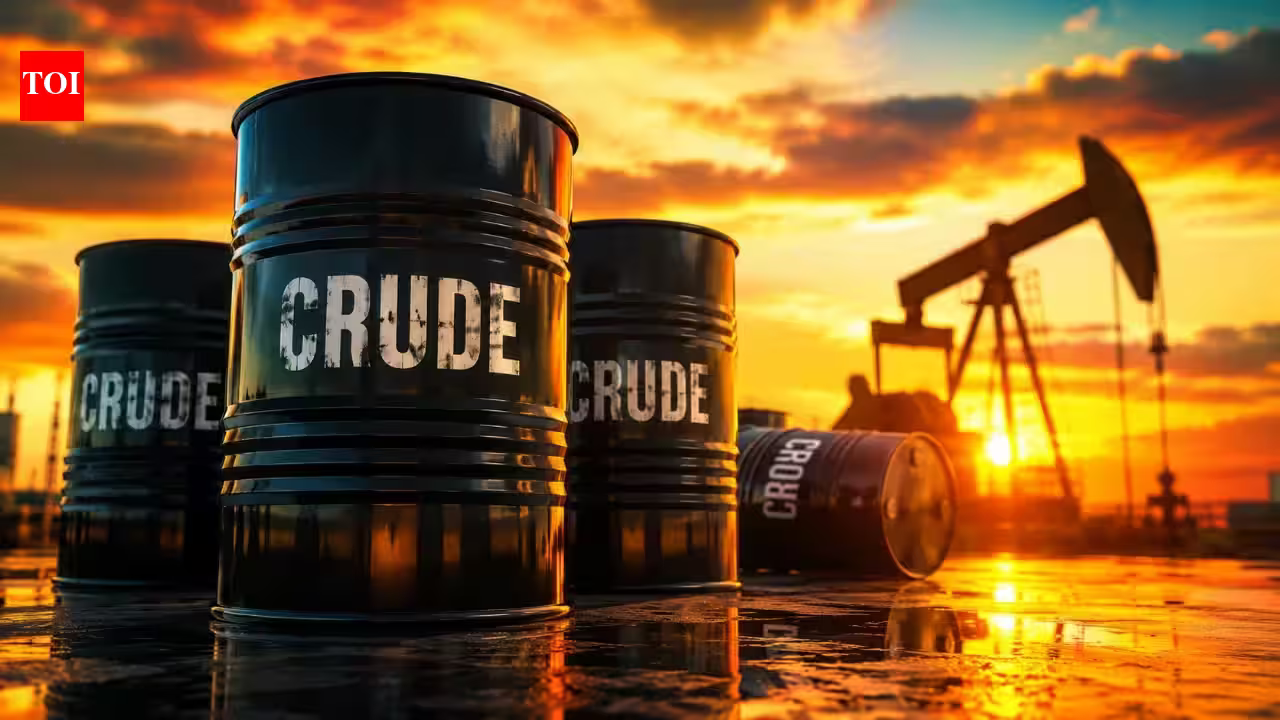
The global energy landscape is currently navigating a period of unprecedented fragility. Industry leaders gathering at recent high-level energy forums have sounded a clear alarm: the world’s safety cushion for crude oil—the commercial stockpiles that historically act as a shock absorber during supply disruptions—has been whittled down to critical levels. With over one billion barrels removed from commercial inventories since the onset of geopolitical conflicts in the Middle East and Eastern Europe, the infrastructure of global energy security is showing signs of severe strain.
The central issue is not merely the volume of oil held in tanks, but the liquidity of that inventory. Saudi Aramco CEO Amin Nasser recently highlighted that while global commercial inventories are officially recorded at less than six billion barrels, a massive portion of this supply is effectively inaccessible. Much of this oil is trapped in logistics chains—clinging to the bottoms of storage tanks, held in pipelines, or maintained as strategic government reserves that are not intended for immediate market deployment. Estimates suggest that ten percent or less of the world’s reported inventory is practically available for rapid market release. When daily global consumption remains robust at approximately 102 million barrels, this thin layer of accessible supply leaves the global economy highly vulnerable to price spikes should any further disruption occur in transit routes like the Strait of Hormuz.
Supply Risks and Market Fragility
For decades, the oil market relied on surplus inventories to mitigate volatility. When production dipped due to regional instability or unplanned outages, these buffers kept refineries running and consumer prices within a manageable band. Today, that structural stability has been replaced by a “just-in-time” delivery reality. Chevron CEO Mike Wirth noted that the depletion of these buffers has fundamentally shifted the market, raising the price floor for crude and diminishing the capacity for the industry to navigate even minor supply shocks.
The depletion of the United States’ Strategic Petroleum Reserve (SPR) further exemplifies this shift. Dropping to its lowest level since 1982, the American emergency stockpile, once considered a guarantee against catastrophic supply loss, now offers limited scope for intervention. As major players like Vitol have pointed out, there are virtually no significant spare inventories in Western markets left to be tapped to offset new supply shortfalls. The result is a market that reacts violently to geopolitical headlines, as every barrel currently in transit or in storage is already accounted for in the tight balance between supply and demand.
The Indian Business Context
For India, the world’s third-largest oil importer, these global dynamics present a significant macroeconomic challenge. With over 85 percent of its crude oil requirements met through imports, India is disproportionately exposed to the volatility caused by shrinking global buffers. Every uptick in the global price floor translates directly into higher import bills, which pressures the Indian Rupee and complicates the country’s inflation management strategies.
The current situation forces Indian energy planners to reconsider the strategic importance of building domestic oil reserves. While India has been proactive in filling its Strategic Petroleum Reserves at favorable prices in the past, the current environment makes future replenishments prohibitively expensive. The reliance on seaborne crude, particularly from the Middle East, means that any escalation in conflict in that region directly threatens the supply chains feeding Indian refineries. For domestic companies, the focus is shifting toward diversifying import sources and enhancing domestic refining efficiency to handle a wider variety of crude grades, thereby mitigating the risk of relying on a dwindling pool of global liquidity.
Regulatory Responses and IEA Interventions
In a bid to manage the ongoing tension, the International Energy Agency (IEA) has proposed the release of 100 million barrels of crude and diesel. While such interventions are intended to alleviate immediate pressure—particularly on refined product prices like diesel, which are essential for logistics and agricultural sectors globally—industry experts argue this is a temporary fix for a structural problem.
The replenishment of these stocks is unlikely to happen quickly. Producers face the difficult challenge of balancing the immediate, high demand for current consumption with the need to divert barrels into storage for future security. If oil producers attempt to replenish inventories while global demand remains near record highs, the competition for barrels will likely keep prices elevated for an extended period. This represents a Catch-22 for the global economy: release reserves to keep prices down today, but ensure the market remains fundamentally undersupplied and volatile for the coming winter and beyond.
Strategic Outlook: The New Energy Reality
The consensus among industry leaders is that the world has entered a phase where supply chain redundancy has been sacrificed for short-term consumption needs. This structural deficit is not merely a product of the current wars; it is the result of years of underinvestment in long-term oil projects and a pivot in capital allocation toward energy transition assets. While the transition away from fossil fuels is a long-term goal, the immediate reality is that the global industrial machine still runs on oil.
For businesses and nations, the takeaway is clear: the era of cheap and abundant oil buffers is effectively over. The risk premium embedded in crude prices is likely to remain higher than historical averages, reflecting the reality that any logistical hurdle in global maritime chokepoints could lead to a rapid supply-side failure. Companies in sectors sensitive to energy costs, such as manufacturing, heavy transport, and logistics, will need to hedge against this volatility more aggressively than in previous cycles. As inventory levels remain at “stress levels,” the global market will continue to prioritize energy security over cost efficiency, signaling a permanent change in how energy commodities are traded and stockpiled in the future. The strain on the system is no longer a temporary phenomenon but a defining characteristic of the current global energy paradigm.
Disclaimer: This content is auto-generated for informational purposes only.
Source: Read Original News