









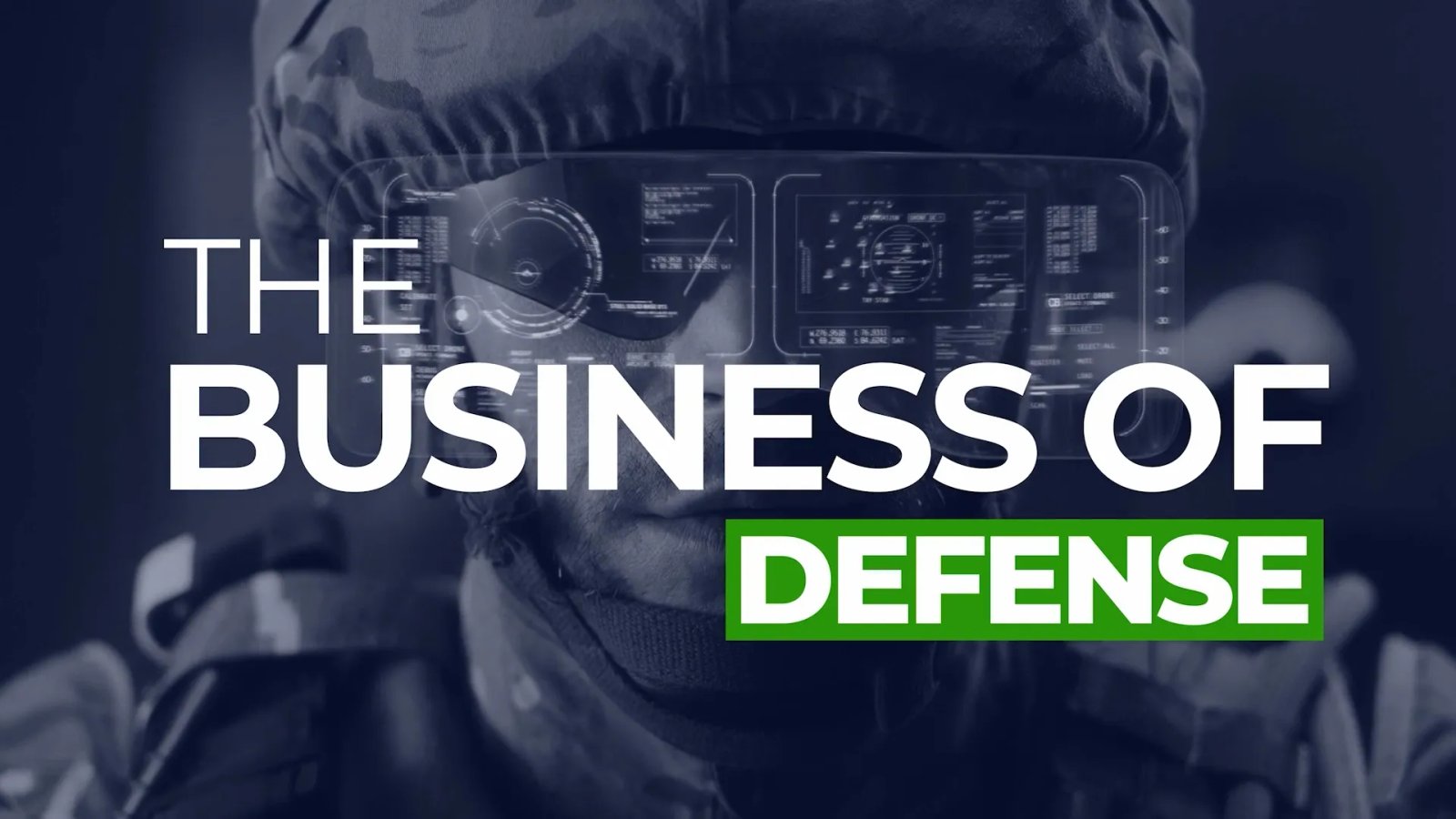
WASHINGTON — The landscape of modern warfare is shifting at an unprecedented velocity, and the annual Association of the United States Army (AUSA) exhibition in 2026 served as a vivid reflection of that volatility. As global conflicts evolve from month to month, the defense industry has pivoted away from legacy hardware toward agile, software-defined solutions. This year’s floor was dominated by a singular theme: the integration of advanced artificial intelligence and the cloud-based infrastructure required to sustain it in contested environments.
The AI-Driven Battlefield: Beyond Conventional Hardware
The most significant takeaway from AUSA 2026 was the maturation of AI-assisted decision-making tools. While previous years focused on autonomous drones, the current focus has shifted toward “cognitive dominance”—the ability to process petabytes of sensor data in real-time to offer actionable intelligence.
Major defense contractors are no longer just building tanks or aircraft; they are building data lakes. By leveraging large-scale language models and computer vision, these companies are providing commanders with “digital twins” of the battlefield. These simulations allow military leaders to stress-test tactics against AI-driven adversaries before a single soldier enters the field. The goal is clear: to shorten the “OODA loop” (Observe, Orient, Decide, Act) to a matter of seconds, giving U.S. forces a decisive edge in the fog of war.
Cloud Computing Meets the Tactical Edge
The presence of big-tech partnerships was more pronounced than ever. Google Public Sector and other cloud giants have become the backbone of the “Integrated Tactical Network.” In 2026, the military is no longer relying on isolated, proprietary hardware systems. Instead, they are pushing toward an “edge-first” strategy, where sophisticated machine learning models run locally on hardware at the front lines, rather than being tethered to high-latency remote servers.
This shift mirrors the developments in consumer tech, where on-device AI—like that found in the latest smartphones—allows for instantaneous translation, object recognition, and navigation without the need for constant connectivity. At AUSA, startups demonstrated lightweight hardware kits that can be attached to existing equipment, enabling legacy platforms to function as nodes in a highly connected, AI-mesh network. This modular approach allows for rapid updates, effectively treating defense systems like software platforms that can be patched and improved as threats evolve.
Startups and the Pace of Innovation
Perhaps the most disruptive force on the show floor came from smaller, venture-backed startups that are bypassing the traditional, decade-long procurement cycles. By developing dual-use technologies—systems that have applications in both the private sector and the defense industry—these firms are bringing the agility of Silicon Valley to the Pentagon.
These smaller creators are prioritizing interoperability. In the past, different defense platforms were often unable to share data due to proprietary “walled garden” software architectures. Now, the industry is trending toward open-source standards and API-first designs. This transition is essential for a military that needs to integrate thousands of disparate sensors and platforms into a cohesive whole.
As defense tech creators look toward the next year, the message from AUSA 2026 is one of rapid iteration. The days of monolithic, static defense programs are numbered. In their place is a modular, software-centric ecosystem where AI is not just an additive tool, but the very foundation of tactical planning. As conflict morphs, the ability to deploy code updates as quickly as munitions has become the new benchmark for defense industry success. For the military leaders, developers, and tech giants gathered in Washington, the mission is simple: innovate or be outpaced by the digital nature of 21st-century warfare.
Disclaimer: This content is auto-generated for informational purposes only.
Source: Read Original News