









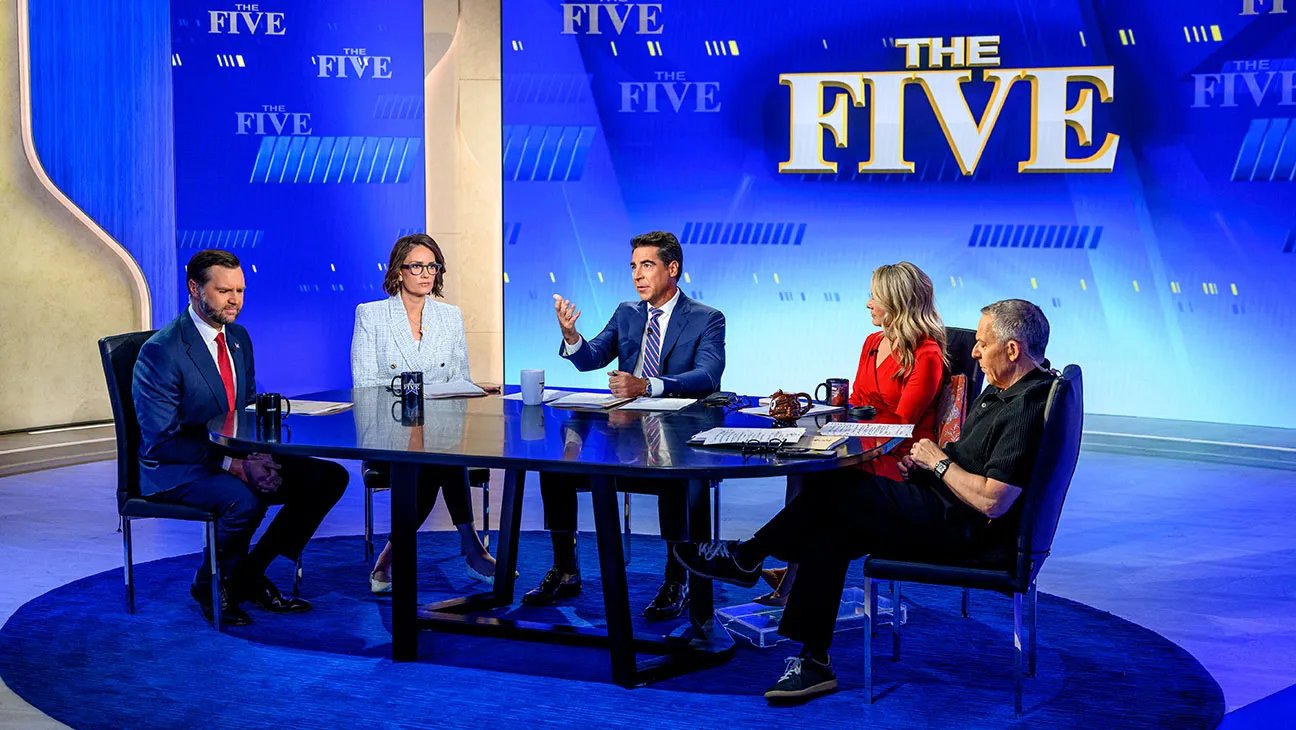
Fox Corporation CEO Lachlan Murdoch addressed the recent decline in Fox News viewership during the company’s quarterly earnings call on Monday, attributing the downturn to a phenomenon of “viewer fatigue” rather than a migration of the audience to rival networks.
While CNN and MSNBC have seen noticeable gains during the current midterm election cycle, Murdoch remained steadfast in his defense of Fox’s market position. During his remarks, he emphasized that the current dip is a cyclical trend rather than a long-term failure, drawing parallels to the political landscape of 2006.
## Explaining the “Viewer Fatigue” Narrative
Murdoch noted that the 2023 news cycle was exceptionally heavy, citing events ranging from presidential transitions to high-profile tragedies and intense coverage of government initiatives. “What we are seeing is some viewer fatigue,” Murdoch told investors, suggesting that the audience is not jumping ship to competitors but is instead opting to consume less television overall.
Despite the recent dip, Murdoch dismissed the notion that CNN or MSNBC are genuine peers to the network. He joked that the ratings gap remains so significant that comparing the two is essentially a mismatch. Instead, he argued that Fox News should be benchmarked against the four major broadcast networks, maintaining that Fox still draws more viewers than its primary cable competitors combined.
## The Ad Revenue Buffer and Tech Integration
While linear ratings have fluctuated, the company’s financial health remains buoyed by the competitive landscape of the midterm elections. Murdoch highlighted that Fox’s national networks pulled in $50 million in political advertising revenue, while local stations added an impressive $250 million.
Crucially, the company’s digital pivot—specifically through its streaming platform Tubi—contributed an additional $50 million. As the media landscape shifts, Fox is increasingly relying on the intersection of traditional broadcasting and streaming technology to weather the volatility of the news cycle. By diversifying its revenue streams through Tubi and digital advertising, the corporation is insulating its bottom line against the episodic nature of cable television viewership.
## Future-Proofing in the Age of AI and Digital Media
As the media industry grapples with the rapid integration of artificial intelligence and automated content delivery, Fox’s leadership is looking toward the upcoming 2028 election cycle as a natural reset point. Executives believe that the emergence of new political figures will naturally re-engage the base, effectively ending the current period of stagnation.
However, the challenge remains for legacy media companies to adapt to changing consumption habits in an era dominated by AI-driven recommendation engines and personalized news feeds. Tech giants like Google and Meta have transformed how users discover information, often bypassing traditional cable channels entirely. To stay relevant, Fox is likely to continue its investment in tech infrastructure and platform-agnostic content distribution.
By prioritizing its digital assets, the network aims to capture younger audiences who are increasingly moving away from traditional “appointment viewing.” Whether or not these strategies will fully counteract the cyclical “fatigue” remains to be seen, but for now, Murdoch is betting that the combination of strong ad revenue and an eventual resurgence in political interest will provide the necessary lift. As the network prepares to navigate the coming months, the focus will be on maintaining its dominant market share while simultaneously evolving its digital presence to meet the demands of a tech-savvy, on-demand audience.
Disclaimer: This content is auto-generated for informational purposes only.
Source: Read Original News