







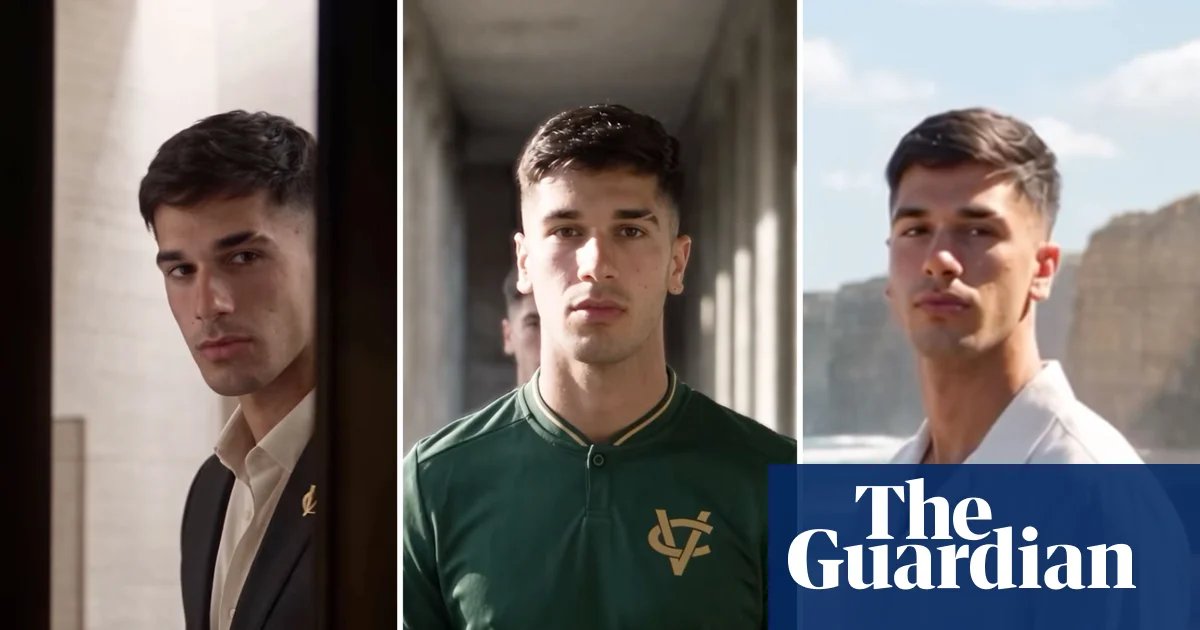
Socceroos star Cristian Volpato has stepped into a new era of sports marketing, becoming the latest professional athlete to license his “synthetic twin” for global commercial use. The 22-year-old Sassuolo midfielder has struck an exclusive deal with California-based AI licensing firm Callandor, granting the company rights to his digital likeness, voice, and biometric data.
The move comes as professional athletes increasingly take control of their digital identities to combat the rise of unauthorized AI-generated content. In a recent demo video, multiple AI-generated clones of Volpato appear in varied international settings—from the Twelve Apostles in Australia to high-fashion photo shoots—showcasing the potential for athletes to maintain a 24-7 brand presence without the physical exhaustion of traditional travel and filming.
“Cristian is constantly training,” says Callandor co-founder Michael Fisk, a former Sony Pictures and MGM executive. “A synthetic twin could be used 24-7, year-round by brands. Ultimately, the holy grail for an athlete is to have that one-on-one interaction with fans.”
Fisk envisions a future where synthetic clones provide personalized coaching via apps, giving fans real-time, AI-delivered football feedback that the real athlete would never have the time to provide.
This shift arrives as sporting leagues and players struggle to keep pace with rapid technological advancements. While the AFL recently forced Sportsbet to pull AI-generated imagery of players used without consent, the broader legal landscape remains largely undefined. Experts in intellectual property law warn that while copyright protects human authorship, AI-generated reproductions exist in a legal grey area. Currently, public figures can only seek legal recourse through “passing off” laws, which generally require proof of economic loss—a high bar in the age of viral social media deepfakes.
William Saunders, head of the Sydney-based startup Hyperknown, views these licensing deals as a necessary defensive strategy. “We’re watching a race between what technology can do and what people have actually authorised,” Saunders says. “Volpato represents the counter-move: people establishing their rights before others start making decisions about their identities.”
The trend is gaining momentum globally. Earlier this year, Brazilian superstar Neymar licensed his likeness for World Cup-related content, and recent campaigns by Australian cricketer Travis Head have playfully leaned into the “clone” narrative.
However, the industry faces significant hurdles. While proponents like Fisk argue that licensed AI will create new, lucrative revenue streams for players to appear in multiple languages and markets simultaneously, there is no guarantee that brands will value a digital twin as highly as the physical athlete.
As the line between real and synthetic continues to blur, the race for control over “digital twins” is set to become one of the most critical legal and commercial battles in the future of global sports.
Disclaimer: This content is auto-generated for informational purposes only.
Source: Read Original News