







The current technology landscape is evolving at a rapid pace, with hardware manufacturers releasing high-performance devices at an unprecedented frequency. As the industry pushes toward specialized artificial intelligence hardware, foldable form factors, and refined electric mobility, keeping track of the latest developments is essential. Recent evaluations from the field cover a wide range of products, from personal communication tools and high-fidelity audio equipment to specialized creative workstations.
Apple iPhone Duo
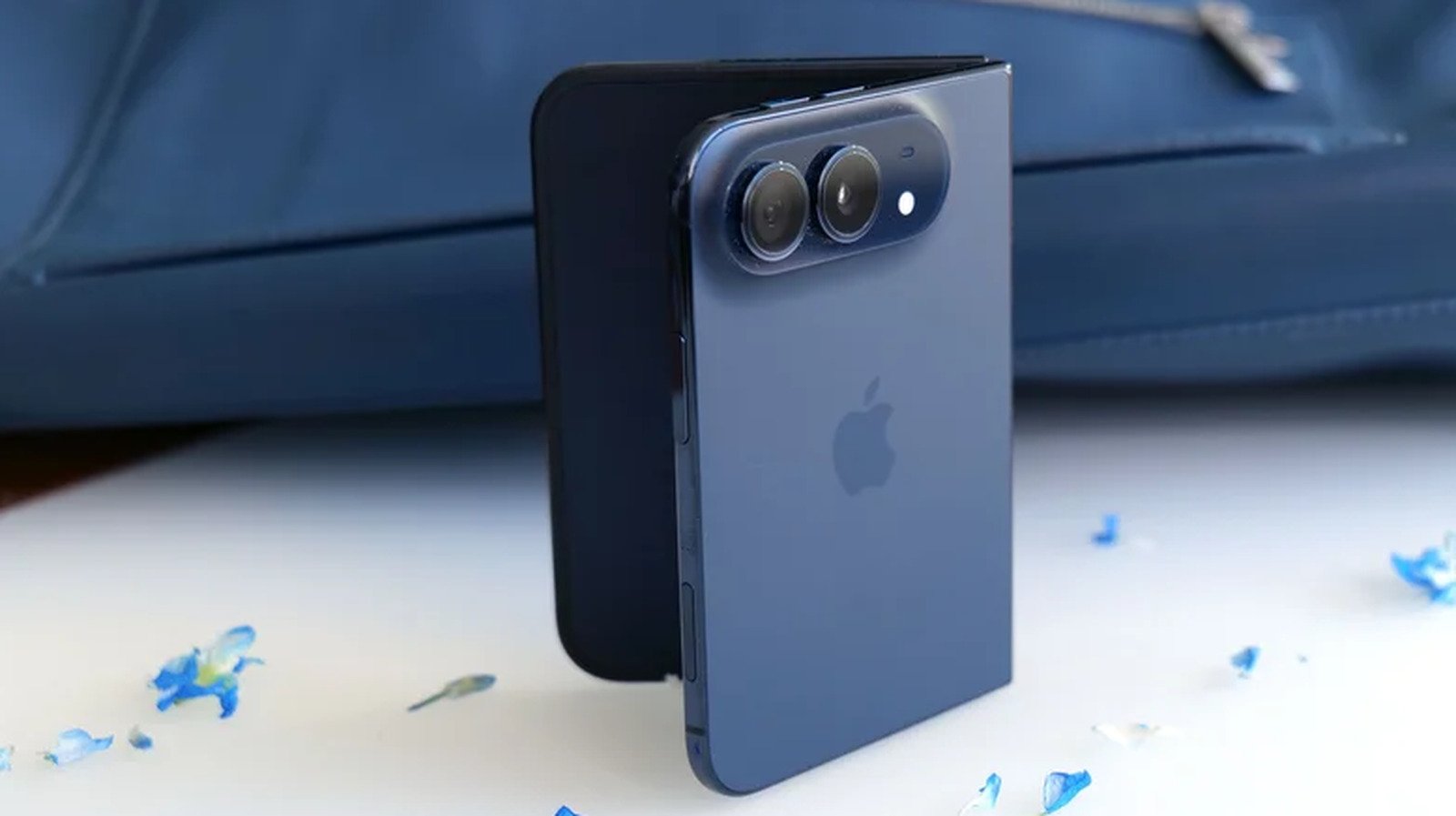
The iPhone Duo represents a significant milestone for Apple as it enters the folding smartphone market. Unlike many initial entries in this product category, which are often hindered by hardware compromises or software instability, the iPhone Duo benefits from the company’s ability to observe existing market solutions. By studying the successes and failures of competing foldable devices, Apple has managed to deliver a product that feels remarkably mature.
The device features an expansive interior display, though it currently faces the common challenge of app optimization. While many standard applications have yet to scale correctly to the unique aspect ratio of the inner panel, the underlying hardware demonstrates substantial engineering stability. It is a heavy and premium-priced unit, making it an investment piece for power users rather than a general-market device, yet it remains one of the most significant mobile releases of the year.
2027 Rivian R2
Rivian continues to refine its position in the electric vehicle market with the introduction of the R2, a mid-sized SUV designed to provide high-end performance at a more accessible entry point. The vehicle successfully balances cabin space, power output, and battery range without compromising the aesthetic and technical standards found in the manufacturer’s larger models.
The R2 serves as an example of efficient design for modern families. It bridges the gap between luxury electric platforms and everyday utility vehicles. While early testing suggests that some software fine-tuning remains before the base model reaches mass distribution next year, the current iteration provides a compelling reason for owners of gas-powered SUVs to consider transitioning to electric power. Its interior design effectively maximizes utility, confirming that reduced dimensions do not necessitate a reduction in technological sophistication.
Ray-Ban Meta Audio Glasses
The category of wearable technology has shifted toward more discreet integration with the launch of the Ray-Ban Meta Audio glasses. By removing the camera hardware found in previous smart glasses, this iteration prioritizes comfort and everyday usability. The glasses function primarily as a high-quality audio interface, allowing users to listen to music or take calls via integrated open-ear speakers without the visual weight or social implications of onboard recording systems.
The result is a piece of hardware that maintains a traditional appearance, effectively blending into daily life. Because the device lacks power-hungry camera sensors, it also benefits from significantly improved battery longevity compared to its predecessor. For users seeking a seamless audio experience that does not interfere with situational awareness, these glasses provide a pragmatic alternative to bulky wireless earbuds.
Technics EAH-A1000
Technics has further expanded its audio portfolio with the EAH-A1000 over-ear headphones, which incorporate the brand’s proprietary magnetic fluid driver technology. This architecture is designed to deliver superior frequency response and clarity, building upon the success of the company’s previous true wireless earbuds. The headphones offer a high level of comfort for extended listening sessions, supported by a robust design and effective active noise cancellation.
Despite the high-quality acoustic performance, the product enters a competitive market with a retail price of $450. While the sound engineering is technically proficient, some of the auxiliary features have shown inconsistent performance in real-world environments. For audiophiles who prioritize sound reproduction above all other criteria, the EAH-A1000 remains a significant contender, though the inconsistency of certain integrated functions necessitates careful consideration by potential buyers.
ASUS ProArt P16
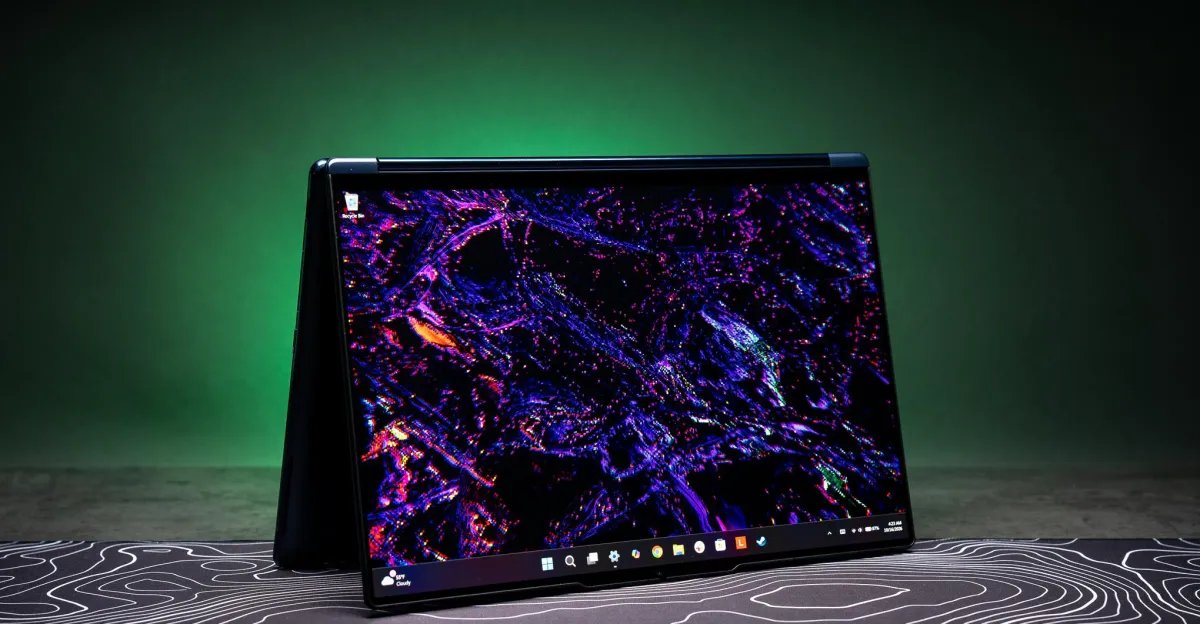
The ASUS ProArt P16 marks one of the first implementations of NVIDIA’s RTX Spark architecture within a mobile workstation. This laptop is purpose-built for the demands of high-level AI development and intensive computation. In testing, the machine demonstrates exceptional power, proving capable of handling tasks that would normally require a stationary desktop system.
However, the hardware is highly specialized. The inclusion of the RTX Spark platform significantly inflates the price and targets a narrow demographic of developers rather than the average consumer or gaming enthusiast. While the ProArt P16 is an impressive engineering feat, it is recommended that general users wait for the broader adoption of the RTX Spark ecosystem. A period of twelve months will likely allow for better software support and broader application, making the technology more viable for a wider range of professional creative workflows.
Disclaimer: This content is auto-generated for informational purposes only.
Source: Read Original News