








The Joy and Peril of the Weekend Project
We have all been there. You are staring at a blank wall or a pile of unassembled particle board, armed with nothing but a screwdriver and a dangerous amount of optimism. The internal monologue is almost always the same: “How hard can it be?” It is a question that has sparked thousands of home improvement journeys, many of which end not in a magazine-worthy room transformation, but in a frantic search for a professional to clean up the mess.
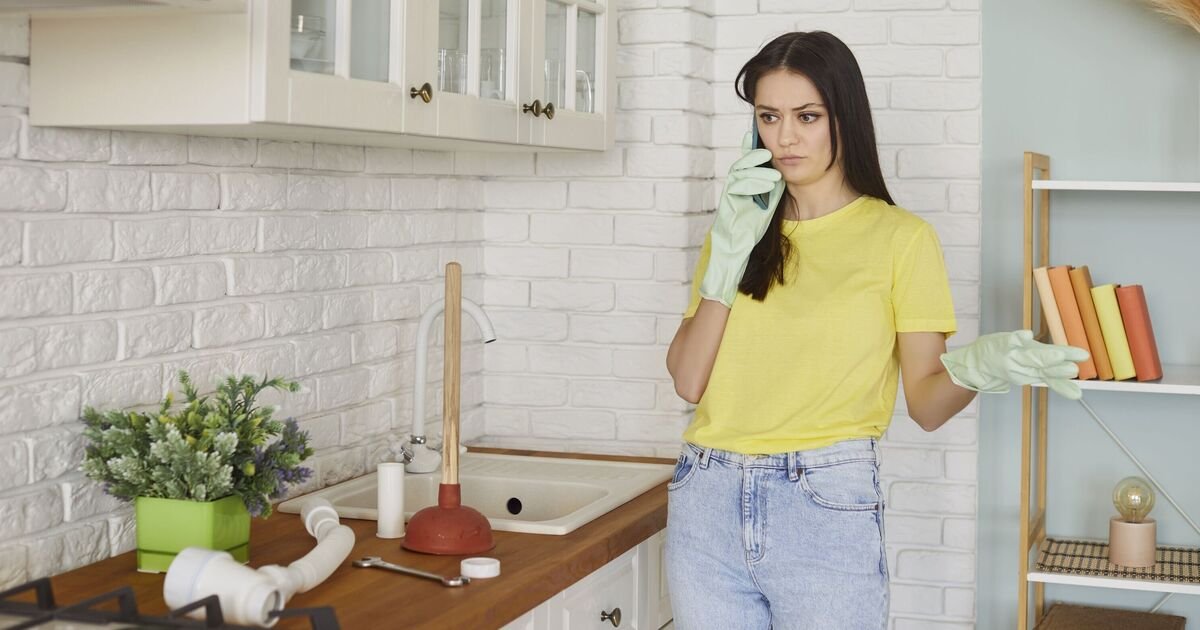
New data suggests that this “DIY spirit” is costing British households quite a bit of money. In fact, nearly half of us have had to call in a professional to fix a project that went south. When you account for the extra materials, the wasted time, and the inevitable cost of hiring someone to undo your handywork, the average repair bill for a botched project sits around £249. It turns out that sometimes, the most expensive way to do a job is to try to do it yourself.
Know Your Limits Before You Pick Up the Drill
There is a distinct difference between light tasks and structural repairs. Most of us feel comfortable tackling minor updates like hanging a gallery wall, swapping out a loose door handle, or giving a room a fresh coat of paint. These tasks are the sweet spot for amateur renovators; they provide a sense of accomplishment without risking the integrity of your home.
However, the trouble starts when we venture into the territory of complex systems. Electrical wiring, boiler maintenance, and central heating repairs are not just difficult—they are hazardous. The survey highlights that while most people are smart enough to leave these technical jobs to those with certifications, there is still a significant number of people who believe they can “figure it out.” If you find yourself watching a tutorial at 2:00 AM while staring at a live wire, that is your cue to step away and put down the tools.
The Mystery of the Extra Screw
Flat-pack furniture is perhaps the most notorious culprit of household frustration. We have all experienced that moment of panic when you finish a dresser or a bookshelf, only to find three screws and a strange metal bracket sitting on the floor. It is a common DIY disaster that leaves even the most patient person questioning their spatial reasoning.
Beyond the mystery screws, common errors include drilling holes that serve no purpose or measuring furniture incorrectly, only to realize the item you just built will never fit through the doorway. When you are halfway through a build and things start looking a bit wonky, the best strategy is to take a break. Walk away, make a cup of tea, and look at the project with fresh eyes. Often, the solution is hidden in the instructions you skipped over because you were too excited to start.
Protecting Your Sanity and Your Home
One of the most overlooked costs of a failed home project is the toll it takes on your relationships. It is well-documented that DIY tasks are a frequent source of tension between partners. If you find your voice rising while trying to align a piece of cabinetry, it is time to pivot. Pushing through a renovation when you are frustrated usually leads to sloppy mistakes and, more importantly, a ruined weekend.
Instead of turning a simple repair into a test of character, consider the “DDIY” approach: Don’t Do It Yourself—if you are not equipped for it. There is no shame in acknowledging that your talents lie elsewhere. By hiring a professional for the complex jobs, you are not just paying for their time; you are paying for the peace of mind that comes with knowing the job is done safely and correctly.
When to Put the Kettle On
The ultimate goal of any home improvement project should be to make your living space more comfortable and enjoyable. If your current project is causing stress, leaking paint, or resulting in a house that feels like a giant puzzle with missing pieces, it is time to reassess.
Before starting your next project, take a moment to evaluate the scope of the work. If it involves gas, electricity, or moving walls, leave the heavy lifting to the experts. Save your energy for the things you truly enjoy, like styling your space or picking out the perfect rug. Sometimes, the most productive move you can make is to put the kettle on, sit back, and let a specialist take over. Your home, your wallet, and your weekend will thank you.
Disclaimer: This content is auto-generated for informational purposes only.
Source: Read Original News