








Why Listening to Your Body Matters More Than Your Routine
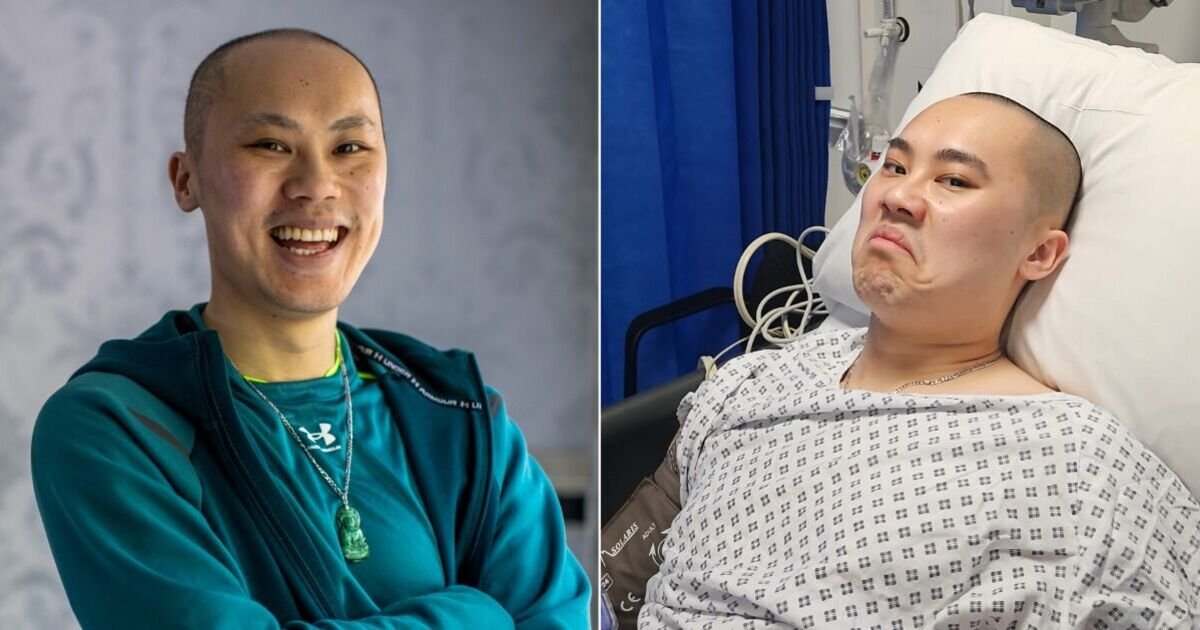
We live in an age where wellness is often measured by the number of gym sessions we clock or the specific supplements we track. It is easy to fall into the trap of thinking that because we are active, we are invincible. However, the story of Marco Choi, a young man who faced an aggressive battle with blood cancer, serves as a sobering reminder that our bodies speak to us in ways that transcend fitness goals. When Marco first experienced headaches, muscle aches, and cold sweats, he did exactly what many of us would do: he chalked it up to his intense gym routine and the supplements he was taking.
It is a natural reaction to rationalize discomfort. We tell ourselves we pushed too hard during a workout, or that we simply need more sleep or a better diet. But there is a fine line between muscle fatigue and something more serious. If you find yourself consistently feeling off—even if you think your lifestyle explains it away—it is time to pause and pay closer attention. Wellness is not just about performance; it is about recognizing when the usual rhythms of your health have shifted into something unfamiliar.
The Danger of Dismissing Persistent Symptoms
The most challenging part of health management is knowing when to stop self-diagnosing. Marco’s situation took a sharp turn when he collapsed at work, leading to a diagnosis that felt surreal. His journey through lymphoma was anything but standard, especially since the condition is often associated with older age groups. The lesson here is clear: illness does not check your ID. It does not care that you are young, fit, or active.
If you are experiencing symptoms that do not improve after a few days of rest—persistent headaches, unexplained exhaustion, or physical signs that seem out of place—do not wait for a collapse to seek help. We often pride ourselves on being tough, but there is no strength in ignoring what your body is trying to communicate. A quick check-up is a small price to pay for peace of mind, and it is always better to be told that you are perfectly healthy than to overlook a warning sign.
Breaking the Stereotype of Who Gets Sick
One of the most powerful parts of Marco’s story is his observation regarding the lack of diversity in medical literature. When he looked at the resources provided to him, he saw faces and demographics that did not look like his. This is a common issue in health advocacy: we tend to visualize certain illnesses as “belonging” to specific age groups or backgrounds. This mental shortcut can be dangerous because it creates a false sense of security for anyone who does not fit that narrow mold.
Whether you are in your twenties, sixties, or anywhere in between, health is a universal concern. We need to normalize the conversation around cancer and other serious illnesses regardless of age or cultural background. By sharing his experience, Marco is helping to dismantle the idea that blood cancer is an “old person’s disease.” Representation in health matters because it encourages everyone to take their symptoms seriously, rather than assuming they are an anomaly.
Focusing on Quality of Life and Resilience
Going through multiple rounds of chemotherapy, radiotherapy, and a stem cell transplant is an immense test of character. Yet, Marco’s focus on his recovery and his desire to return to his life highlights the power of resilience. When we talk about wellness, we often focus on the vanity side—the muscles, the skin, the energy levels. But true wellness includes the mental fortitude to keep moving forward after receiving difficult news.
If you are currently navigating a health challenge, remember that your identity is not your diagnosis. It is about how you process the journey and how you choose to show up for yourself. For Marco, the goal was simply to be himself again. That is a sentiment we can all relate to, even when we are dealing with much smaller setbacks. Finding joy in the “boring” parts of everyday life after surviving something traumatic is a victory in itself.
How to Advocate for Your Own Health
The ultimate takeaway from this story is to become a better advocate for your own well-being. This means keeping track of your symptoms, being honest with your doctor, and trusting your gut when something feels wrong. If you feel like your medical provider is not hearing you, or if your symptoms are being dismissed because of your age or fitness level, do not be afraid to ask for a second opinion or for more comprehensive testing.
Your health is the foundation upon which your entire life is built. Investing in it means more than just buying the latest protein powder or following a strict training program. It means acknowledging that you are a complex human being, not just a set of stats. Stay active, stay curious, and most importantly, stay vigilant. Your body is the only place you have to live—make sure you are listening to what it tells you.
Disclaimer: This content is auto-generated for informational purposes only.
Source: Read Original News