









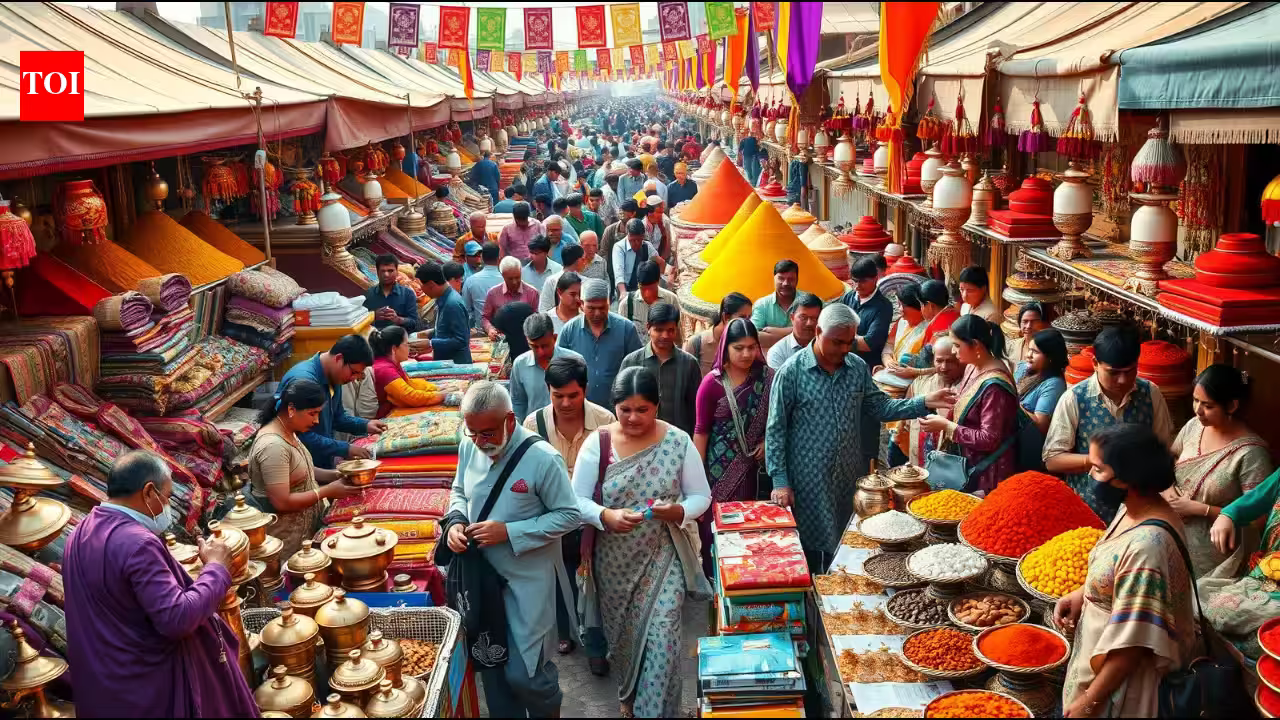
Strategic Navigation of Commodity Inflation in the Indian Festive Market
As the Indian consumer goods sector approaches the critical festive season, the corporate landscape is characterized by a delicate balancing act. Companies are grappling with persistent commodity inflation while simultaneously attempting to stimulate volume growth in a market that remains sensitive to pricing. With essential commodities—ranging from copper and crude oil to agricultural staples like sugar—experiencing significant volatility, business leaders are pivoting toward sophisticated cost-management strategies that prioritize operational efficiency over indiscriminate price hikes.
The festive period, traditionally the strongest quarter for retail, electronics, and fast-moving consumer goods (FMCG), is undergoing a strategic recalibration. Executives are acutely aware that the mass-market segment is already burdened by previous price increases. Consequently, passing the full extent of rising input costs to the consumer is viewed as a high-risk strategy that could stifle demand. Instead, the current corporate consensus focuses on a multi-pronged approach: optimizing production through localisation, stripping away non-essential features, and absorbing portions of the cost burden to maintain market share.
The Mechanics of Cost Rationalization and Product Engineering
Faced with a landscape where commodity prices have become unpredictable, leading firms are re-engineering their product development processes. The concept of “value engineering” has moved to the forefront of corporate planning. This involves a rigorous assessment of product portfolios to identify features that consumers may not prioritize, thereby allowing for the removal of certain components to reduce the overall bill of materials.
This shift is particularly evident in the consumer durables and electronics space. Manufacturers are increasingly looking at material substitution, such as opting for aluminium over copper where structural integrity allows, to mitigate the impact of record-high metal prices. Furthermore, firms are deepening their commitment to local sourcing. By reducing reliance on imported components and logistics, companies not only insulate themselves from shipping disruptions and currency volatility but also benefit from lower transportation costs. This transition toward localisation serves as a hedge against global supply chain fragmentation, ensuring that festive inventory remains available despite the broader challenges in international freight and logistics.
Macroeconomic Hurdles and the Rural Consumption Pattern
The Indian market is currently navigating a complex macroeconomic environment. While premiumisation remains a robust engine of growth, the broader mass-market sector faces structural challenges. Deficient monsoons in certain regions have introduced a level of unevenness into rural consumption patterns, which serves as a cautionary signal for companies heavily dependent on volume growth.
Retail industry observers note that while input costs have surged significantly—estimated at a 20% increase across various segments since the onset of geopolitical tensions—retailers and brands have collectively absorbed approximately half of these costs. This demonstrates a clear preference for protecting margins through internal productivity gains rather than aggressive retail pricing. The underlying philosophy is that during the festive window, maintaining consumer engagement is paramount. By keeping prices stable at the entry-level tier, firms hope to retain the loyalty of price-sensitive customers, even as they push premium products to higher-income demographics to offset the margin squeeze.
Supply Chain Volatility and Strategic Inventory Management
The operational reality for modern Indian enterprises includes not just price volatility but also significant logistical uncertainty. Availability has become as pressing a concern as cost. The scarcity of shipping containers and intermittent supply disruptions have forced companies to move away from “just-in-time” inventory models toward a more proactive, buffered approach.
Large-scale brands are now engaging in opportunistic sourcing, where procurement teams purchase commodities during temporary price dips to ensure consistent manufacturing capacity for the festive season. However, this strategy is hampered by the rapid shifts in sentiment-driven pricing. As noted by industry leaders in the food and confectionery space, the speed at which commodity quotes change—often on a fortnightly basis—makes long-term forecasting exceptionally difficult. To combat this, companies are fostering tighter integration with their supplier base, sharing risk through long-term contracts and enhanced forecasting transparency, which helps to stabilize input costs despite the fluctuating global markets.
Leveraging Premiumisation to Sustain Growth
Despite the prevailing headwinds, the target for the festive season remains ambitious. Many companies are not slashing their growth targets; instead, they are shifting their product mix to favour premium categories. The consumer appetite for product upgrades remains strong, and firms are effectively channeling marketing efforts toward high-value appliances, smart electronics, and premium food segments.
This focus on premiumisation serves a dual purpose. Firstly, premium products typically carry higher margins, providing a cushion that allows firms to absorb costs in the mass-market tier. Secondly, it aligns with the evolving aspirations of the Indian middle class, which continues to show resilience despite inflation. By offering enhanced value through superior technology or lifestyle-oriented features, brands can justify the price points required to maintain profitability. Companies like Godrej Appliances and other major durable players are signaling that product upgrades will be the primary driver of their festive success, as they seek to capitalize on the desire for modern, efficient, and technologically advanced home equipment.
Future Outlook and the Long-term Business Mandate
Looking ahead, the strategies adopted during this festive season are likely to define the operational structure of Indian companies for the coming years. The transition toward a more agile, cost-conscious, and locally integrated manufacturing model is not merely a reaction to current inflation; it represents a fundamental change in how businesses plan for growth in a volatile global economy.
The success of these initiatives will depend on the ability of management teams to maintain a balance between operational austerity and innovation. As the festive window extends—aided by the shift in the calendar and a prolonged period of increased spending—the ability to pivot based on real-time market data will be the ultimate competitive advantage. Companies that succeed will be those that have effectively institutionalized productivity as a core capability, ensuring that their growth is sustainable and that their pricing remains attractive to the diverse demographic segments that define the Indian consumer story. The focus remains on steady navigation: sacrificing short-term margin peaks to secure long-term market dominance, while simultaneously insulating the consumer from the most volatile extremes of the global commodity cycle.
Disclaimer: This content is auto-generated for informational purposes only.
Source: Read Original News