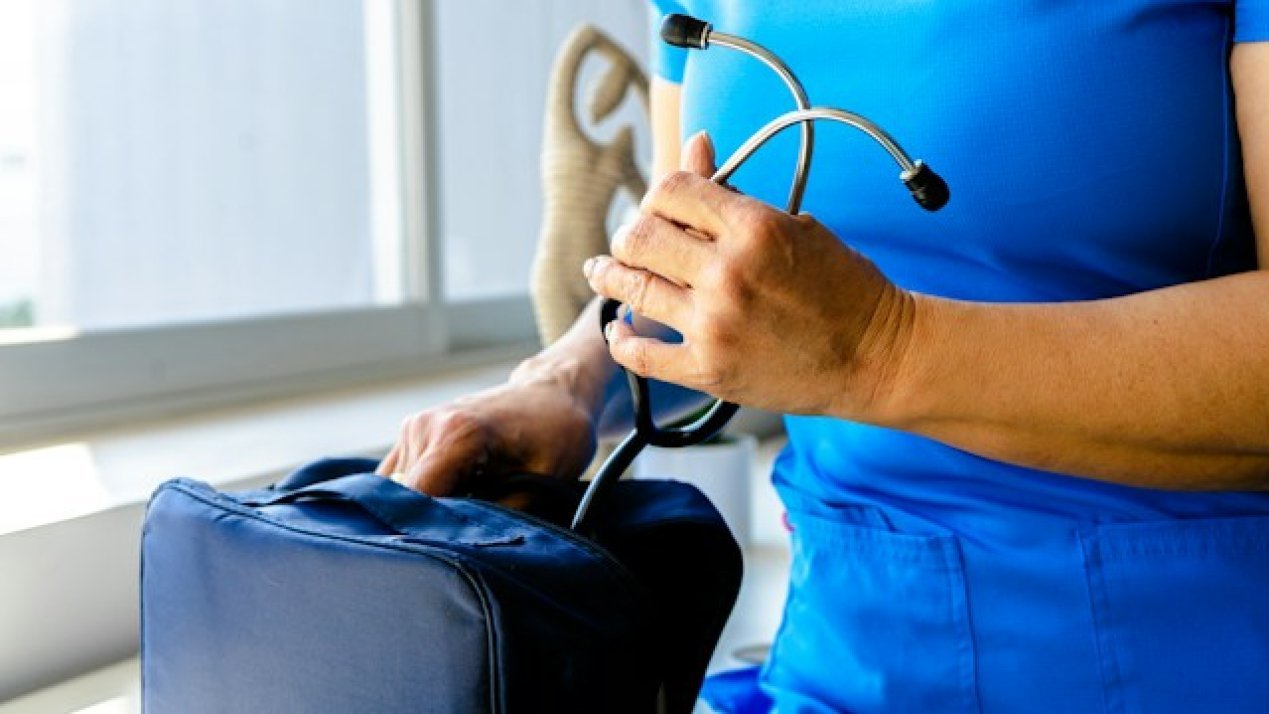








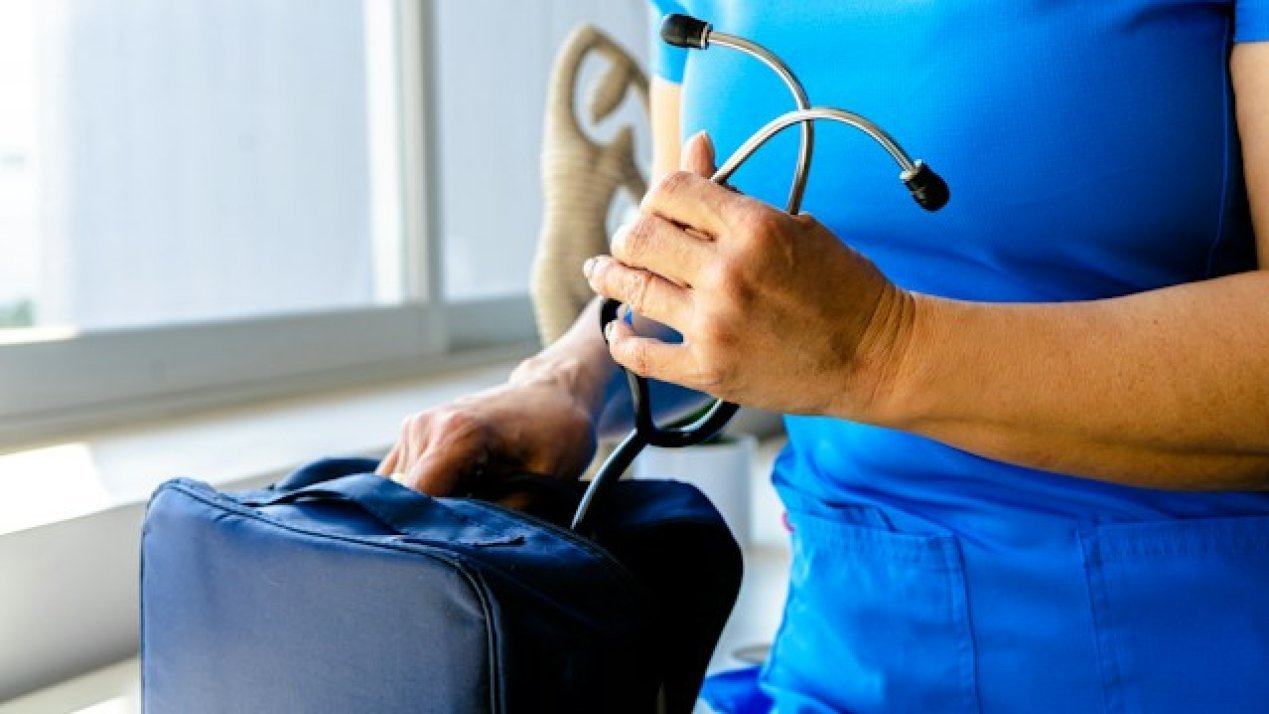
Hospital Juárez de México (HJM) is spearheading a transformative shift in the national healthcare landscape by significantly expanding the clinical authority of its nursing staff. New data from the Ministry of Health indicates that specialized nurse-led interventions are cutting recovery times for complex wound patients by as much as 33%, marking a major milestone in efforts to optimize hospital efficiency and patient outcomes.
The initiative is part of a broader government strategy to integrate advanced nursing practices into the core of public health, moving beyond traditional support roles to include complex diagnostics, technology-driven treatments, and decision-making.
Empowering Nurses through Specialized Care
At the heart of HJM’s success is its dedicated Wound and Ostomy Clinic. Operating for nearly a decade, the unit manages approximately 1,300 procedures monthly, addressing a wide spectrum of chronic conditions including diabetic foot ulcers, pressure injuries, and surgical complications. By delegating initial assessments and follow-up care to highly trained nurses, the institution has streamlined patient care, allowing those suffering from chronic wounds to return to their normal lives significantly faster.
The impact extends well beyond wound care. Nursing staff are now pivotal in the hospital’s Catheter Clinic, where they performed over 25% of the 2,525 central venous access procedures in the first half of 2026. Leveraging ultrasound and advanced tip-location technology, nurses are reducing the burden on physicians while ensuring that high-tech interventions remain accessible on an outpatient basis. Furthermore, since March 2025, nurses have been the primary operators of the hospital’s obstetric triage system, assessing thousands of patients and prioritizing care based on real-time risk severity.
Integrating Tech and Data-Driven Protocols
This operational evolution is occurring in parallel with the Mexican government’s aggressive digitization of the public health sector. As public institutions transition toward more sophisticated health ecosystems, HJM has implemented a new vital signs module in its outpatient area. This system allows nursing staff to instantly input physiological data—such as blood pressure, pulse, and glucose levels—directly into a digital record that physicians can monitor in real-time.
This technical integration supports the government’s recent mandate requiring public health institutions to adopt new cardio-renal-metabolic (PRONAM) protocols. With these mandatory guidelines covering chronic kidney disease, hypertension, and diabetes, the role of nurses in specialized care—such as managing peritoneal dialysis—is expected to become a standardized model across the federal health system. By linking clinical roles with integrated digital health records, the Ministry of Health aims to address the 80% of the national disease burden currently tied to non-communicable conditions.
Addressing Systemic Challenges
While the clinical results are promising, the long-term success of this model depends on human capital. The government’s massive MX$181 billion (US$10.35 billion) hospital expansion project, which seeks to add over 9,100 beds by 2030, has raised questions regarding staffing capabilities.
To bridge this gap, the Ministry of Health has launched a national recruitment drive that specifically calls upon the expertise of experienced practitioners. As the November deadline approaches for public hospitals to submit their implementation plans for the new mandatory care protocols, the success of the Hospital Juárez model will serve as a blueprint. By combining human expertise with modern diagnostic technology and digital efficiency, Mexico is positioning its nursing workforce at the forefront of a more resilient, technology-enabled public health network.
Disclaimer: This content is auto-generated for informational purposes only.
Source: Read Original News