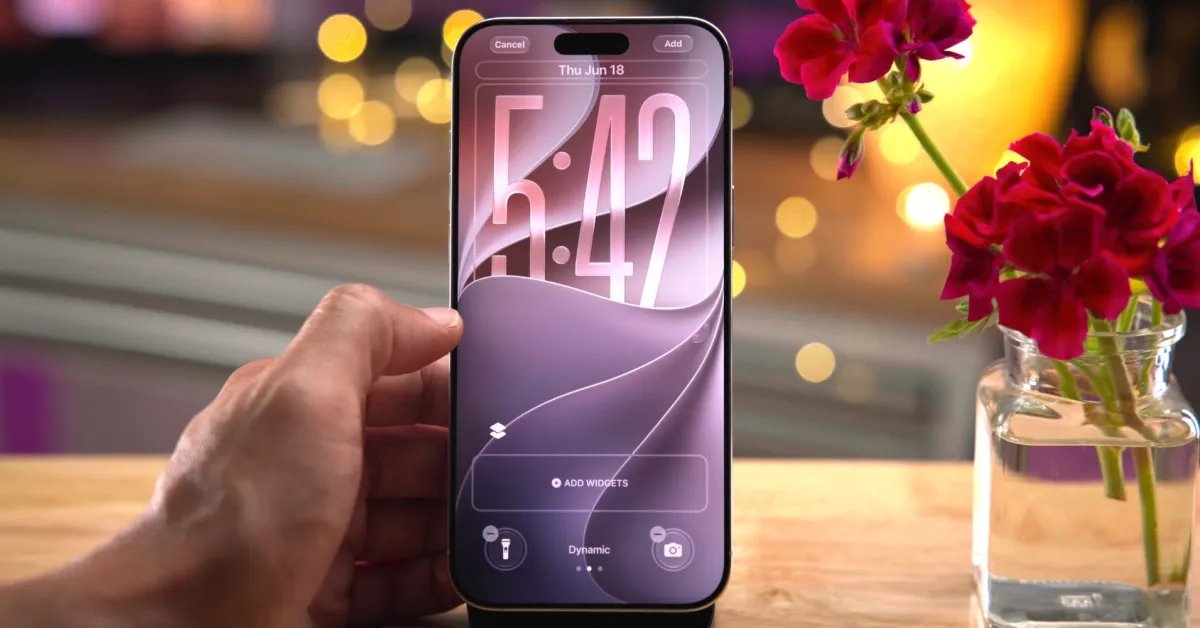








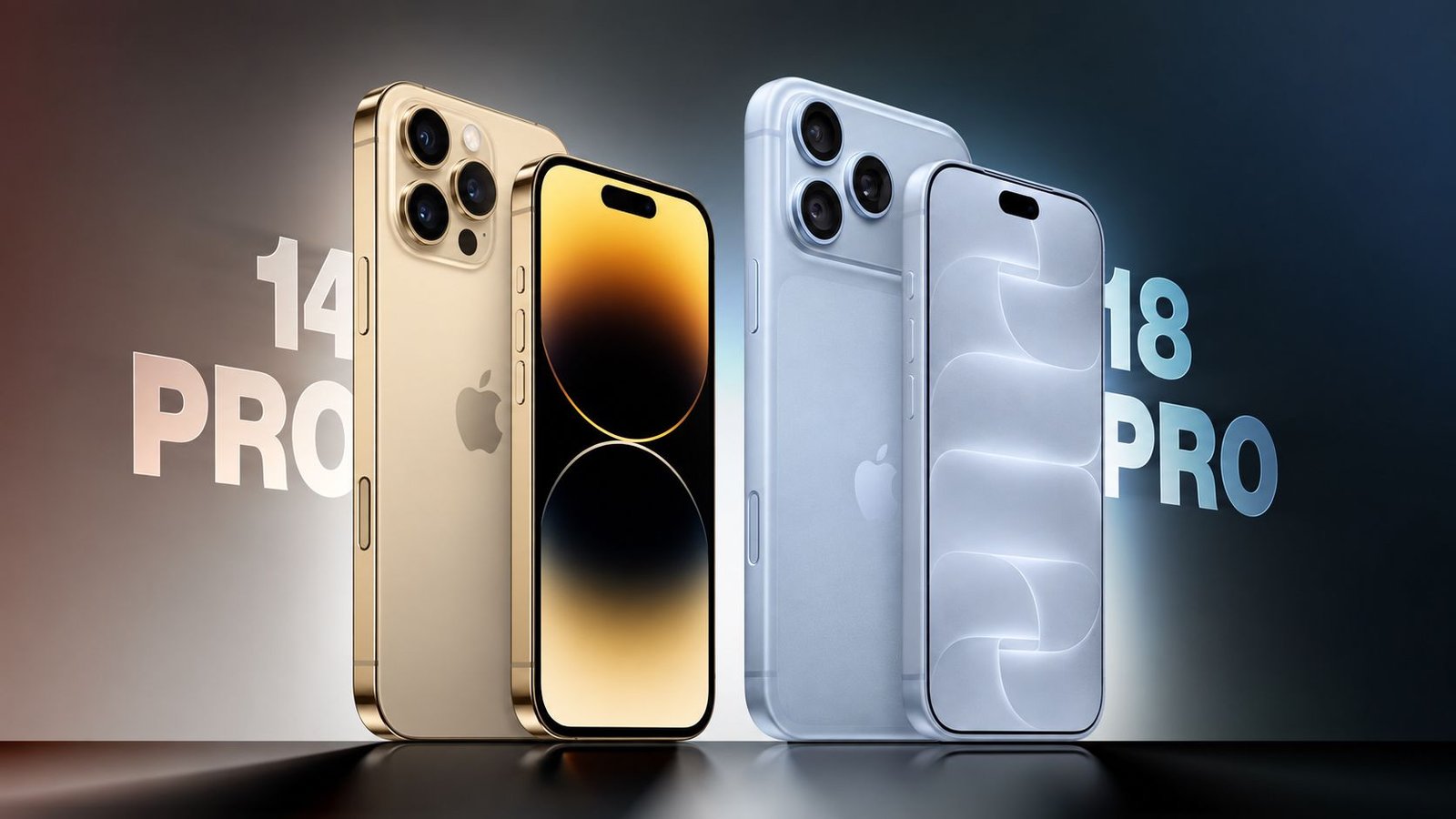
The launch of the iPhone 18 Pro and iPhone 18 Pro Max marks a significant milestone in mobile hardware development, representing four years of iterative refinement since the debut of the iPhone 14 Pro series. This multi-generational leap introduces fundamental changes to the chassis architecture, silicon performance, and optical capabilities, effectively shifting the device from a smartphone to a sophisticated mobile studio and artificial intelligence terminal.
Architectural Shifts and Display Enhancements
The transition from the iPhone 14 Pro to the iPhone 18 Pro reflects a complete overhaul of industrial design. Gone is the stainless steel frame, replaced by an aluminum unibody construction designed to improve thermal dissipation. This material change, combined with a internal redesign, accommodates larger displays—moving to 6.3 inches for the Pro and 6.9 inches for the Pro Max.
Beyond size, the display technology has matured significantly. The iPhone 18 Pro series features a peak brightness of 3,000 nits, a substantial increase over the 2,000 nits found on the 14 Pro. Furthermore, the inclusion of an Apple-designed anti-reflective coating and a minimum brightness of 1 nit makes the display more legible in high-glare environments while remaining comfortable in dark conditions. The Dynamic Island has also been refined, now supporting up to three simultaneous Live Activities, offering users more granular control over background tasks.
Computational Power and Apple Intelligence
At the heart of the latest upgrade is the A20 Pro chip, manufactured using a 2nm process. This chip brings profound efficiency and raw power gains, supported by a jump from 6GB of RAM to 12GB. This doubling of memory bandwidth is critical, as it provides the necessary overhead for on-device AI processing.
The iPhone 18 Pro is specifically built to run Apple Intelligence, Siri AI, and the new Visual Intelligence features—capabilities that remain completely inaccessible to the iPhone 14 Pro. For users with heavy workflows, the integration of a vapor chamber cooling system and the specialized placement of memory alongside the silicon die ensures that the device can sustain high-performance workloads, such as gaming or 4K video rendering, without aggressive thermal throttling.
Evolution of the Optical Array
The camera system has seen the most dramatic evolution. The 14 Pro’s fixed-aperture lens is replaced by a variable aperture system on the Main camera, utilizing six laser-cut blades to toggle between four distinct aperture settings. This allows for greater creative control over depth of field and exposure in varying light conditions.
The telephoto and ultra-wide cameras have also transitioned to 48-megapixel sensors, enabling 4x optical zoom and an 8x optical-quality mode. For videographers, the shift to USB-C 3.0 allows for direct-to-external-drive recording, bypassing the storage limitations of internal flash memory. Professional-grade features such as Apple Log 2, ProRes RAW, and Genlock support indicate that the device is increasingly targeting production environments, moving far beyond the baseline 4K capabilities of the 14 Pro.
Connectivity and Power Management
The migration from Lightning to USB-C represents a major quality-of-life upgrade, providing 10Gb/s transfer speeds and compatibility with standard modern peripherals. Connectivity is further bolstered by the move to the Apple N1 chip, which handles Wi-Fi 7, Bluetooth 6, and Thread protocol operations.
Battery life remains the most practical metric for everyday users. The combination of the 2nm A20 Pro chip and increased battery capacity translates to a significant jump in endurance, with the iPhone 18 Pro Max now rated for up to 45 hours of video playback. Charging speeds have been equally addressed, with the ability to reach a 50% charge in approximately 15 minutes, provided the user employs a 60W or higher power adapter. The inclusion of more granular charge limiting—allowing users to cap charging at 5% increments—is a welcome addition for those looking to maximize the longevity of their hardware over several years.
Summary for Upgraders
For owners of the iPhone 14 Pro, the upgrade to the 18 Pro is comprehensive. While the 14 Pro remains functional for standard tasks like messaging and browsing, the 18 Pro introduces a new standard of utility. The combination of the Action button, the Camera Control interface, the versatility of the variable-aperture lens, and the hardware-level support for artificial intelligence creates a user experience that is fundamentally different from that of a four-year-old device. Although the 17 Pro remains a viable secondary choice for those seeking a more modest upgrade path, the iPhone 18 Pro series represents the most complete, future-proof iteration of the platform to date.
Disclaimer: This content is auto-generated for informational purposes only.
Source: Read Original News