








Natural Diamond Prices Hit Two-Decade Low: What This Means for India’s Gem Hub
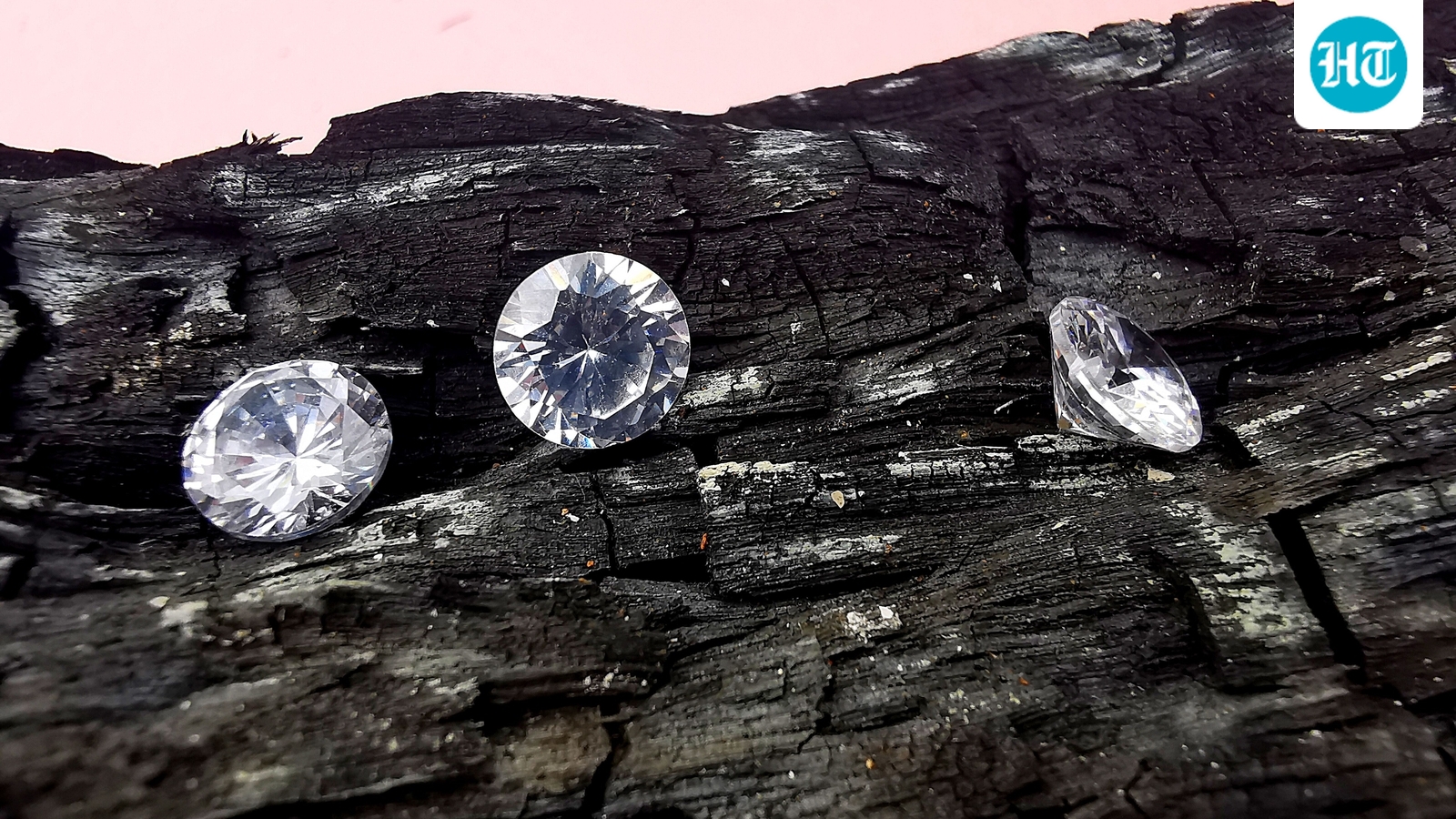
The global diamond trade is currently navigating its most turbulent period in over twenty years, as wholesale prices for natural stones have plummeted to levels not seen since the early 2000s. Market data indicates that prices have shed between 30% and 40% of their value compared to the market highs recorded in 2021. This sharp correction is forcing a significant re-evaluation of the industry, particularly within India, which serves as the world’s primary gateway for diamond processing.
A Perfect Storm of Market Headwinds
The downward trajectory of diamond prices is the result of a complex interplay between shifting consumer preferences, economic uncertainty, and a structural transformation in how diamonds are sourced and valued. Major players, including industry giant De Beers, have pointed to a challenging macroeconomic environment. Global geopolitical tensions and fragile consumer sentiment have curtailed luxury spending, leading to a noticeable softening in demand across key international markets.
While the US market has shown pockets of resilience—particularly among independent retailers—demand in mainland China has remained tepid. Simultaneously, producers have grappled with an accumulation of inventory. Recent fiscal reports from De Beers highlighted a stark disconnect: production volumes rose by 46% to 14.9 million carats in the first half of 2026, yet total revenue retreated to $1.6 billion, down from $2 billion the previous year. This discrepancy, coupled with a 32% drop in the average price realized per carat, underscores the intense pressure currently weighing on the mining sector.
The Lab-Grown Revolution
Perhaps the most significant disruptor in the market is the ascendancy of lab-grown diamonds (LGDs). These stones, which possess identical chemical and physical properties to their mined counterparts, have become a formidable competitor, especially for smaller, lower-quality natural diamonds.
As production methods have advanced, the market has seen a massive surge in the availability of synthetic stones. This supply glut has sent prices for lab-grown varieties into a tailspin, with wholesale values for one- and two-carat stones dropping by as much as 96% since 2018. As the price gap between natural and lab-grown stones widens, a significant segment of budget-conscious consumers has migrated toward the more affordable synthetic options, further cannibalizing the market for lower-tier natural diamonds.
The Impact on India’s Polishing Hub
For India, which manages approximately 90% of the world’s diamond cutting and polishing, these global shifts have immediate and painful consequences. The industry, anchored largely in hubs like Surat, is currently facing a sobering reality. According to figures from the Gem and Jewellery Export Promotion Council, India’s export of cut and polished diamonds dipped 8.5% to $12.16 billion in FY2025-26, marking the lowest valuation in over twenty years.
The decline is particularly visible in trade with the United States, India’s largest market for finished jewelry, where shipments plummeted by 45% to $5.09 billion. This contraction has forced the Indian industry to grapple with high inventory costs and lower margins. As the global market continues to recalibrate, India’s diamond sector is now under immense pressure to adapt to a landscape where lab-grown stones are no longer a niche alternative, but a permanent, high-volume rival that has fundamentally altered the economics of the billion-dollar trade.
Disclaimer: This content is auto-generated for informational purposes only.
Source: Read Original News