






Election Commission Under Fire: Internal Controversy Shakes Faith in Polling Monitor
India’s Election Commission (ECI), a constitutional body long revered as the bedrock of the world’s largest democracy, is currently navigating a period of intense institutional turmoil. Following a series of procedural disputes and controversial administrative decisions over the past two years, the commission is now grappling with fresh, high-level allegations against its top leadership. These developments have reignited a national debate regarding the impartiality, transparency, and independence of the institution tasked with ensuring free and fair elections across the country.
A Legacy of Independence Under Scrutiny
For decades, the ECI has operated with a reputation for ironclad autonomy, successfully navigating the complexities of Indian politics through meticulous electoral management. However, recent controversies—ranging from the scheduling of state assembly polls to the perceived delays in acting upon violations of the Model Code of Conduct—have sparked sharp criticism from opposition parties, civil society organizations, and constitutional experts.
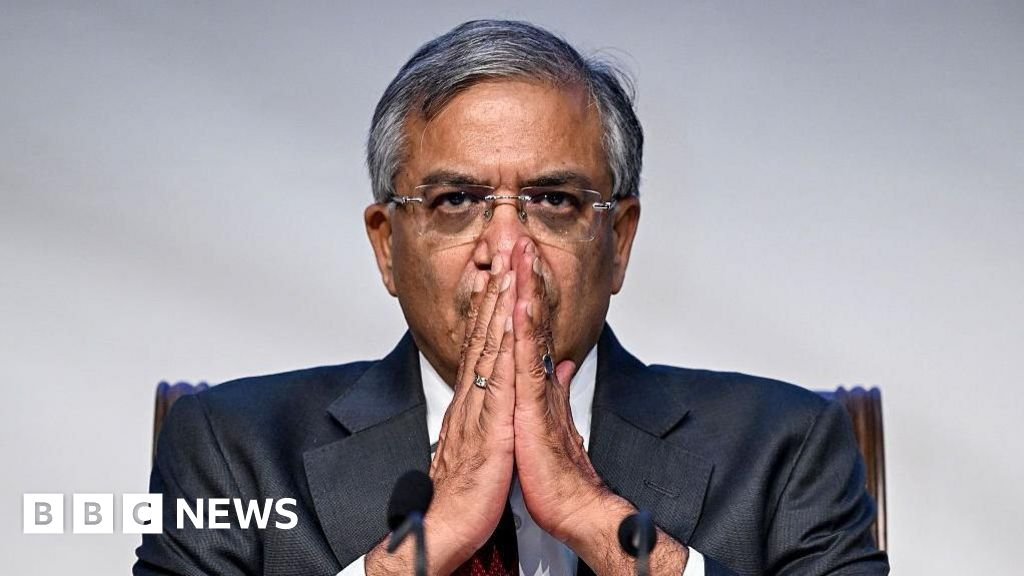
The latest accusations targeting the chief of the poll panel have injected a new sense of urgency into these concerns. Critics argue that the commission has moved away from its traditionally adversarial stance toward the executive, suggesting that the current leadership is increasingly aligned with the interests of the ruling government. While the ECI has consistently denied these claims, labeling them as politically motivated attempts to undermine the integrity of the democratic process, the frequency and severity of these allegations have begun to erode public confidence.
Transparency and the Selection Process
Much of the recent criticism stems from changes in the appointment process of Election Commissioners. Historically, the selection was a collaborative endeavor, but recent legislative modifications have granted the executive significantly more leverage in choosing the officials who sit on the panel. Legal scholars have raised alarm bells, suggesting that if the commission is viewed as an extension of the government, its capacity to penalize ruling party candidates during intense campaign cycles will be severely compromised.
“The strength of the Election Commission has always been its ability to act without fear or favor,” says a senior political analyst based in New Delhi. “When that perception of neutrality wanes, the entire edifice of the electoral process starts to look fragile. The current crisis is not just about the individuals involved; it is about the structural integrity of a body that is supposed to be the ultimate referee.”
The Impact on Democratic Faith
As India prepares for future electoral cycles, the implications of this credibility crisis are significant. Voter turnout and the public’s acceptance of results depend heavily on the belief that the “referee” is fair. When the chief of the commission becomes a lightning rod for controversy, it risks delegitimizing the very mandate that election winners claim.
Opposition leaders have called for an independent inquiry into the latest allegations, emphasizing that the ECI must not only be independent but must also be seen to be independent. In response, the commission remains steadfast in its defense, maintaining that all decisions are taken collectively and in accordance with the law.
Whether this latest crisis will lead to meaningful reform or deepen the political divide remains to be seen. However, one thing is clear: the Election Commission is currently facing one of its most difficult trials in recent memory. For India’s democracy to function effectively, the restoration of institutional trust will be paramount, requiring both a commitment to transparency from the leadership and a rigorous adherence to the constitutional principles that have guided the commission for over 70 years.
Disclaimer: This content is auto-generated for informational purposes only.
Source: Read Original News