







Turning Your Backyard into a Winter Bird Sanctuary
As the temperature drops and the last of the autumn leaves crunch underfoot, the natural food supply in our gardens starts to vanish. For the robins, tits, and thrushes that brighten up our mornings, winter is a genuine test of survival. While most of us are busy stocking our own pantries with comfort food, it is the perfect time to extend a bit of hospitality to our feathered neighbors. You do not need an expensive setup or a degree in biology to make a real difference; sometimes, the best help comes straight from your kitchen scrap bin.
Providing high-calorie meals during the colder months helps birds maintain the internal heat they need to survive freezing nights. Think of your garden as a necessary refueling station. When you take a moment to set out a tray or scatter some seeds, you are not just helping them survive; you are inviting a bit of life and theater into your outdoor space during an otherwise gray season.
The Kitchen Scraps Birds Actually Love
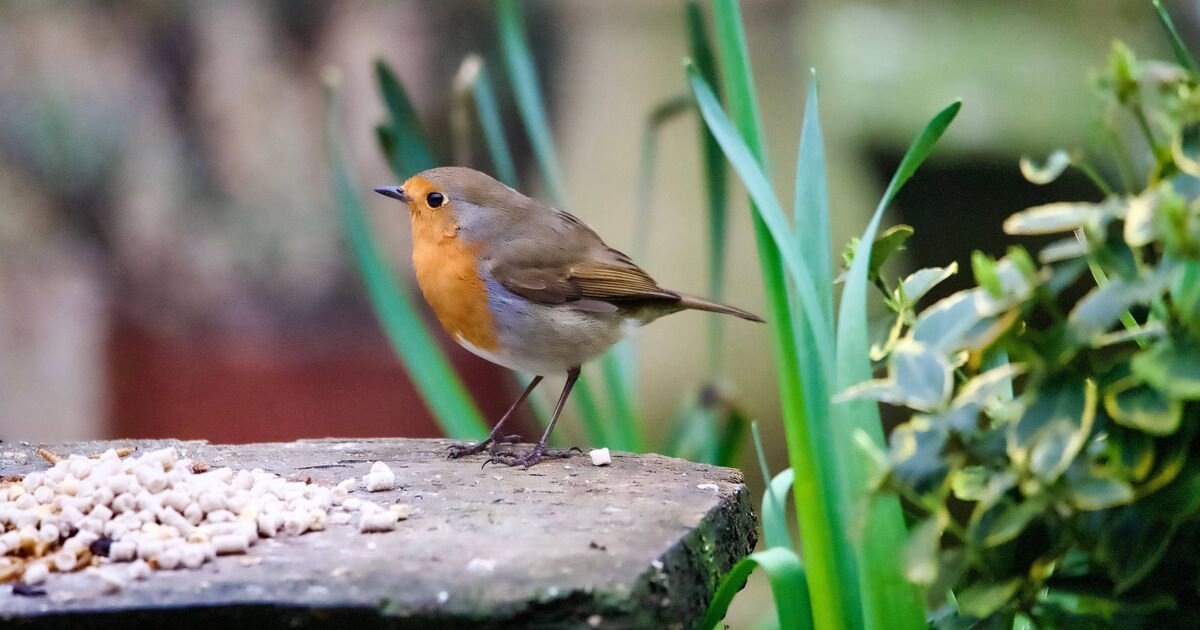
Many of us are surprised to learn that birds have a palate that aligns quite well with our own leftovers. While commercial birdseed is a staple, you can supplement their diet with items you likely already have in your pantry. Pastry, bread, and rice are high-energy treats that disappear incredibly fast once placed on a bird table. If you have some cooked potatoes left over from dinner, go ahead and share them—just make sure they are cooked, not raw.
Grated cheese is another fan favorite among garden visitors, providing a dense source of fat that is perfect for those shivering winter mornings. If you happen to have a bowl of fruit sitting on your counter that is a little past its prime, do not toss it in the bin. Thrushes and blackbirds will happily feast on bruised apples or pears. The golden rule here is to prioritize density; anything calorific helps them keep their metabolism firing. However, a quick word of caution: never offer anything salty. Bacon, salted peanuts, or crisps are essentially toxic to birds and should never be put outside.
Smart Strategies for Fair Feeding
If you have ever set out a pile of food only to watch a flock of pigeons or starlings swoop in and claim the entire buffet, you are not alone. These larger birds can be quite pushy, leaving the smaller, more timid garden visitors with nothing. A clever way to level the playing field is to use natural terrain. Find an old log or a piece of wood with deep cracks and crevices and pour your seed over it. The tiny birds will happily pick at the seeds nestled deep inside the fissures, areas where the larger birds simply cannot reach with their wider beaks.
Additionally, consider using hanging feeders for your sunflower seeds and fat balls. When these are suspended, it becomes much easier for smaller birds like tits to land and grab a bite without being crowded out. This creates a much more peaceful dining environment where everyone gets a turn at the table.
Maintaining a Healthy Space
While the act of feeding is generous, we must be responsible about how we present the meal. A cluttered or dirty feeder can quickly turn from a blessing into a health hazard. The best practice is to ensure your feeding station stays dry and clean. Bird feeders with flat, open surfaces are notoriously bad for hygiene because they collect droppings and rainwater, which can lead to illness. Opt for feeders that allow for drainage and make sure to scrub them down with mild soap and hot water at least once a week.
Moving your feeders to a new spot after cleaning is another great trick. It keeps the area beneath the feeder from becoming a focal point for bacteria and gives the birds a chance to explore a fresh patch of the garden.
Enjoying the Winter Wildlife
Beyond the practical benefits for the birds, this hobby provides a wonderful way to reconnect with nature without leaving your home. Grab a warm cup of coffee, settle into a chair by the window, and watch as the garden becomes a hub of activity. You will start to notice the different personalities of the birds—the bold robins, the clever tits, and the determined thrushes. By setting out a bit of extra food and keeping their environment clean, you turn a dormant garden into a thriving, busy sanctuary. It is a small, easy habit that rewards you with constant entertainment throughout the coldest months of the year.
Disclaimer: This content is auto-generated for informational purposes only.
Source: Read Original News