








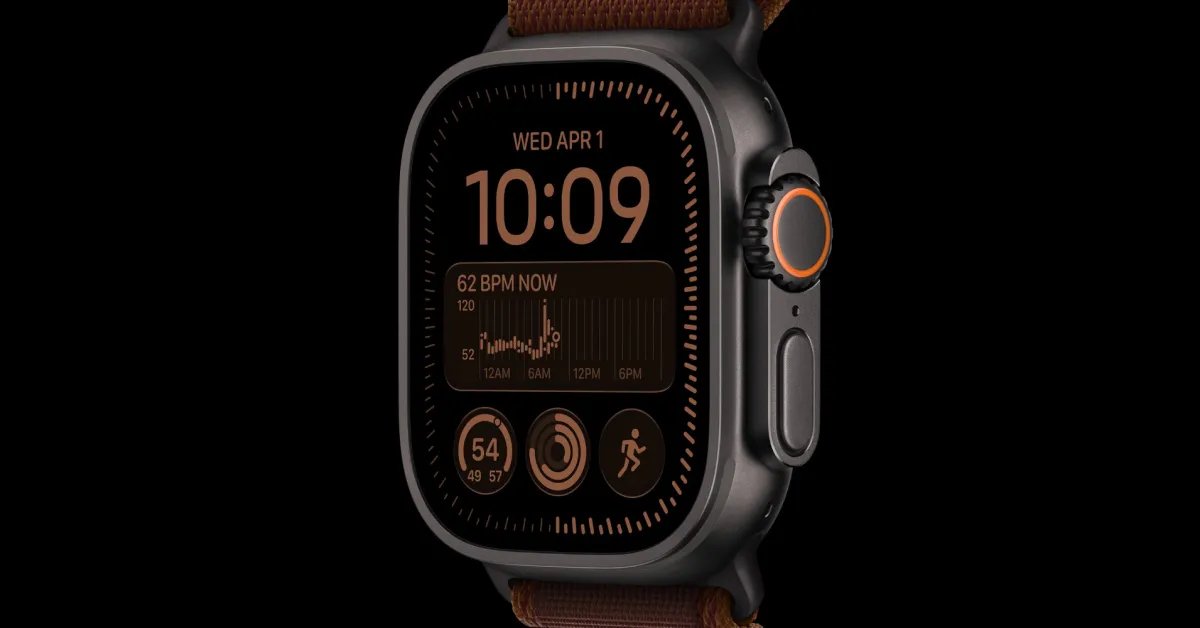
The recent debut of the Apple Watch Series 12 and the Apple Watch Ultra 4 has brought excitement to the wearable technology market. While initial marketing focused on the efficiency of the new S11 processor, technical deep dives have uncovered a significant hardware milestone: both devices now feature 4GB of RAM, effectively doubling the memory capacity compared to the 2GB found in the previous generation of these watches. This development serves as a critical indicator of Apple’s long-term strategy for its wrist-worn devices as it integrates more complex software into its ecosystem.
The Technical Significance of Doubling Memory
In the world of small-form-factor computing, memory capacity is a primary bottleneck for system fluidity. The transition from 2GB to 4GB of RAM in the Apple Watch lineup is not merely a quantitative increase; it is a fundamental shift in how the device handles tasks. Historically, Apple Watch hardware has relied on aggressive background app management to maintain a responsive interface. By increasing the available memory, the system can now cache more data, keep more applications in a suspended state without needing to refresh them, and facilitate smoother transitions between heavy health-tracking processes and interactive smart features.
For developers and power users, this upgrade ensures that applications—particularly those that rely on real-time data processing, such as fitness coaching apps or advanced navigation tools—can operate with greater autonomy. The increased headroom allows for more complex background processes to run without triggering the system to kill active sessions, which has been a common complaint in earlier models.
The Catalyst for watchOS 27 Intelligence
The arrival of the S11 chip and the associated RAM boost is inextricably linked to the rollout of watchOS 27. This iteration of the watch operating system focuses heavily on integrated artificial intelligence and machine learning tasks that require sustained computational power. Running advanced on-device intelligence requires keeping large language models and predictive health algorithms active in the system memory.
With 2GB of RAM, the system often struggled to balance the heavy requirements of modern, feature-rich OS updates with the needs of third-party applications. By doubling the memory, the S11 chip can leverage the increased capacity to handle these AI-driven features more effectively. This ensures that the watch remains responsive even when the system is performing heavy background computation, effectively future-proofing the hardware against the inevitable increase in resource demand expected from upcoming software updates.
Impact on User Experience and Longevity
Beyond the raw technical metrics, this hardware adjustment translates into tangible improvements in daily usability. Users will likely notice a decrease in application load times and a more stable experience when multitasking between watch faces, complications, and native applications. The internal headroom provided by 4GB of RAM also suggests a longer effective lifespan for these devices. As Apple continues to introduce features that demand higher resource utilization, devices equipped with 4GB of RAM will be significantly better positioned to handle the software requirements of the next three to four years compared to their predecessors.
This is particularly important for the Apple Watch Ultra 4, a device positioned as a high-end tool for athletes and explorers. These users often require stable, long-term performance during endurance events where battery management and consistent app reliability are paramount. The increased RAM ensures that even under heavy computational load, the watch remains a reliable interface for critical data.
Market Strategy and Silence on Specs
Apple’s decision not to explicitly tout the RAM upgrade in its promotional materials aligns with the company’s long-standing policy of focusing on the user experience rather than hardware specifications. While competitors in the mobile space often engage in “spec wars,” citing gigabytes of RAM or processor clock speeds as primary selling points, Apple prefers to highlight how the software feels and functions.
The discovery of the 4GB capacity via Xcode 27 confirms that Apple is prioritizing the internal technical foundation to support the heavy, intelligence-focused roadmap of watchOS 27. By quietly upgrading the memory, the company manages to secure the necessary infrastructure for its next generation of smart features while maintaining its marketing focus on the sleek aesthetics and functional outcomes of the device.
What This Means for the Future of Wearables
The jump to 4GB of RAM in a wrist-worn computer signals that the industry is approaching a new era of capability. The Apple Watch is slowly transitioning from a notification and fitness companion to an independent device capable of handling more sophisticated localized computation. As AI models become smaller and more efficient, the ability to store and run these models directly on the watch—without constant reliance on a tethered iPhone—becomes the next major goal.
For potential buyers, this hardware boost provides a compelling reason to consider an upgrade. While aesthetic updates and display improvements often grab the headlines, the invisible upgrade to the system memory is arguably the most important change for those seeking a device that will remain fast and functional for years to come. By ensuring the hardware is as capable as the software, Apple is setting a new standard for what should be expected from high-performance wearable technology.
Disclaimer: This content is auto-generated for informational purposes only.
Source: Read Original News