








There is something oddly meditative about a clean floor. While some people find chores a bit of a bore, there is a distinct sense of accomplishment that comes with finishing a deep clean of a living space. For me, vacuuming is the final, crucial step in making a room feel truly pulled together.
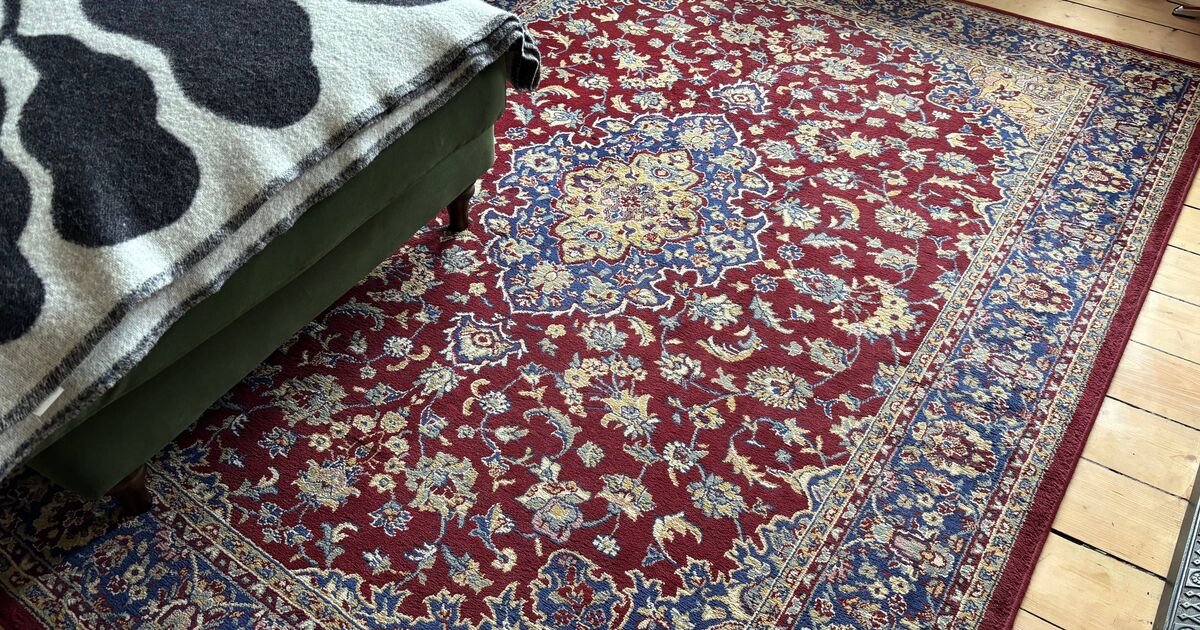
My faux Persian rug from IKEA has seen plenty of life over the years. It is a staple of my living room, and because it sits in a high-traffic area, it needs more than just a quick surface pass with the vacuum. While I often find myself watching those mesmerizing rug-cleaning clips on social media, my own rug was not quite at the level of needing professional restoration. However, it was definitely in need of a refresh. I decided to pit two popular methods against each other: a specialized foaming carpet cleaner and a classic, low-cost household staple.
The Foam Approach: Zoflora Carpet Care
My first test subject was the Zoflora Carpet Fresh and Care Foam. I picked this up for a modest price at a local shop, drawn in by the promise of a fresh scent. The application was straightforward: spray the foam from about 50 centimeters away and massage it into the fibers using a cloth or sponge.
The foam was satisfying to apply, and it gave the living room a lovely, clean scent immediately. I let it sit for about ten minutes, as suggested, and then worked it into the fabric. The main takeaway here is that while the foam makes the rug look refreshed, you cannot skip the vacuuming step. The process felt a bit more labor-intensive because it required physical scrubbing. Even though the product suggests vacuuming isn’t mandatory after application, I found it necessary to remove the loosened particles. The scent was the highlight, though it faded much faster than I initially expected.
The Pantry Hero: Baking Soda
Next, I turned to a simple box of baking soda. This is a classic trick, and given how well it works for other household tasks, I was curious to see if it could handle a rug. The method is incredibly simple: sprinkle a generous amount over the carpet and let it sit. I left mine for an hour, ensuring I kept the area off-limits to avoid tracking powder throughout the rest of the house.
While this process is technically messier than a contained foam spray, it turned out to be the clear winner for me. There was no scrubbing required, and once I vacuumed it up, the rug looked fantastic. Baking soda is an incredible tool for neutralizing odors, and since it leaves no residue behind, the finish was clean and crisp.
Comparing the Results
When you weigh these two methods, the cost-benefit analysis is clear. Baking soda is significantly cheaper than branded cleaning foams and is likely already sitting in your kitchen cupboard. While the foaming spray provided an initial burst of perfume, it didn’t last long enough to justify the price difference.
The baking soda method is also far more efficient. Because it is a dry application, you simply let it sit and then vacuum it away. You avoid the extra step of scrubbing with a damp cloth, which saves both time and physical effort. Most importantly, it did an excellent job of neutralising any stale scents trapped within the rug fibers, leaving the living room feeling truly refreshed without any heavy chemical residue.
Final Thoughts on Rug Maintenance
Keeping your home feeling clean does not have to be a complicated or expensive endeavor. Both methods proved that you can achieve a great result without hiring professionals, but the baking soda hack proved to be the more reliable, cost-effective, and easier solution.
If you have a rug that looks a bit tired but doesn’t have major spills or deep stains, a simple sprinkle of baking soda is a fantastic way to brighten it up. Just remember that the secret to both of these methods is a good vacuuming session afterward. It turns out the simplest tools in your cupboard are often the most effective when it comes to keeping your living space looking its best.
Disclaimer: This content is auto-generated for informational purposes only.
Source: Read Original News