






American business owners are navigating a commercial landscape so volatile that many are describing it as more daunting than the height of the Covid-19 pandemic. While the 2020 crisis was defined by sudden, total halts in supply chains, today’s struggle is characterized by relentless, unpredictable fluctuations in cost, availability, and global stability.
Jeff Vojta, CEO of North Carolina-based Dilworth Coffee, notes that his company is facing a confluence of record-high commodity prices, severe weather patterns like the current Super El Niño, and global geopolitical strife. For businesses across the country, the inability to forecast even a few months into the future has created a crisis of uncertainty that is rapidly testing their survival instincts.
The New Reality of Supply Chain Friction
The current business climate is underscored by a volatile mix of energy costs and logistical nightmares. A recent report from the Institute for Supply Management highlighted that many executives view the current environment as more complex than the pandemic era. Unlike the relative “shutdown and wait” dynamic of 2020, modern supply chains are dealing with constant, erratic interruptions.
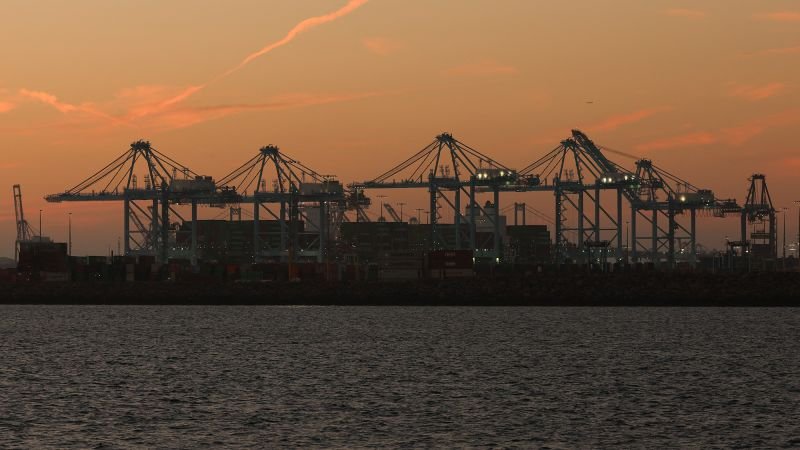
Persistent conflict in the Middle East and the escalating instability in the Red Sea have forced shipping companies to reroute vessels around the African continent, effectively slashing global shipping capacity by roughly 15%. Simultaneously, extreme weather events—such as back-to-back typhoons that shuttered the port of Shanghai for weeks—have added layers of friction that no amount of advanced inventory planning can fully mitigate.
Tech-Driven Mitigation and the Limits of AI
To combat these unpredictable shifts, firms are increasingly turning to advanced data analytics, AI-driven price modeling, and logistics software platforms like Flexport. Business leaders are leveraging these digital tools to adjust their sourcing timelines, often shifting from 24-month procurement windows to short-term, three-to-six-month models to remain agile.
However, even the most sophisticated predictive algorithms struggle to account for the “black swan” events currently impacting the global market. While AI can optimize shipping routes or forecast demand based on historical weather patterns, it cannot account for the sudden doubling of diesel prices or geopolitical decisions that disrupt 12% of the world’s seaborne fuel supply. For companies like Dilworth Coffee, technology is a vital tool, but it is not a cure-all for the fundamental lack of stability in the global marketplace.
A Vicious Cycle of Cost and Consumer Sentiment
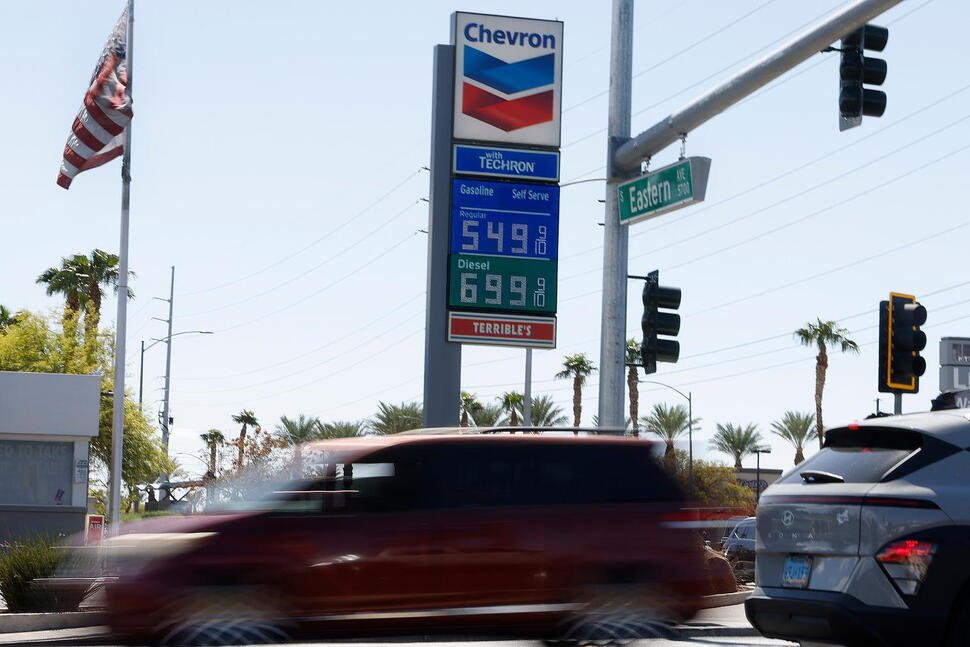
The core issue remains the “sticky” nature of inflation. While government officials have expressed hope that resolving regional conflicts could provide immediate relief to prices, the reality is that the costs of shipping and refined fuels have already permeated the service sector—a segment of the economy where price adjustments are often permanent rather than temporary.
Small businesses, which often serve as the first line of defense in absorbing economic shocks, are reaching their breaking point. CEOs are finding it impossible to pass these rising costs on to consumers who are already weary of persistent inflation. This squeeze on margins, combined with wildly fluctuating sales volumes—some businesses report swings of up to 20% in a single month—is creating a chaotic environment that discourages long-term investment.
As business leaders continue to grapple with this unprecedented era of friction, the desire for predictability has become their most sought-after commodity. In a world where weather, war, and logistics operate on a razor’s edge, technology provides a necessary lens to view the danger, but it offers little shelter from the storm.
Disclaimer: This content is auto-generated for informational purposes only.
Source: Read Original News