





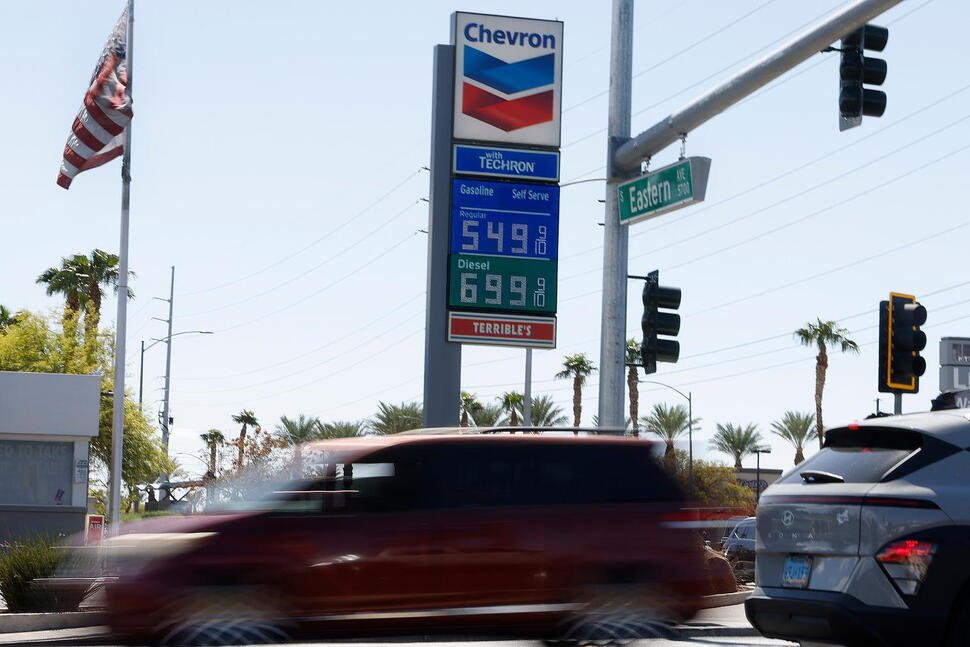
As midterms approach, surging gas prices and a broader cost-of-living crisis are reshaping the American political landscape. With the national average for a gallon of gas climbing toward $4.48, voters from South Texas to Michigan are expressing deep frustration, forcing a national conversation about economic stability that currently threatens Republican candidates.
The Political Cost of Economic Strain
For working-class Americans, the current surge in fuel costs is not merely a political talking point—it is a daily calculation that forces households to choose between essential groceries and the ability to commute to work. While President Trump has attempted to frame these prices as a necessary sacrifice related to foreign policy, voters are increasingly skeptical.
Political strategists note that gas prices act as a real-time economic barometer. Because the cost is prominently displayed on large signs at every intersection, it provides a persistent, unavoidable reminder of the current administration’s performance. Recent polling, including data from Fox News, suggests this frustration is taking a toll: 63% of voters now believe the current administration has worsened the economy, a significant jump from previous months.
Tech’s Role in Tracking Voter Sentiment
In an era of hyper-connected information, tech giants and digital platforms are playing an outsized role in how these economic realities reach voters. Google’s suite of products, including Google News and Search, has become the primary portal for citizens tracking the economic impacts of government policy. As searches for “gas price forecasts” and “inflation updates” spike, AI-driven aggregation services are providing voters with localized insights into how national policy affects their specific zip codes.
Furthermore, digital platforms are helping to capture the nuance of voter sentiment. By analyzing data trends, political analysts can see that the “affordability crisis” is not monolithic. While some voters express a willingness to stay the course with the GOP due to long-term ideological alignment, others are turning toward democratic socialist platforms or leaning into protest votes, driven by the real-time financial pressures reported through digital media outlets.
The Disconnect Between Policy and Reality
The administration’s messaging—that current economic hardships are a small price to pay for geopolitical security—is hitting a wall of resentment among the electorate. For workers like Quinten Martinez, an Amazon driver in Edinburg, the rhetoric of a “booming economy” feels entirely disconnected from the reality of his bank account.
This disconnect is being amplified by the digital dissemination of the crisis. When news of local gas prices reaches voters via their mobile devices, it strips away the polish of national campaign speeches. Teachers in North Carolina and cleaning business owners in Michigan are utilizing these digital tools to compare their personal struggles with national economic data, fueling a sense of abandonment.
As early voting begins, the GOP is tasked with a difficult challenge: proving that they have a plan for domestic stability in a time of global volatility. With voters now identifying the economy as their primary concern, the ability of Republican candidates to bridge the gap between their foreign policy stances and the immediate, rising costs at the pump will be the deciding factor in the upcoming elections. Whether the technological tools voters use to stay informed will favor the current administration or bolster the case for a change in leadership remains the pivotal question as Election Day approaches.
Disclaimer: This content is auto-generated for informational purposes only.
Source: Read Original News