








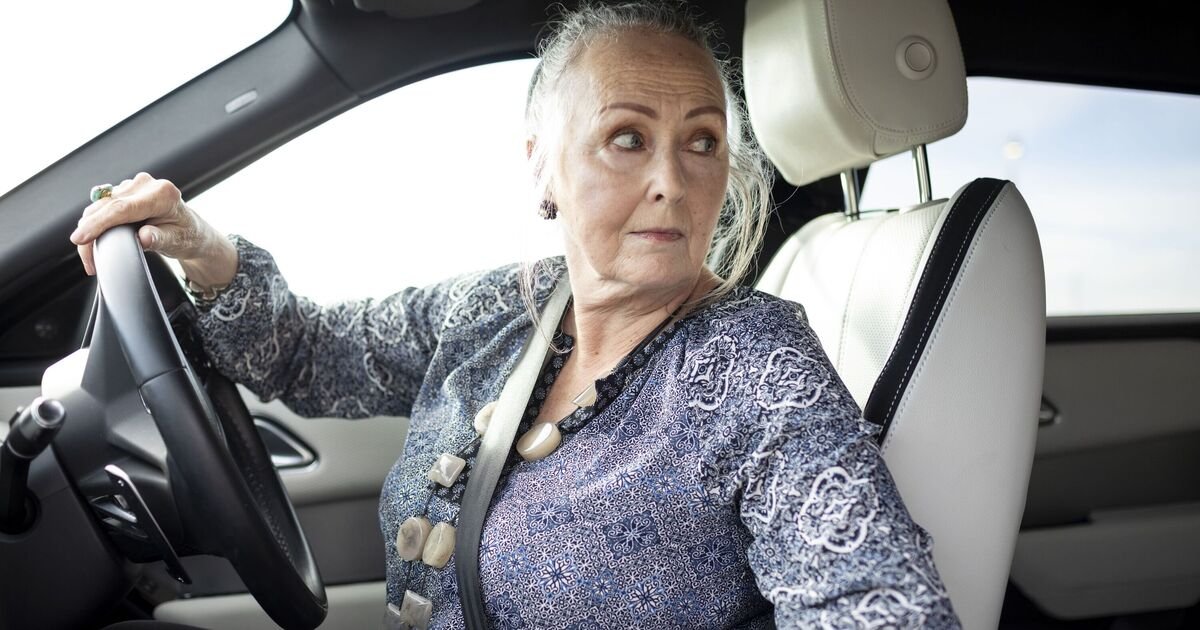
Keeping Our Loved Ones Safe on the Road
As we watch our parents and grandparents age, we often find ourselves shifting into a caretaker role without even realizing it. One of the most delicate subjects to navigate is the transition from being an active driver to hanging up the car keys for good. It is a topic wrapped in a desire for independence, yet it is grounded in the necessity of safety for everyone on the road. When we notice changes in our loved ones’ routines, it is natural to feel a bit uneasy, but approaching this change with grace and practical observation can make a world of difference.
Watching for Subtle Clues
We often think that major accidents are the only warning signs, but the reality is much more subtle. Experts suggest that we should pay attention to the small things that happen right in our driveways or neighborhoods. Keep an eye out for mysterious scrapes, tiny dents, or cracked light covers on a vehicle that weren’t there a few weeks ago. These little blemishes often tell a story of misjudged distances or parking struggles that the driver might be hesitant to bring up.
It is not just about the car itself, either. Look for signs around the home, such as flattened flowerbeds, scraped fence posts, or bumped garage walls. When these markers start appearing, it is usually a sign that depth perception or reaction times are not quite what they used to be. If your loved one is suddenly quiet about how a new dent appeared, or claims they truly did not notice the damage, it is a clear signal that it might be time to have a gentle chat about their driving habits.
Understanding the Gradual Shifts
It is easy to assume that vision loss or slower reflexes happen overnight, but these changes are usually quite gradual. Because the decline happens in small increments, many older drivers honestly feel they are perfectly fine to keep operating their vehicles. They aren’t trying to be difficult or stubborn; they simply haven’t noticed the subtle changes in their own performance.
In the UK, while there isn’t a set age to stop driving, the responsibility lies with the individual to report medical conditions. Since self-declaration can be tricky—especially when we don’t always notice our own health decline—taking an active role in checking in on their physical well-being is a kind act. If you notice they are squinting at road signs or struggling to track traffic, it might be time to suggest an updated vision check. Sometimes, a professional opinion from an optician or doctor carries more weight and removes the pressure from family members.
Navigating the Conversation
Bringing up the topic of driving is rarely easy. Nobody wants to feel as though they are losing their autonomy. When you decide it is time to talk, focus on the benefits rather than the restrictions. Instead of framing it as losing a license, frame it as a shift in lifestyle. Remind them that driving can be stressful, expensive, and tiring.
A great way to approach this is to offer to go on a few test runs with them. Try out local bus routes, train connections, or ride-sharing services together. Frame these excursions as a fun day out. When they see how much easier it is to be a passenger—where they can read a book, relax, or chat with you without having to focus on the road—the idea of giving up the keys starts to feel less like a loss and more like a relief.
Promoting Independence Beyond the Car
The fear of losing independence is the main reason many people cling to their driving privileges far longer than they should. However, life without a car doesn’t have to be a life stuck at home. In many areas, community transport services and local transit systems are more accessible than ever before.
Help your loved ones map out their world without a steering wheel. Show them how to use digital apps to summon rides, find out when their local bus arrives, or identify walking paths that are safe and well-lit. By helping them build a new network of mobility, you are replacing their old habits with new, perhaps even more relaxing, routines. When they realize that their social life and daily errands are still entirely within their reach, the transition becomes a natural step forward in their journey, ensuring their safety and peace of mind for years to come.
Disclaimer: This content is auto-generated for informational purposes only.
Source: Read Original News