








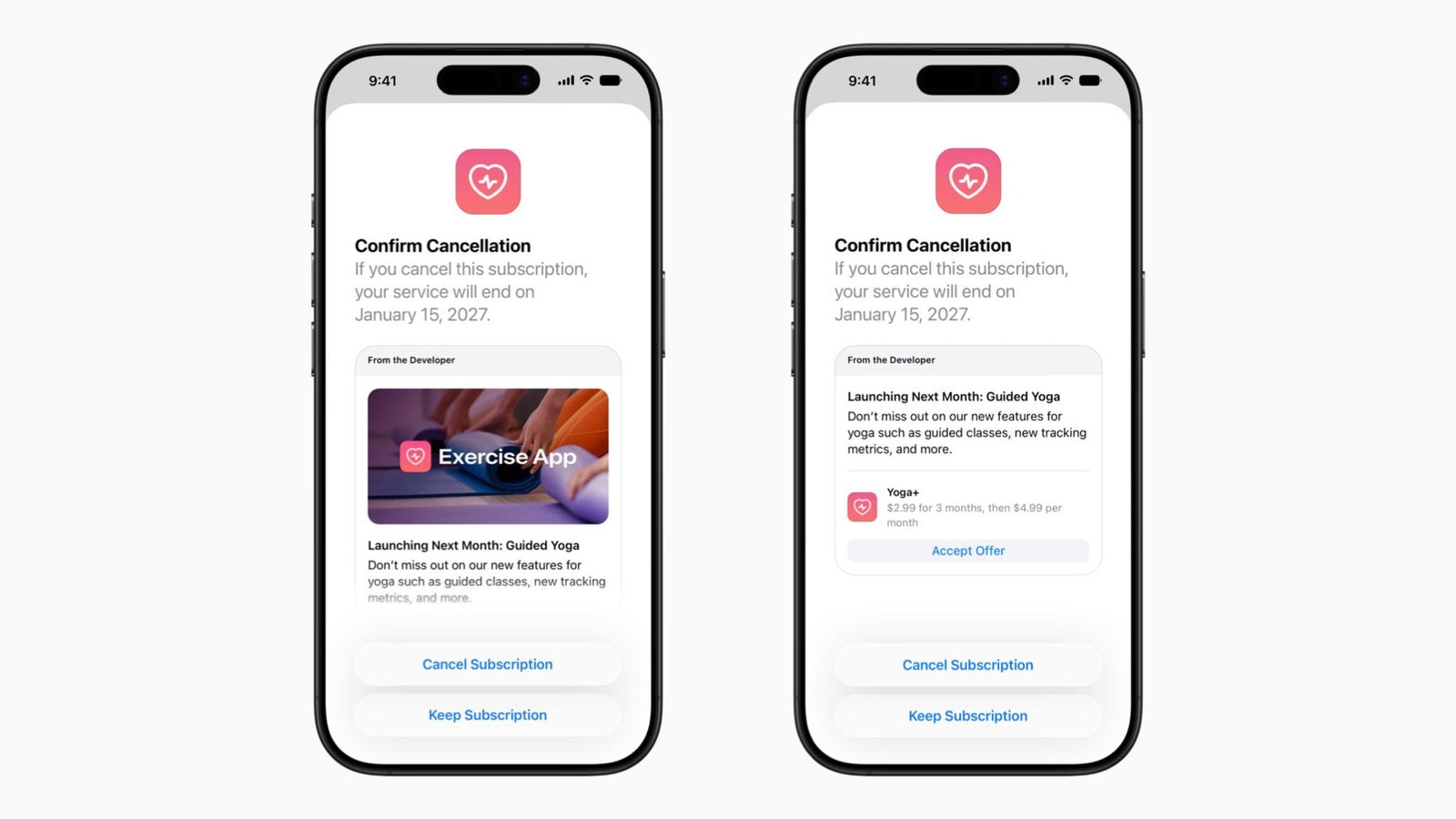
Revolutionizing Subscriber Retention for Developers
Apple has introduced a significant enhancement to the App Store ecosystem, specifically designed to address one of the most critical challenges facing digital service providers: subscription churn. By integrating native retention messaging directly into the cancellation flow, Apple is providing developers with a structured methodology to engage users at the precise moment they decide to terminate a service. This shift moves away from generic cancellation prompts, allowing for a more nuanced, interactive dialogue between the service provider and the end user.
The update empowers developers to deploy customized content—including text, high-resolution imagery, and targeted financial incentives—directly within the user’s subscription management settings. This design ensures that the message is delivered exactly when the user is actively navigating away from a service, rather than through external communication channels like emails, which often go ignored. By placing this feature within the App Store Connect interface, Apple has ensured that implementation remains accessible to a broad range of developers, from independent creators to large-scale subscription platforms.
The Mechanism of Dynamic Retention Messages
At the core of this update is the ability to create dynamic, condition-based messaging. Developers can configure these messages to appear based on specific subscriber statuses, ensuring that the content is relevant to the individual user. For instance, a long-term user might receive a message highlighting upcoming feature updates or a gratitude-based offer, while a newer subscriber might see a promotional discount designed to bridge the gap between their perceived value and the cost of the service.
The platform allows for the setting of wait times and frequency limits between messages. This granular control is essential for maintaining a positive user experience; it prevents the system from becoming intrusive or repetitive. By strategically timing these interventions, developers can effectively mitigate impulsive cancellations without compromising the user’s ability to manage their own account settings. The interface in App Store Connect acts as a centralized command center, where developers can manage these assets and view the efficacy of their retention strategies over time.
Leveraging the Retention Messaging API
For developers requiring deeper integration, Apple has launched the Retention Messaging API. While the standard interface within App Store Connect handles general implementation, the API allows for sophisticated, programmatic control over how and when these messages are displayed. Through this system, developers can cross-reference subscriber data with their own backend logic to trigger highly specific offers.
Access to the Retention Messaging API is currently granted by request, reflecting a cautious rollout that prioritizes quality and system stability. This API-driven approach allows for dynamic rendering of content based on real-time factors, such as the user’s historical usage patterns or their interaction with previous promotional efforts. By utilizing this API, developers can ensure that their retention efforts are data-informed rather than speculative, allowing for A/B testing and performance optimization that aligns with their business KPIs.
Impact on the Subscription Economy
The subscription model has become the standard for mobile software, providing recurring revenue that supports continuous development cycles. However, high churn rates remain a pervasive hurdle. This update serves as an infrastructure-level solution to this issue. By providing a standardized toolset for re-engagement, Apple is effectively helping developers sustain the longevity of their products.
For the end user, this feature represents a more transparent and responsive experience. Instead of a abrupt cancellation, users are presented with a final opportunity to reassess their relationship with a service. Whether it is an offer for a reduced rate, an extension of a trial, or a notification about upcoming content that matches their interests, the feature provides a meaningful point of contact that can turn a negative cancellation experience into an opportunity for continued engagement. This fosters a healthier ecosystem where users feel valued, and developers maintain a more stable revenue stream.
Strategic Implementation and Best Practices
As developers integrate these new tools, the focus will likely shift toward optimizing the messaging content itself. The effectiveness of a retention prompt is highly dependent on the clarity and value proposition of the offer. Developers are encouraged to analyze the reasons behind user cancellations—often gathered through user feedback or analytics—and tailor their retention messages to address those specific pain points directly.
Success in this new environment will require a balance between aggressive marketing and user privacy. By leveraging the tools provided by Apple, companies can design paths that respect the user’s autonomy while simultaneously demonstrating the inherent value of their product. This balance is critical, as overly persistent or aggressive retention tactics can lead to brand fatigue. By using the system to deliver timely, helpful, and transparent communication, developers can maximize their chances of converting a “canceller” back into a “loyal subscriber,” ultimately benefiting the entire digital marketplace.
Future Outlook for the App Store
This update is a clear signal that Apple is committed to providing its developer community with robust tools for commercial sustainability. By moving the retention conversation to the point of cancellation, Apple is streamlining the lifecycle of a subscription. As more developers adopt these features and the API capabilities evolve, the industry can expect to see more sophisticated, predictive models for subscriber retention appearing across the App Store.
The move also underscores the ongoing maturation of the App Store as an enterprise-grade platform. As mobile applications continue to take on more complex roles in the daily lives of consumers, the tools required to manage those relationships must also grow in sophistication. With these new retention capabilities, the foundation is set for a more collaborative approach to subscriber management, ensuring that users stay connected to the services they find most useful, while developers continue to find the stability necessary to innovate.
Disclaimer: This content is auto-generated for informational purposes only.
Source: Read Original News