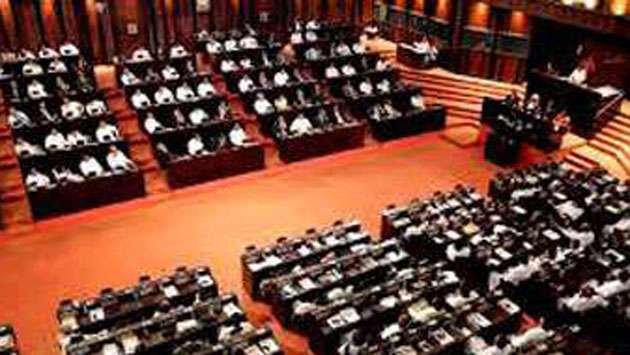









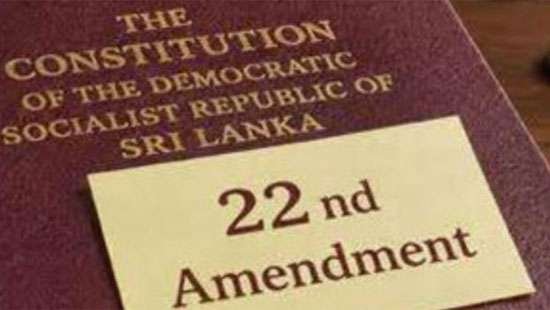
COLOMBO – Sri Lanka’s constitutional landscape is currently the subject of intense national debate as legal experts, political analysts, and the public scrutinize the implications of the 22nd Amendment to the Constitution. The discussion has reached a fever pitch, with citizens taking to public forums and digital platforms to demand clarity on how this legislative shift will reshape the nation’s governance structure and the powers vested in the presidency.
The 22nd Amendment, a pivotal piece of legislation introduced to address long-standing concerns regarding executive authority and transparency, serves as a successor to previous constitutional reform efforts. At its core, the Amendment seeks to restore a system of checks and balances that critics argue had been eroded in recent years. By introducing stricter oversight mechanisms, the proposed changes aim to limit the absolute discretion previously afforded to the head of state, particularly regarding the appointment of independent commissions and high-ranking judicial officials.
“The discourse surrounding the 22nd Amendment is a reflection of a maturing democracy,” noted a constitutional scholar based in Colombo. “The public is no longer content with opaque decision-making. People are asking legitimate questions about the separation of powers and the protection of democratic institutions. The Amendment is intended to provide that necessary buffer against executive overreach.”
However, the path to implementation remains fraught with political hurdles. While proponents argue that the bill is essential for ensuring political stability and restoring investor confidence, skeptics have raised concerns about the practical application of these new rules. Specifically, questions remain regarding how effectively the independent commissions will operate under the new framework and whether the Amendment provides enough teeth to prevent the consolidation of power that has historically plagued the political system.
As the government moves forward with the legislative process, the “Daily Mirror” online platform has seen a surge in public engagement. Hundreds of citizens have utilized the comment sections—which recently underwent technical updates to integrate secure authentication methods—to voice their perspectives. The sheer volume of feedback underscores a populace deeply invested in the constitutional integrity of the nation. Common themes among the public commentary include the urgent need for economic recovery, the role of the judiciary in upholding the rule of law, and the necessity of preventing any single individual from holding unchecked influence over state entities.
Legislators are expected to face rigorous questioning in the coming days as the bill moves toward a final vote. The outcome will likely serve as a barometer for the government’s commitment to the structural reforms demanded by the public during the recent period of political transition. As the country watches closely, the 22nd Amendment stands not just as a legal document, but as a critical test of Sri Lanka’s dedication to a more accountable and transparent future.
Disclaimer: This content is auto-generated for informational purposes only.
Source: Read Original News