








Aleph Hospitality Hits 50-Hotel Milestone: Redefining Third-Party Management in the Middle East and Africa
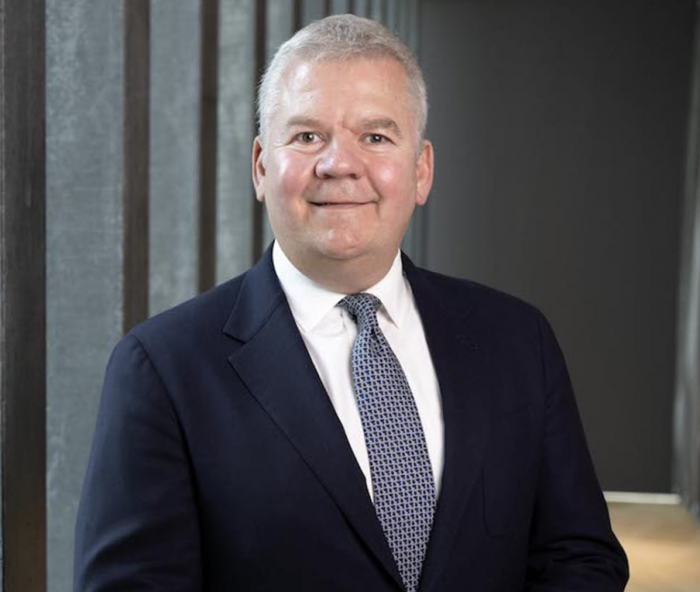
In a significant milestone for the regional hospitality sector, Dubai-based Aleph Hospitality has officially surpassed the 50-hotel mark, cementing its position as the largest independent hotel management company across the Middle East and Africa. Founded in 2015 by Bani Haddad, the company has successfully scaled its footprint across 23 countries, proving that the third-party management model—long a staple of North American and European hospitality—is a powerful driver of growth in more complex, emerging markets.
The company’s expansion is rooted in a fundamental shift in how hotels are operated. By decoupling branding from management, Haddad has provided asset owners—ranging from family offices to first-time institutional investors—with a path to access international flags while retaining granular, localized control over operations. Under this franchise-led arrangement, Aleph handles the heavy lifting: technical pre-opening support, recruitment, procurement, and rigorous financial reporting.
“Owners today need an operating partner that works locally, protects their interests, and remains flexible with brand franchises,” said Haddad. “By focusing on owner alignment, we have made a specialist layer of the hotel economy visible.”
Reaching 50 properties is more than a numerical success; it is a validation of Aleph’s ability to standardize systems across vastly different legal jurisdictions and labor markets. As the company looks toward its 2029 growth targets, the challenge shifts from entrepreneurial expansion to institutional maturity. Maintaining quality at this accelerated pace will require the firm to resist the temptation of simply adding “flags” for the sake of scale, focusing instead on deep governance and ensuring that owners still experience the same responsiveness they enjoyed when the company was a fledgling startup.
Beyond the balance sheet, Aleph is positioning itself as a vital engine for talent development. In regions where professional hospitality skills remain scarce, the company offers a unique advantage: career mobility across various brands and borders. This internal ecosystem not only aids in retention but also aligns with the aggressive localization goals of many regional governments looking to turn tourism into a meaningful driver of national employment.
Furthermore, Aleph’s influence extends into the wider local economy. By introducing high-level procurement standards, revenue management software, and professional training protocols into emerging destinations, the company is effectively lowering the barrier for international brands to enter markets where a full corporate infrastructure would otherwise be cost-prohibitive.
As Aleph Hospitality transitions into its next chapter under a co-chief executive structure, the industry is watching closely. The move is designed to ensure succession resilience and expand leadership capacity. For Haddad, the ultimate test remains consistent: whether the company can continue to deliver high-touch, bespoke service as its portfolio grows, ensuring that the separation of ownership and operation remains a competitive advantage for all stakeholders involved.
Disclaimer: This content is auto-generated for informational purposes only.
Source: Read Original News