







The Strategic Rationale Behind Xbox Restructuring
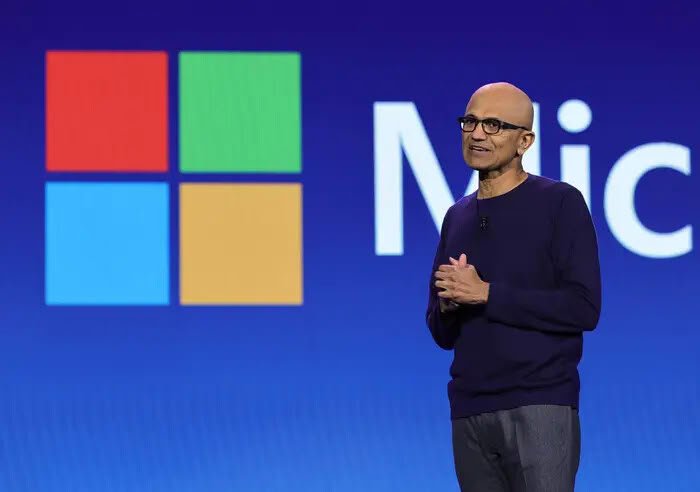
Microsoft’s leadership has signaled a definitive shift in the operational architecture of its gaming division. During a recent appearance on the Sources Podcast, Microsoft CEO Satya Nadella publicly supported the ongoing personnel reductions within the Xbox unit, describing the current trajectory of the company as “fantastic.” This commentary arrives at a critical juncture for the gaming conglomerate, which has recently enacted a series of aggressive workforce reductions, totaling approximately 1,868 roles eliminated in the most recent phases of a broader restructuring initiative.
Under the guidance of Xbox CEO Asha Sharma, the division is undergoing a fundamental transformation aimed at aligning its financial performance with other high-performing segments of the Microsoft portfolio. While the human cost of these layoffs remains a point of significant scrutiny, the corporate justification centers on long-term sustainability and the optimization of resource allocation. The objective, as stated by leadership, is to transition Xbox into a more agile organization capable of operating with greater efficiency while maintaining its status as a premier publisher and platform provider.
Operational Efficiency and Financial Realignment
The core driver behind these changes is a stark assessment of current profit margins. According to internal benchmarks cited by Asha Sharma, the Xbox business model has historically underperformed in terms of profitability when compared to its direct competitors and internal peer groups. Estimates suggest that the division’s margins have trailed similar platform and publishing operations by a factor of three to ten times.
To bridge this gap, Microsoft is implementing a lean-management philosophy. This involves the consolidation of smaller development studios and the redistribution of intellectual property management across larger, more established internal teams. By reducing headcount and centralizing operational overhead, the company aims to lower its cost-to-operate ratio. For Microsoft, these measures are framed as a necessary surgical intervention to ensure that Xbox remains a viable component of the company’s multi-platform strategy, which includes aggressive expansion across Windows-based PCs and cloud-based distribution channels.
The Future of Flagship Franchises
A primary consequence of this organizational reset is the shifting stewardship of high-profile assets. Recent reports confirm that the Halo franchise, long considered the bedrock of the Xbox ecosystem, is undergoing a major transition. Development responsibilities are being reorganized, with Activision entities reportedly taking a larger role in the future of the series. This shift suggests a move away from the traditional, studio-specific development cycles that have characterized the franchise for decades.
This restructuring is not merely about personnel counts; it represents a significant pivot in project management strategy. By moving intellectual property management into a centralized, cross-functional framework, Microsoft intends to minimize the risks associated with stalled development cycles and inconsistent release cadences. The integration of veteran talent from the Activision portfolio into the core Xbox development pipeline is a calculated move to standardize quality control and production timelines across all first-party offerings.
Sustainable Business Models in Modern Gaming
The broader vision articulated by Satya Nadella emphasizes the creation of a “sustainable business model” that can accommodate the escalating costs of AAA game development. Modern gaming demands massive investment in engine technology, graphical fidelity, and live-service maintenance. When these investments fail to generate expected returns, the financial strain impacts the entire hardware and software ecosystem.
Microsoft’s current strategy focuses on platform-agnostic growth. By decoupling its business aspirations from a hardware-exclusive focus, the company seeks to reach broader audiences on PC and mobile devices. This requires a shift in how resources are deployed; instead of maintaining fragmented studio structures that may operate in silos, the new model prioritizes a unified development pipeline. This approach is intended to provide the necessary fiscal runway to sustain long-term game support without relying solely on recurring hardware sales.
Understanding the Impact on Global Development Teams
The consequences of this restructuring are felt globally, particularly within smaller, specialized studios such as Undead Labs, which have faced significant staff reductions. The loss of human capital in these environments often results in the cancellation or indefinite postponement of smaller, experimental projects. While the corporate mandate focuses on strengthening the balance sheet, the immediate impact on the development community is one of consolidation, where individual creativity is often secondary to the needs of the broader platform’s bottom line.
Chief Content Officer Matt Booty has indicated that the company is approximately 75 percent through the current phase of the “reset.” This suggests that the final fiscal quarter of the year will involve further consolidation and organizational shifts. For the remaining workforce, the challenge lies in adapting to an environment where agility and cross-platform compatibility are the primary metrics for success.
Conclusion: The Long-Term Trajectory of the Xbox Platform
Microsoft’s current course represents a cold, calculated bet on the future of interactive entertainment. By prioritizing margin expansion and streamlining its development pipeline, the company is attempting to safeguard the long-term viability of the Xbox brand against an increasingly competitive market. While the public rhetoric from leadership emphasizes the success of these measures, the long-term impact on the culture and creative output of Xbox-owned studios remains a subject of intense debate. As the restructuring nears its completion, the industry will be watching to see if this pursuit of financial optimization will ultimately result in the intended innovation or if it will fundamentally alter the nature of the development teams that made the platform successful in the first place.
Disclaimer: This content is auto-generated for informational purposes only.
Source: Read Original News