








VANCOUVER — The Canadian forestry sector is facing a deepening state of emergency as a convergence of plummeting lumber prices, debilitating wildfires, and high-cost labor disputes threatens the economic backbone of thousands of rural communities. Industry leaders and labor unions alike are warning that without urgent federal intervention, the sector—which has historically served as a cornerstone of the national economy—could be facing a permanent, irreversible contraction.
For months, sawmill operators across British Columbia and Northern Ontario have been forced to implement indefinite shift reductions and total mill closures. The latest data indicates that market prices for structural lumber have dropped by over 40% since last year, fueled by a cooling North American housing market and an influx of low-cost international imports.
“We are not just looking at a seasonal downturn; this is a structural shift that is shaking the foundation of our provinces,” said Mark Henderson, a senior policy analyst for the Forest Products Association. “When a mill shuts down in a town of 5,000 people, the ripple effect isn’t just economic—it’s cultural. It devastates the tax base, the schools, and the small businesses that rely on those paychecks.”
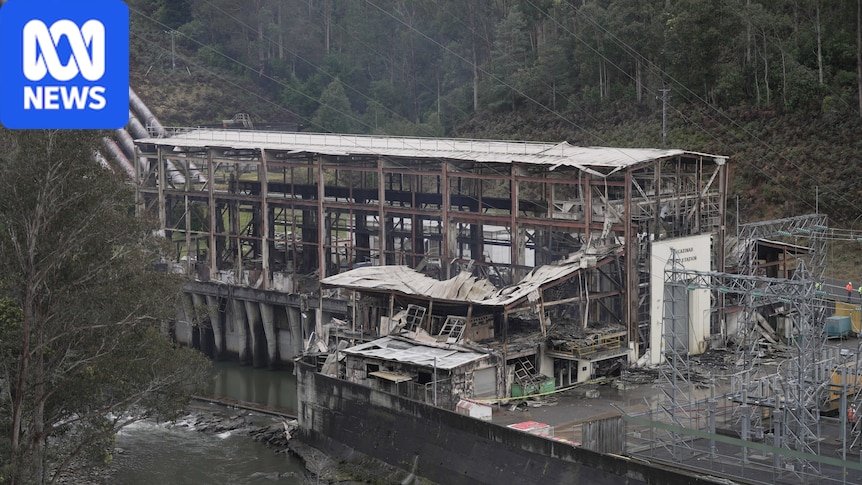
The crisis has been exacerbated by an increasingly volatile climate. Record-breaking wildfire seasons over the past three years have decimated vast tracts of standing timber, forcing forestry companies to pivot their operations in real-time while absorbing astronomical insurance premiums. The logistical nightmares caused by fire-scorched access roads and the loss of harvestable land have made it nearly impossible for many companies to maintain competitive margins.
Labor tensions are also at a breaking point. Negotiations between major forestry unions and industry representatives have stalled in recent weeks, with workers demanding wage increases that reflect the rising cost of living, while employers argue that the current price of lumber leaves no room for overhead expansion. Strikes have already impacted several key ports and transport corridors, further bottlenecking an industry struggling to get its product to market.
The federal government is now under mounting pressure to provide a robust relief package, similar to previous stimulus efforts during the 2008 financial crisis. Calls for “stumpage fee” adjustments and emergency subsidies for mill maintenance are growing louder in the House of Commons. Critics, however, argue that these measures only delay the inevitable modernization required by the industry.
As the smoke from the most recent wildfire season begins to clear, the outlook for the remainder of the year remains grim. For the workers in the field and the families whose livelihoods depend on the sector, the coming months will be a period of anxious uncertainty. With no immediate end in sight for the price slump or the environmental challenges, the Canadian forestry industry stands at its most significant crossroads in modern history.
Disclaimer: This content is auto-generated for informational purposes only.
Source: Read Original News