







The Engineering Behind the 555 Cubic Inch Powerplant
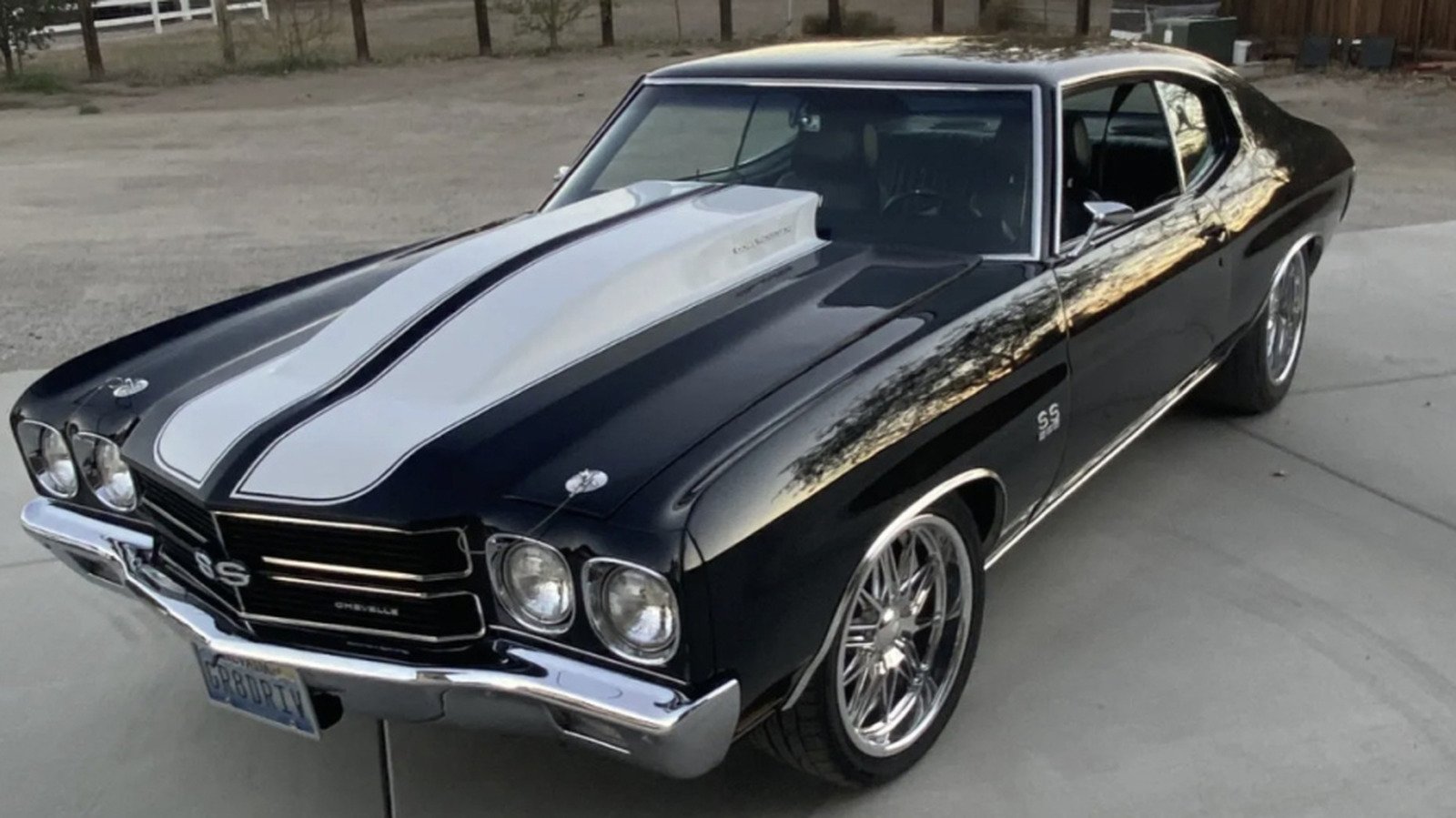
The automotive market often sees a divergence between those who demand factory-correct restorations and those who prioritize pure, unadulterated performance. This 1970 Chevrolet Chevelle Malibu Sport Coupe squarely aligns with the latter. At the heart of this machine lies a Keith Black 555 cubic inch V8 engine—a massive powerplant displacing approximately 9.1 liters. This engine is not merely a high-displacement block; it is a sophisticated piece of mechanical engineering designed to produce substantial torque and horsepower that would likely dwarf the original factory output of the 1970 era.
The engine setup features a Holley 1050-cfm carburetor paired with a Weiand polished aluminum intake manifold. This induction system is engineered to manage the significant air-fuel requirements of such a large-displacement engine, ensuring that the combustion process remains efficient under high demand. Bolted to this engine is a Richmond six-speed manual transmission, a choice that emphasizes driver engagement and precise gear selection over the convenience of a modern automatic. Power delivery is managed through a 12-bolt Positraction rear axle, which is essential for distributing the massive torque generated by the 555 engine to the pavement.
Advanced Suspension and Braking Integration
Transitioning a classic chassis to handle modern power levels requires significant upgrades to the vehicle’s dynamic capabilities. This Chevelle utilizes a suite of performance-oriented suspension components, including parts from Hotchkis and QA1 coilovers. These additions are designed to reduce body roll and provide a more predictable handling profile compared to the original factory soft-ride setup. The integration of coilovers allows for ride-height adjustment and damping calibration, enabling the owner to tune the chassis for improved cornering stability.
Safety and stopping power have also been addressed through the implementation of Wilwood disc brakes at all four corners. Unlike the original drum brakes that were standard on many muscle cars of that era, these modern calipers and rotors provide superior heat dissipation and more consistent braking pressure. This technological upgrade is critical for a vehicle with such high output, ensuring that the machine can be brought to a controlled stop even after high-speed acceleration. The addition of an aluminum fuel cell further modernizes the fuel delivery system, providing weight savings and safety benefits by isolating the fuel supply from the main body structure.
Structural Integrity and Custom Aesthetics
While the technical specifications focus on performance, the vehicle also maintains a distinct aesthetic through a blend of retro design and period-specific modifications. The exterior is finished in black paint with white rally stripes, accented by SS 454-style badging. Beneath the paint, the body is fitted with a high-rise cowl induction hood, which is functionally necessary to provide the required clearance for the massive intake and carburetion system.
The interior features Procar bucket seats, which offer improved lateral support compared to the original bench seating, alongside a complement of AutoMeter gauges. These gauges provide the driver with precise telemetry, including oil pressure, water temperature, and engine speed, which are necessary when monitoring a custom build of this magnitude. One of the more unique technical details is the custom-fabricated six-speed shifter. Milled from metal, it features specific badging that references the engine displacement, serving as a tactile focal point for the manual transmission operation.
Condition, Maintenance, and Technical Longevity
The history of this vehicle reflects a multi-decade commitment to performance upgrades. According to the available documentation, the engine was installed between 2001 and 2005, while the transmission was fitted in 2000. This implies that the vehicle has undergone extensive testing and shakedown over the last two decades, rather than being a freshly assembled project with unknown reliability issues. With only 8,000 miles showing on the dashboard, the powertrain components have experienced relatively light usage relative to their age.
The maintenance of the vehicle, specifically regarding the paint and mechanical systems, indicates a high standard of care. While the listing notes minor cracking in sections of the paint, the overall structural integrity remains high. The inclusion of electric exhaust cutouts allows the user to switch between a more restrained exhaust note and a full-flow configuration for track or display purposes, highlighting the flexibility of the build.
Strategic Impact and Investment Value
The significance of this Chevelle in the modern market lies in its status as a high-end restomod. For enthusiasts, this vehicle represents a shortcut to the extreme performance levels of a custom build without the need for years of research, parts acquisition, and fabrication work. By combining a classic American silhouette with a massive, reliable 555 cubic inch engine, the builder has created a vehicle that bridges the gap between vintage charm and modern muscle car standards.
For those looking to analyze the market impact of such vehicles, this auction serves as a data point for the current valuation of high-displacement restomods. The demand for such machines is driven by the scarcity of well-engineered custom drivetrains and the increasing cost of sourcing and modifying vintage platforms. As technology in the automotive restoration space continues to improve, the standard for these builds will likely rise, potentially increasing the value of existing, high-quality examples that have already been vetted on the road. This Chevelle provides a ready-to-operate example for those seeking a high-performance, hands-on driving experience backed by proven mechanical hardware.
Disclaimer: This content is auto-generated for informational purposes only.
Source: Read Original News