







International Tribunal Rules India Cannot Unilaterally Withdraw from Indus Waters Treaty
THE HAGUE – A permanent tribunal at the Permanent Court of Arbitration (PCA) in The Hague has dealt a significant blow to New Delhi’s diplomatic maneuvering, ruling that India holds no legal grounds to withdraw from the 1960 Indus Waters Treaty.
In a unanimous decision delivered on Monday, the court asserted that the landmark agreement—which governs the distribution of water across the volatile Indus river basin—remains fully in force. The ruling explicitly bars India from continuing construction on two hydroelectric projects that the court found could potentially breach treaty obligations.
A Fractured Agreement
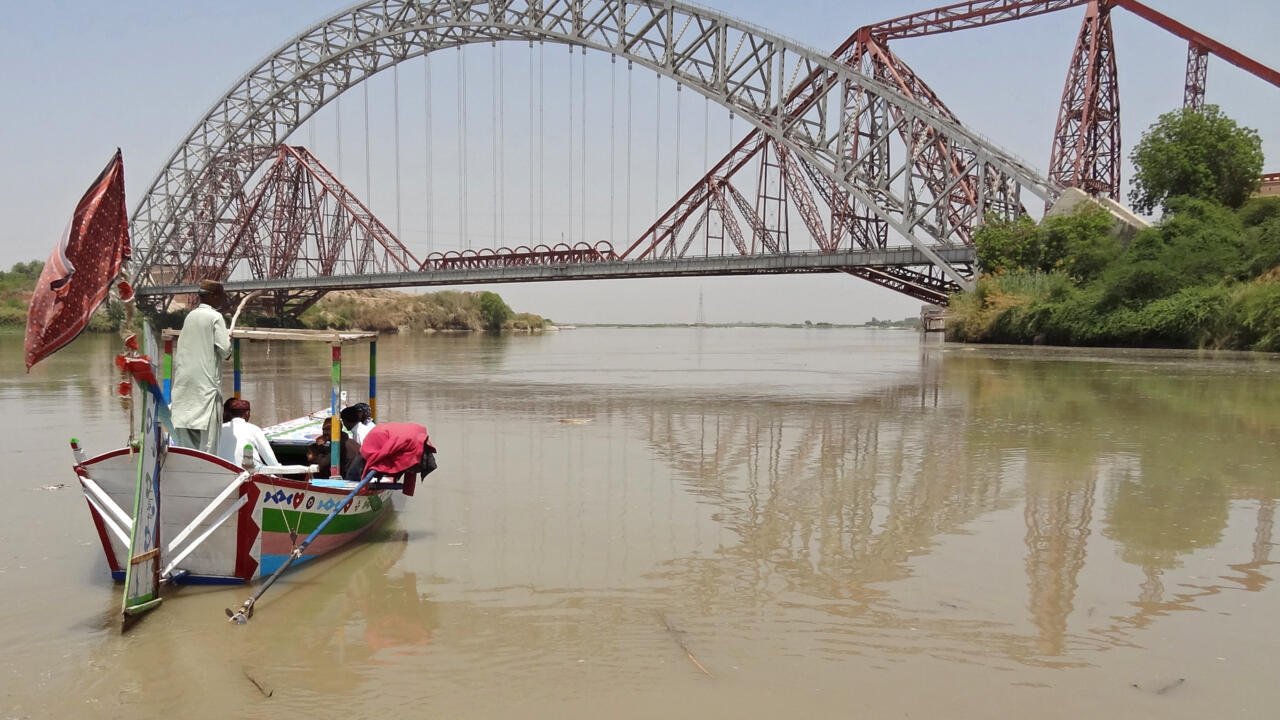
The 1960 treaty, brokered by the World Bank, serves as one of the few enduring diplomatic lifelines between nuclear-armed rivals India and Pakistan. It manages the flow of six rivers that originate in India before coursing into Pakistan, serving as a critical lifeline for hundreds of millions of people in both nations.
Tensions reached a breaking point in May 2025, when India announced it was suspending its membership in the treaty, citing Islamabad’s alleged role in a deadly attack on tourists in Indian-administered Kashmir. Pakistan has consistently denied these accusations.
Following the tribunal’s latest findings, the Indian Ministry of External Affairs issued a sharp rebuke, stating that it “categorically rejects its so-called award.” New Delhi maintains that the body is “illegally constituted” and insists that its decision to hold the treaty in abeyance remains in effect.
Legal Vindication for Islamabad
Conversely, Islamabad has hailed the ruling as a victory for international law. Pakistan’s Deputy Prime Minister and Foreign Minister, Ishaq Dar, took to social media to state that the decision “vindicates Pakistan’s consistent position that a binding international treaty cannot be unilaterally suspended or set aside.”
The court has ordered interim measures requiring India to pause construction on specific dam walls and provide regular progress reports to the tribunal. A final ruling by an independent expert is expected next year.
Water as a Geopolitical Flashpoint
The legal battle takes place against a backdrop of escalating rhetoric. Earlier this year, India’s Water Minister C.R. Patil vowed that the government would ensure “not a single drop of water” from the rivers would flow into Pakistan. Islamabad has previously warned that any attempt by India to alter the flow of these cross-border waterways could be viewed as an “act of war.”
Experts warn that water scarcity is rapidly becoming a dangerous flashpoint. With climate change threatening glacial melt and rapid population growth straining agricultural sectors—the backbone of both economies—the pressure on the Indus basin is intensifying.
As the Indus Waters Treaty continues to face unprecedented strain, the international community remains concerned that the collapse of such a long-standing framework could remove one of the last remaining avenues for diplomatic engagement between the two South Asian rivals, further destabilizing a region already marked by deep-seated hostilities.