







Strategic Trilateral Talks: Jaishankar, Rubio, and Sheikh Abdullah Align on Global Security in Mumbai
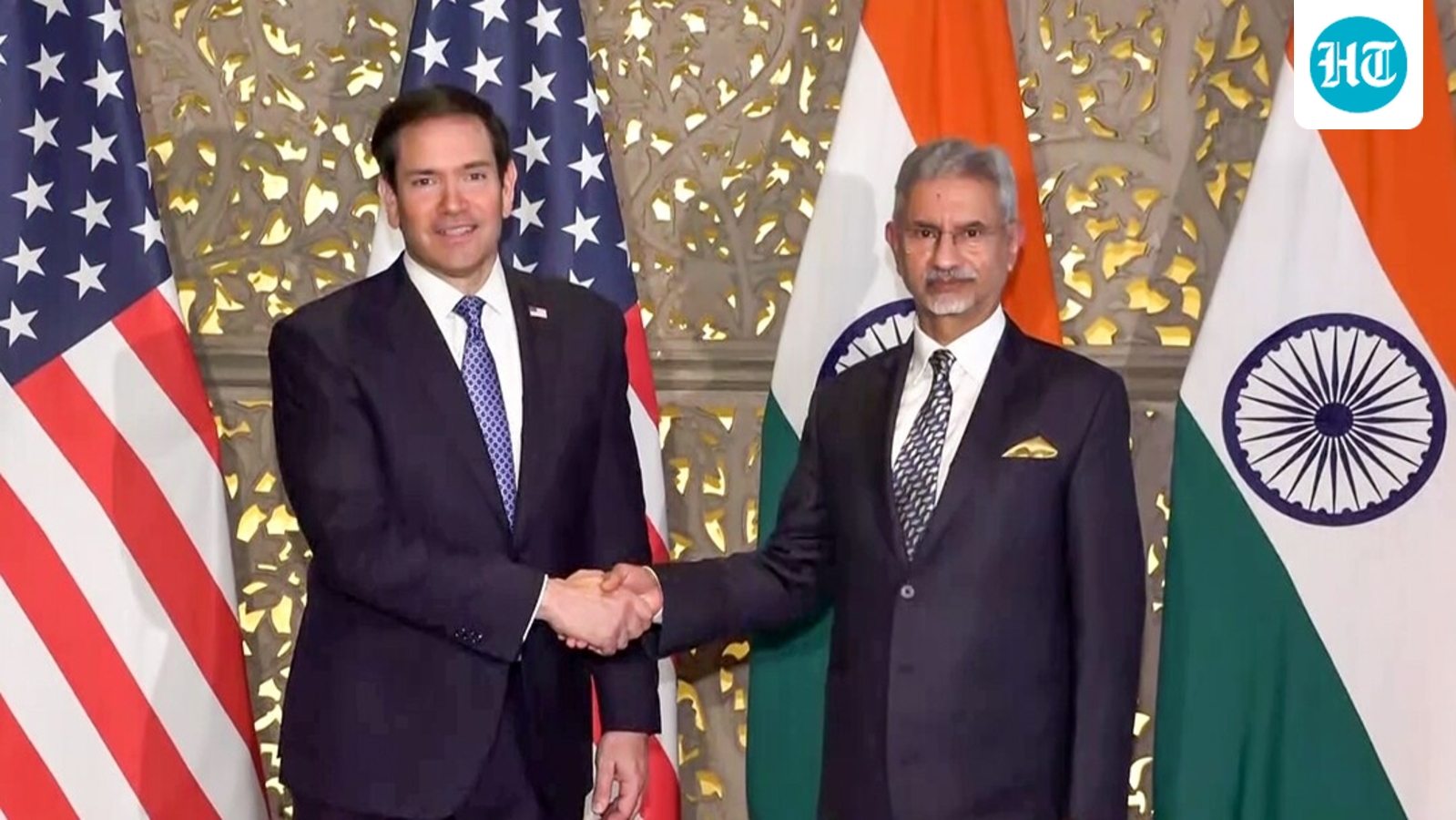
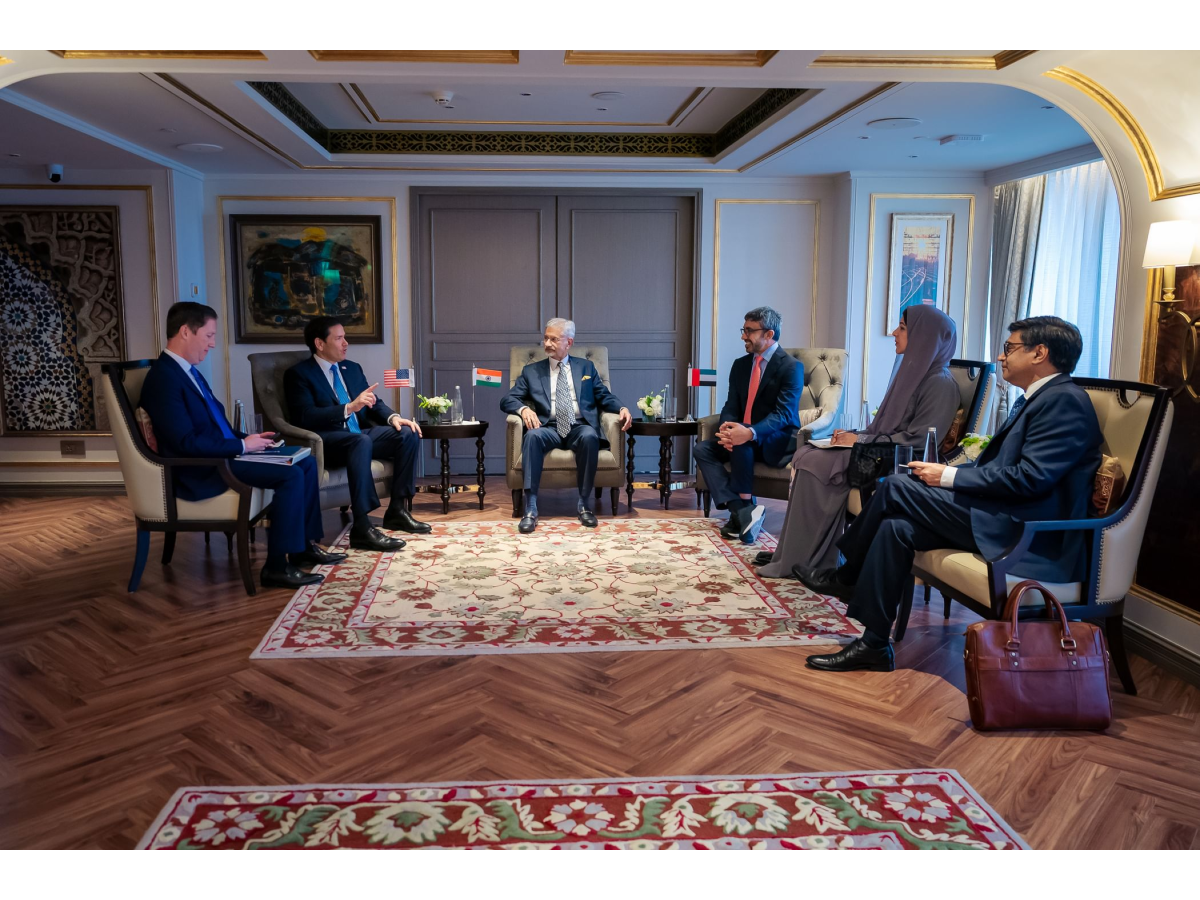
MUMBAI – In a significant high-level engagement that underscores the deepening geopolitical alignment between New Delhi, Abu Dhabi, and Washington, Indian External Affairs Minister Dr. Subrahmanyam Jaishankar hosted US Secretary of State Marco Rubio and UAE Foreign Minister Sheikh Abdullah bin Zayed Al Nahyan for a trilateral summit in Mumbai on Tuesday.
The meeting, which took place against the backdrop of an increasingly complex global landscape, served as a platform for the three nations to deliberate on a wide spectrum of strategic partnerships and regional security challenges. As India continues to solidify its role as a “leading power” and a bridge between Western allies and the Global South, this consultation highlighted the growing convergence of interests among the three partners.
Strengthening Trilateral Synergy
The discussions were centered on institutionalizing cooperation across several critical domains, including defense, technology, and economic integration. With the United States looking to diversify supply chains and the UAE emerging as a key investment hub for Indian infrastructure and energy projects, the trilateral format provides a unique avenue to streamline these synergies.
Diplomatic sources indicated that the ministers explored avenues to bolster the India-Middle East-Europe Economic Corridor (IMEC) framework, an ambitious initiative designed to foster connectivity and trade. By bringing together American technological prowess, Indian manufacturing capability, and Emirati financial and logistical reach, the three nations aim to create a robust alternative model for international infrastructure development.
Addressing Regional Stability and Global Challenges
Beyond trade and technology, the dialogue focused heavily on the prevailing security environment in the Middle East and the Indian Ocean Region. Minister Jaishankar, Secretary Rubio, and Sheikh Abdullah exchanged candid views on maritime security, counter-terrorism efforts, and the urgent need to maintain a rules-based international order.
The leaders expressed a collective concern regarding the volatility in various conflict zones and emphasized the necessity of diplomatic solutions to prevent further regional escalation. The discussions reflected a shared commitment to fostering prosperity, with a specific focus on how these three nations can collaborate to support the developmental aspirations of emerging economies.
“The conversation was wide-ranging and substantive,” a spokesperson for the Ministry of External Affairs noted following the meeting. “There is a clear mutual understanding that the India-UAE-US partnership is no longer just bilateral in nature but is rapidly evolving into a potent force for regional stability and global economic growth.”
A New Chapter in Strategic Diplomacy
The meeting in Mumbai is being viewed by analysts as a litmus test for the “minilateral” approach to foreign policy. By focusing on practical, goal-oriented cooperation, India is effectively navigating the competing interests of global powers while securing its own strategic autonomy.
As the session concluded, the ministers reaffirmed their intention to maintain regular high-level communication to translate these discussions into actionable outcomes. With the U.S. seeking to bolster its footprint in the Indo-Pacific and the UAE aggressively pursuing a policy of economic diversification, the alignment with India appears to be a cornerstone of their respective long-term foreign policy strategies.
This trilateral engagement sends a clear message to the international community: the convergence of these three influential nations is set to play a pivotal role in shaping the geopolitical and economic architecture of the 21st century.
Disclaimer: This content is auto-generated for informational purposes only.
Source: Read Original News