





Washington Launches “Economic D-Day” Against Iran, Targeting Global Trade Lifelines
The United States has launched an aggressive new campaign—dubbed “Economic D-Day”—aimed at systematically isolating Tehran from the global financial system. The White House announced Monday that it will aggressively pursue penalties against any entities, regardless of their nationality, that continue to facilitate commerce with Iran.
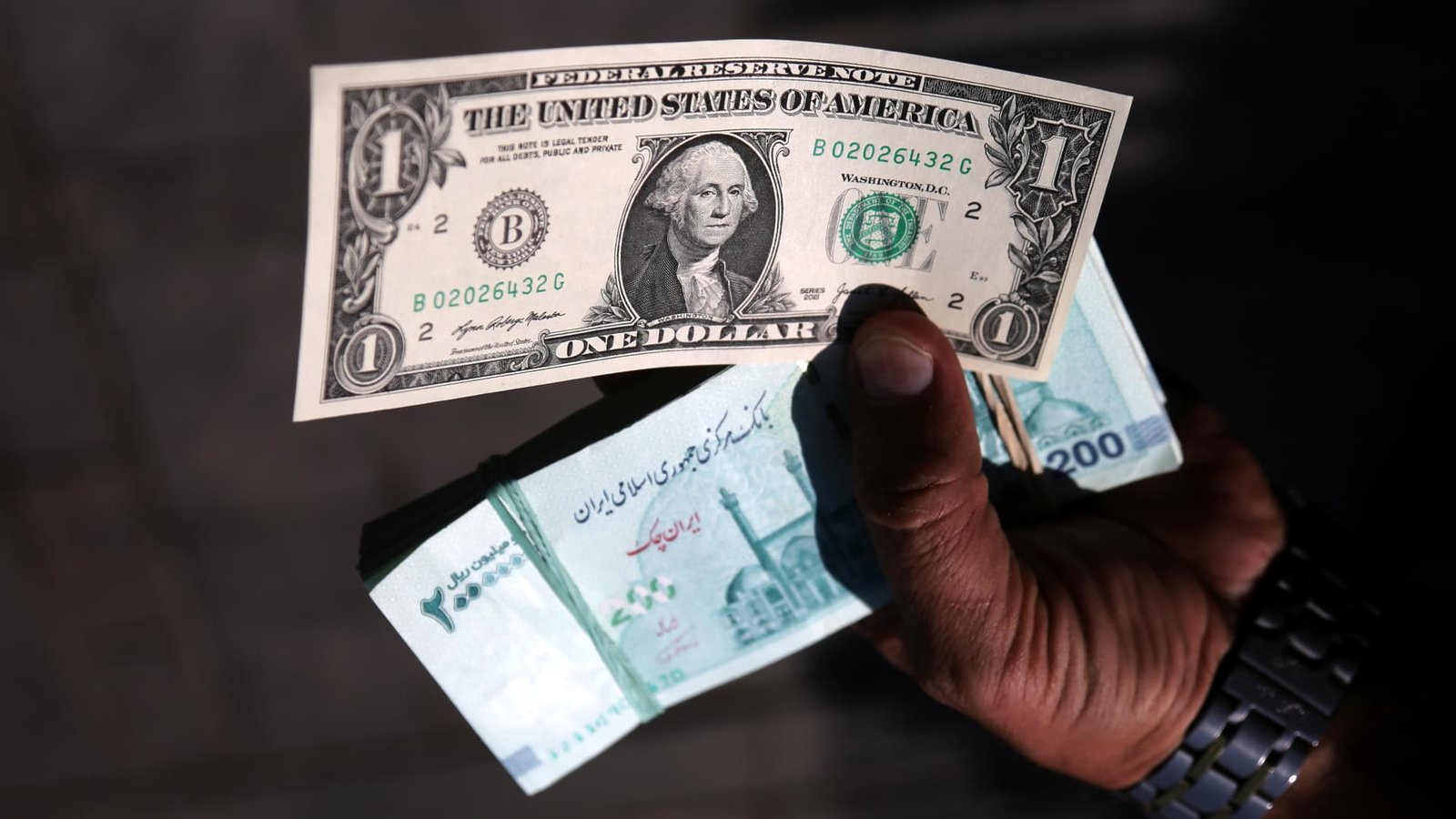
The initiative marks a significant escalation in Washington’s strategy to sever the trade lifelines that have sustained the Iranian economy through nearly six months of conflict. As the Iranian toman hit an all-time low of 200,000 to the U.S. dollar on the free market this week, the pressure from Washington signals a new, high-stakes collision course with Tehran’s primary economic partners.
Beijing’s Delicate Balancing Act
China remains Tehran’s most critical economic partner, accounting for roughly 90% of Iran’s total oil exports. According to the U.S.-China Economic and Security Review Commission, bilateral trade reached nearly $10 billion in 2025, a figure that excludes an estimated $31 billion in “shadow” crude exports.
While Beijing has publicly rejected the new U.S. measures, experts suggest the reality is more nuanced. “There is a dichotomy between the official statement and the private practice,” said Dan Wang, China director at Eurasia Group. She noted that Chinese authorities are highly sensitive to their access to the U.S. dollar and Western markets, predicting that Beijing will likely “quietly step up compliance” among state banks to avoid the sting of secondary sanctions.
The UAE: From Trade Hub to Financial Firewall
The United Arab Emirates, long a gateway for Iranian trade, finds itself at a turning point. Following two ballistic missile incidents near Emirati territory—including attacks on tankers—the UAE has suspended financial transactions with Iran.
Historically, Dubai has served as a center for “shadow banking” and opaque transshipment, according to The Washington Institute. Washington is now leaning heavily on leaders in Abu Dhabi to ensure that Dubai’s financial sector strictly enforces the new restrictions, effectively closing one of Iran’s most vital economic “back doors.”
Turkey, Iraq, and India Caught in the Crossfire
The U.S. directive poses significant challenges for regional neighbors that rely on Iranian energy:
- Turkey: Despite attempts to diversify its energy mix, Turkey remains dependent on Iranian gas. With a 25-year supply contract having expired in July, Ankara is in a precarious position, facing pressure to abandon a source that accounts for nearly 19% of its natural gas imports.
- Iraq: Iraq’s power grid remains tethered to Iran, with more than 30% of its electricity generated by Iranian-supplied gas. New U.S. penalties threaten to disrupt the $4 billion to $5 billion in annual payments Baghdad makes for these energy imports, potentially triggering a power crisis in the country.
- India: Having only recently resumed crude oil imports from Iran in April, India is now being forced to choose between its energy needs and access to the U.S. financial system. Washington has signaled that it will not spare Indian refiners from the reach of its latest enforcement efforts.
As the U.S. administration prepares to turn the screws on international supply chains, global markets are bracing for potential volatility. Whether Washington’s “economic D-Day” succeeds in forcing a change in Tehran’s behavior, or merely pushes the Iranian economy further into the shadows, remains the central question for the coming months.