







Escalating Trade War: Trump Threatens 50% Tariffs on Canadian Autos and Steel
WASHINGTON — The economic standoff between Washington and Ottawa intensified on Monday as President Donald Trump threatened a fresh wave of 50% tariffs on Canadian automobiles, trucks, parts, and steel, effective January 1. The escalation follows a weekend of deteriorating diplomatic ties after trade negotiations collapsed, leading to a tit-for-tat exchange of duties that threatens to upend the North American supply chain.
Taking to Truth Social, President Trump leveled sharp criticism at the Canadian leadership, labeling the country “among the worst Nations in the World to deal with.” The president’s threat arrives on the heels of new duties that took effect early Saturday, which targeted a broad range of Canadian exports, from construction materials to hockey sticks.
“Canada has been ripping off the United States of America for years,” Trump wrote. “On Trade, and in other ways, also, they are among the worst Nations in the World to deal with.”
A Relationship Under Strain
The diplomatic rift widened Friday when Canadian Prime Minister Mark Carney pulled his negotiators from talks in Washington, characterizing the U.S. proposals as “uneconomic” and “unfair.” By early Saturday, the U.S. had implemented a series of duties—referred to as Section 338 tariffs—leading Canada to pledge a dollar-for-dollar retaliatory response.
Prime Minister Carney, speaking to reporters in Ottawa, did not mince words regarding the severity of the situation. “You’re at war when you get attacked,” he said, framing the U.S. actions as an assault on a decades-long ally.
While U.S. Trade Representative Jamieson Greer attempted to downplay the economic fallout on CNBC, describing the impact as affecting a “very small amount of trade,” regional leaders in Canada are preparing for a long-term conflict.
The Threat of “Economic War”
Ontario Premier Doug Ford issued a blistering response to the president’s latest threats, accusing the U.S. administration of declaring “economic war” against its closest partner. Ford signaled that Canada is prepared to use significant leverage to protect its interests, including potential restrictions on the flow of electricity and critical minerals to the United States.
“I’ll cut them off,” Ford said, specifically addressing the export of critical minerals. “You won’t get a grain of sand out of Ontario.”
President Trump responded sharply to the threat on social media, warning that “someone should get these clowns to ‘fall in line’ or, the consequences for Canada will be far WORSE!”
Impacts on the North American Auto Industry
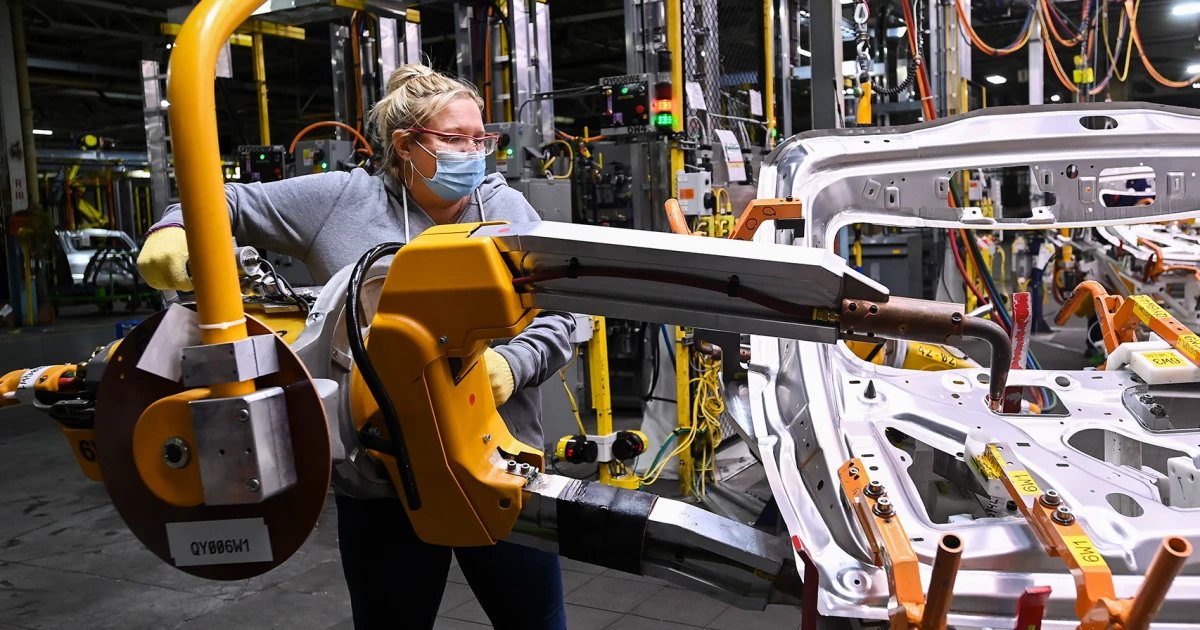
Economists are particularly concerned about the impact on the automotive sector, which relies on a deeply integrated supply chain where parts and vehicles frequently cross the border multiple times during the manufacturing process.
The move marks a significant departure from the stability intended by the United States-Mexico-Canada Agreement (USMCA). Uncertainty has surrounded the pact since July 1, when the Trump administration announced it would not renew the USMCA in its current form, opting instead for a cycle of rolling annual reviews.
As the conflict deepens, analysts fear that the latest wave of tariffs could cause permanent damage to a trade relationship that saw over $380 billion in goods move across the border in 2025.
For now, the path back to the negotiating table remains obstructed. Prime Minister Carney stated Monday that Canada would not return to discussions until the United States demonstrates a shift in attitude, rejecting the notion that Canada should be treated as a “subsidiary” of the U.S. economy.
“An attitude at the negotiation table that Canada is a subsidiary of the United States, that Canadian industry is going to be disadvantaged relative to American industry, is not something we would accept,” Carney said.