








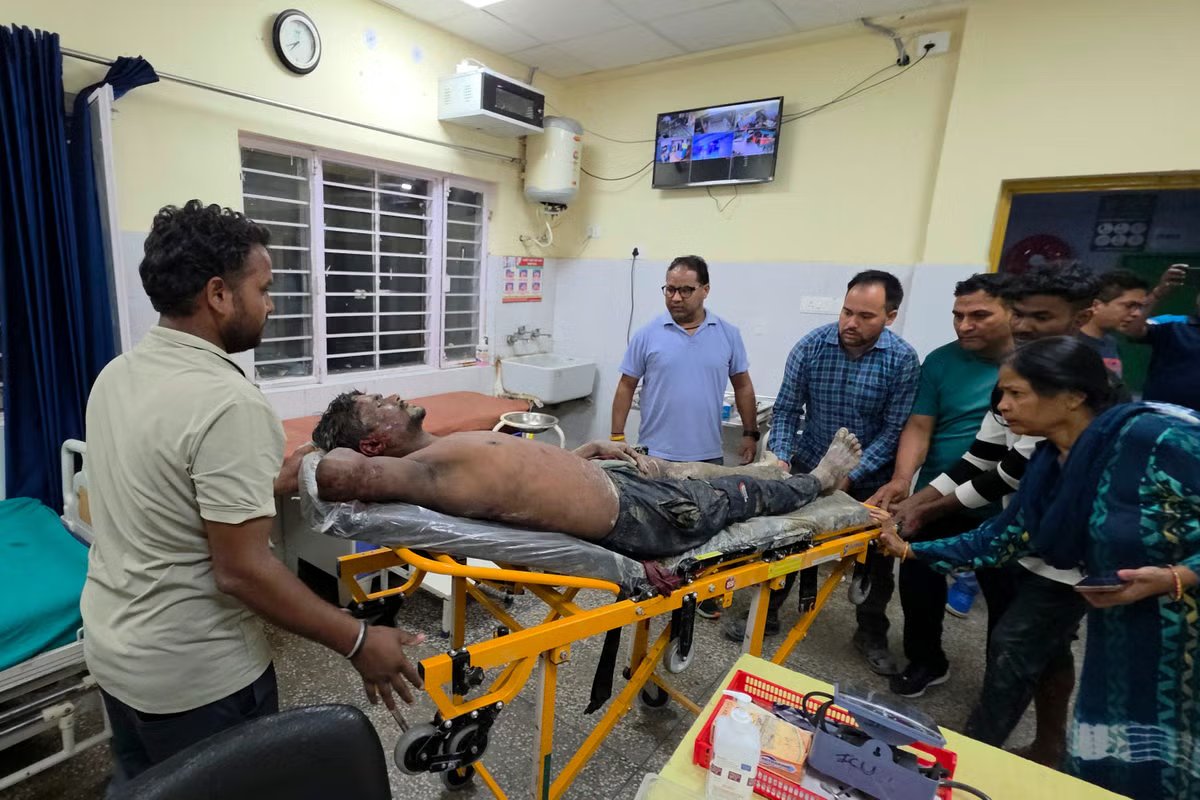
A tragic incident unfolded in the northern Indian state of Uttarakhand, where a section of a tunnel under construction as part of the Vishnugad-Pipalkoti hydroelectric project experienced a sudden collapse. This catastrophic event, which occurred late Thursday night, resulted in the loss of at least seven lives.
Officials reported that a surge of water and debris inundated the tunnel within the Chamoli district, trapping numerous workers. A comprehensive rescue operation was immediately initiated following the collapse. Out of the 22 individuals present in the tunnel at the time of the incident, 12 were successfully rescued, while three others remain unaccounted for. Pushkar Singh Dhami, the Chief Minister of Uttarakhand, provided these figures to the press.
The rescue efforts are being spearheaded by a multi-agency task force, comprising teams from the National and State Disaster Response Force, the Indo-Tibetan Border Police, and local fire services. These teams are battling challenging conditions, including rising water levels and continuous debris flow, as they desperately search for the missing workers. Amrit Lal Meena, commander of the National Disaster Response Force team, described the scene: “When our team reached the site and started the operation, there was a lot of water inside the tunnel and water was also seeping from the sides. Since then, the water level has increased considerably.”
This incident underscores the inherent risks associated with large-scale infrastructure projects in India, particularly in its geologically sensitive regions. The country is currently undergoing rapid infrastructure development, which often clashes with fragile geological formations, potential construction shortcomings, severe weather patterns, and sometimes inadequate safety protocols. The Himalayan region, with its unstable mountains, seismic activity, and unpredictable underground conditions, presents a particularly hazardous environment for tunnel construction.
Previous incidents highlight this persistent danger. In February, a coal mine explosion in the neighboring state of Meghalaya claimed the lives of at least 18 workers. More recently, in 2023, a section of another tunnel in northern Uttarakhand collapsed, trapping 41 workers for 17 days before their eventual rescue. These recurring tragedies emphasize the critical need for stringent safety measures and thorough geological assessments in such high-risk undertakings to prevent further loss of life.