







Strategic Resilience in a Volatile Aviation Landscape
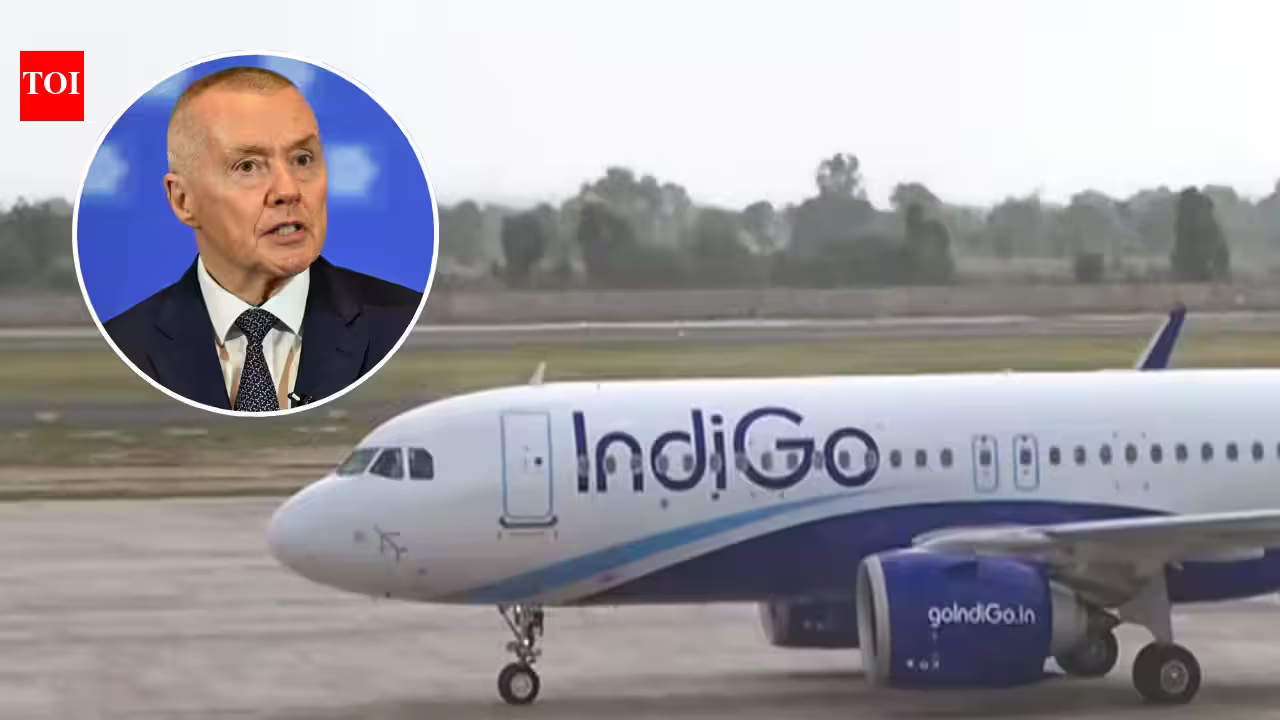
The global aviation sector is currently navigating a period of profound uncertainty, characterized by fluctuating fuel prices, currency volatility, and supply chain constraints. For India’s largest carrier, IndiGo, these macroeconomic headwinds have manifested in a challenging fiscal performance, highlighted by a net loss of Rs 1,879.1 crore in the July-September quarter. However, under the guidance of newly appointed CEO Willie Walsh, the airline is pivoting toward a strategy that balances immediate fiscal discipline with long-term structural expansion.
The core of this strategy lies in the ability to maintain a competitive cost base while continuing to serve a massive, under-penetrated domestic market. Despite a 67.2% surge in fuel expenses—a primary driver of the recent quarterly losses—IndiGo has demonstrated resilience by focusing on operational efficiency. The airline’s decision to modestly reduce capacity by 1% in the September quarter signals a cautious approach to inventory management. By aligning capacity with actual demand, the carrier aims to protect yields and manage the pressure on profit margins that has been exacerbated by the depreciation of the rupee against the dollar.
Navigating the Financial Headwinds
IndiGo’s financial performance reflects the systemic pressures inherent in the Indian aviation ecosystem. With fuel costs representing a significant portion of total operating expenses, any volatility in global crude prices directly threatens the bottom line. The current fiscal environment has forced the airline to re-evaluate its short-term financial trajectory. While total income grew by 24% year-on-year to Rs 24,311.9 crore, the disproportionate rise in operating costs underscores the vulnerability of even the most efficient airlines to external economic variables.
Management is now emphasizing internal cost control measures to mitigate these pressures. This focus extends beyond fuel hedging or fuel efficiency protocols; it involves a holistic review of operating expenditures. Despite the recent quarterly loss, the company maintains a robust balance sheet with a cash reserve exceeding Rs 52,000 crore. This liquidity position provides the necessary buffer to navigate persistent inflationary trends while allowing the airline to continue its investments in fleet modernization and infrastructure integration, ensuring that short-term fiscal volatility does not derail long-term strategic objectives.
The Pivot Toward Long-Haul Connectivity
A defining feature of IndiGo’s future roadmap is its strategic entry into the wide-body market. The confirmation that the airline expects to begin receiving Airbus A350 aircraft by the second quarter of 2028 marks a transformative chapter for the carrier. For years, IndiGo dominated the domestic landscape and short-haul international routes with its narrow-body fleet. Transitioning to wide-body operations allows the airline to participate in the lucrative long-haul segment, connecting Indian travelers directly to global financial and transit hubs without the need for stopovers in third-country airports.
The rationale for this move is supported by the changing demographics and economic profile of the Indian traveler. As demand for direct connectivity to Europe, North America, and beyond increases, the A350 will allow IndiGo to leverage its massive domestic feeder network to populate long-haul flights. Success in this segment will require the airline to adapt its low-cost DNA to a different service model, one that balances affordability with the comforts required for international travel. The leadership is confident that the airline possesses the logistical, technological, and operational foundations to execute this shift successfully.
Strategic Infrastructure and the Navi Mumbai Expansion
Aviation growth in India is intrinsically tied to infrastructure development. The upcoming Navi Mumbai International Airport represents a critical node in IndiGo’s network expansion. By designating this new facility as a key operating base, the airline is proactively positioning itself to capture the next wave of demand in the Mumbai Metropolitan Region. This move is not merely about increasing flight frequency; it is about infrastructure synergy.
Navi Mumbai offers the physical footprint necessary to accommodate the airline’s growing fleet, which now exceeds 400 aircraft. With daily operations already surpassing 2,100 flights, the current infrastructure at major metros is nearing capacity, leading to constraints in slot availability and airport congestion. By diversifying its operations between existing hubs and the new Navi Mumbai facility, IndiGo is optimizing its network efficiency. This geographic diversification is essential for maintaining the high aircraft utilization rates that have traditionally formed the backbone of the airline’s business model.
Market Outlook and Competitive Positioning
The Indian aviation market remains one of the fastest-growing in the world. Despite the current cooling in passenger growth—evidenced by a 4.7% decline in passenger numbers during the September quarter—the long-term trajectory for Indian air travel remains positive. Rising disposable incomes and a growing middle class continue to drive demand, ensuring that the airline remains relevant in a crowded market.
The competitive landscape is also evolving. As other players consolidate or recalibrate their own business models, IndiGo’s primary challenge is to maintain its market share while managing the inherent risks of a capital-intensive industry. The management’s focus on the long-term, particularly in the face of temporary losses, indicates a belief that market leadership will be rewarded to those who can withstand the current cost environment. By maintaining a lean operation and investing in wide-body capability, the airline is preparing for a future where Indian carriers capture a larger portion of the international traffic that has historically been dominated by foreign legacy airlines.
In conclusion, IndiGo stands at a pivotal juncture. The transition from a domestic-focused low-cost carrier to a global player with long-haul capabilities is a complex undertaking, made more difficult by immediate economic pressures. However, through stringent cost management, strategic infrastructure utilization, and a disciplined approach to fleet expansion, the airline is navigating these challenges with a clear vision. The path forward will be dictated by how effectively the airline balances its commitment to low-cost efficiency with the elevated operational demands of a wide-body fleet, ultimately aiming to stabilize profitability while cementing its position as the preeminent force in Indian aviation.
Disclaimer: This content is auto-generated for informational purposes only.
Source: Read Original News