






The Technical Shift Behind the Delay of Pokemon Winds and Waves
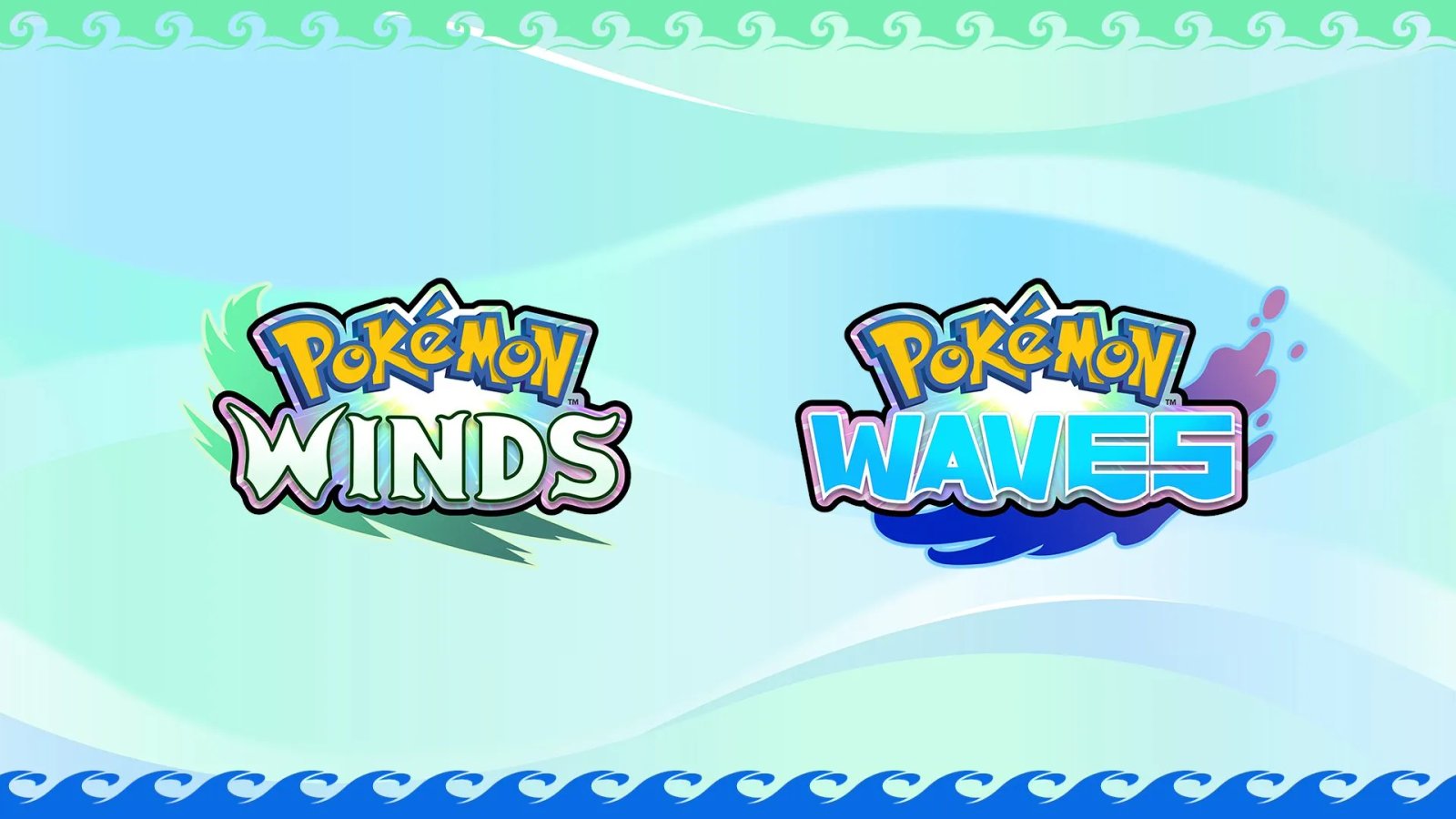
The gaming industry is no stranger to the concept of the last-minute delay, but the postponement of the highly anticipated Pokemon Winds and Pokemon Waves represents a significant logistical challenge for The Pokemon Company. Originally slated for a November 2026 launch, these titles—destined for the next-generation Nintendo Switch 2 hardware—have been pushed back to November 2027. This decision, finalized in early 2026, stems from a technical need to ensure the software meets the high performance and stability benchmarks required for new hardware architecture.
Transitioning a flagship franchise to a successor console requires more than just simple upscaling of assets. The developers are moving toward a more complex engine infrastructure, likely to leverage the increased processing power, improved graphical output, and potential hardware-level ray tracing capabilities of the Switch 2. When a game of this scale is not deemed ready, it signifies that the optimization of the code, frame rate stability, or asset streaming processes failed to pass internal quality assurance metrics. By choosing to delay, The Pokemon Company is opting for a refined, stable product over a rushed, buggy launch, a necessary maneuver given the technical expectations surrounding the next console generation.
Operational Consequences for Multimedia Synchronization
The delay of Pokemon Winds and Waves has created a ripple effect that extends far beyond the development studio. The Pokemon franchise operates as an integrated ecosystem, where the core games, animated series, and licensed merchandise must launch in tight synchronization to maximize market impact. With the game moved to late 2027, the production team faced an immediate crisis regarding the scheduling of the current anime series, Pokemon Horizons.
Originally, the narrative arc of Pokemon Horizons was intended to conclude at episode 136, with an immediate transition into a bridge arc designed to tease the Generation 10 elements introduced in Winds and Waves. The producers had planned for specific character introductions, including a new creature named Konetsu. However, once the decision to delay the games was confirmed, the team had to pivot rapidly. The planned Konetsu arc, which served as a direct marketing funnel for the game, was deemed premature. In a scramble to fill the narrative gap, the production replaced the Konetsu reveal with a placeholder, specifically using the character Ditto, to maintain continuity while keeping the major Gen 10 reveals under wraps until the game’s new release window.
Navigating the Anime Production Hiatus
To address the misalignment between the games and the media properties, The Pokemon Company has initiated a strategic hiatus. The Pokemon Horizons anime is scheduled to go on a temporary break starting in March 2027, extending through the summer months. This pause is a direct result of the core product’s delay, serving as a tactical retreat to ensure the show’s eventual climax aligns with the late 2027 game launch.
This hiatus is not merely an administrative choice; it is a technical necessity for the production team. By pausing, the studio can effectively recalibrate the remaining episodes into a condensed 25-episode arc. This “Gen 10 transition arc” will now debut in late 2027, serving as the official lead-in to the launch of Winds and Waves. By re-aligning the narrative release with the game’s release, the studio ensures that players engaging with the new software are greeted by familiar creatures and lore that they have just witnessed on screen, reinforcing the brand synergy that defines the Pokemon experience.
Long-Term Roadmap and Studio Strategy
Looking further ahead, the logistical fallout from this delay has effectively pushed back the production timeline for the next generation of animation. Pre-production for the follow-up series to Pokemon Horizons is currently in the early stages, but because of the cascading delays, stakeholders do not expect a launch until 2029. This extended timeline suggests a shift in how The Pokemon Company handles project development cycles. It indicates a move toward more robust, long-term planning cycles that account for hardware transitions, ensuring that when a new project launches, it is backed by a fully realized multimedia support structure.
A notable takeaway from these internal updates is the status of legacy content. Despite the turmoil, there are no plans to reintroduce Ash Ketchum as a central figure. The direction remains firmly rooted in the multiregional focus established in recent years. This confirms a commitment to a broader, global narrative scope rather than a character-centric one, allowing the developers more freedom to iterate on the gameplay mechanics of Winds and Waves without being constrained by the established history of previous protagonists.
Impact on the Switch 2 Ecosystem
For the Nintendo Switch 2, the launch of Pokemon Winds and Waves is a fundamental anchor for the console’s initial success. When a major exclusive title is delayed, it places pressure on the rest of the software catalog to carry the hardware launch. However, by delaying the release, the company ensures that the software will be optimized for the specific hardware profile of the new console, avoiding the performance issues that often plague cross-generation titles.
The impact of this decision, while disruptive in the short term, ensures that the transition to the Switch 2 is as seamless as possible for consumers. By aligning the software launch with a cohesive media rollout in late 2027, The Pokemon Company is aiming to create a “event” release, utilizing the combined weight of the video game, the renewed anime episodes, and the integrated merchandise to capture the market’s attention. This underscores a shift toward a more deliberate, quality-first approach that prioritizes long-term brand equity over hitting arbitrary, early-lifecycle release dates.
Disclaimer: This content is auto-generated for informational purposes only.
Source: Read Original News