









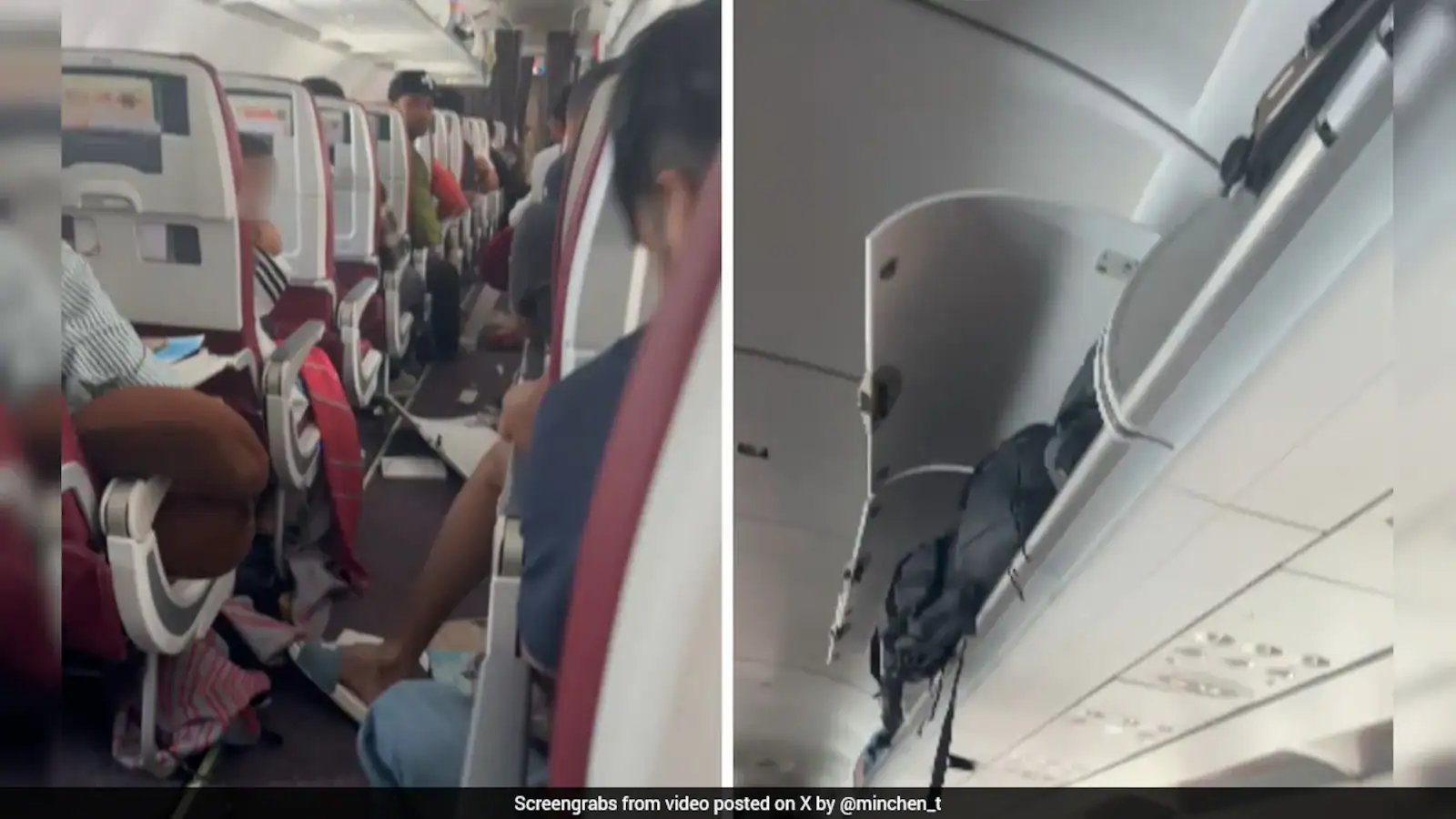
New Delhi: An Air India flight from Phuket to Delhi, which resulted in injuries to 17 passengers and crew due to severe turbulence, is now at the center of a perplexing investigation. While initial reports attributed the incident involving an Airbus A-320 to turbulence, emerging information suggests a triple hydraulic failure may have caused a sudden and unexpected drop in altitude—an unprecedented event for the A-320 model.
Airbus, the French aircraft manufacturer, has confirmed its involvement in the investigation. In an official statement today, Airbus announced, "In accordance with ICAO Annex 13, Airbus is providing technical assistance to the relevant investigating authorities. We are actively supporting the airline and will provide further information as it becomes available. A team of specialists is being dispatched to assist with the investigation."
Notably, a report from the Civil Aviation Ministry regarding the incident, which occurred while the aircraft was flying over Odisha, conspicuously omitted any mention of "turbulence."
Several perplexing questions have arisen concerning the pilot’s conduct. Even if the pilot encountered a critical situation such as a triple hydraulic failure, it is considered inexplicable for them to have been in the rear of the aircraft. A fundamental rule in aviation mandates that pilots remain at the controls during such emergencies. This raises a significant question: if a situation warranted a Mayday call, why was the pilot not in the cockpit, especially given the potential for passenger injuries?
Further compounding the mystery is the pilot’s decision not to land at the nearest available airport after experiencing what could be considered a major technical failure. Instead, the pilot continued the flight to Delhi.
Adding another layer of complexity, the pilot-in-command of the Tata-owned airline tested positive for psychoactive substances during post-flight screening in Delhi. However, it is generally considered highly unlikely for an experienced Airbus commander to engage in recreational drug use before operating a flight with over a hundred lives in their hands. Furthermore, failing a drug test does not definitively indicate recreational substance use; certain prescription medications can also trigger a positive result. Pilots are required to obtain clearance from airline doctors for such medications. The final results of the drug tests are still pending.