






A Shift in Hardware Design Philosophy
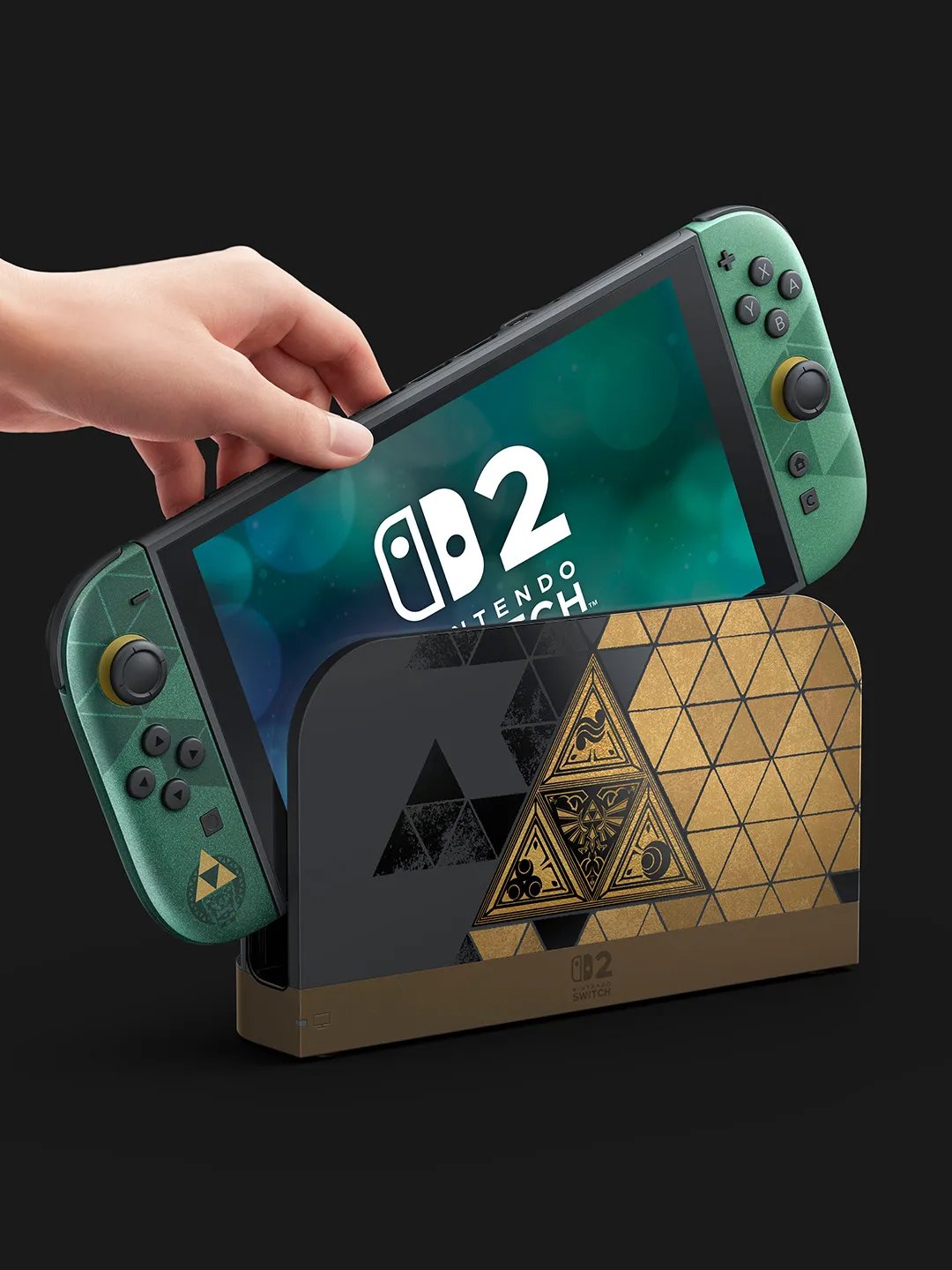
The recent discovery regarding the Nintendo Switch 2, specifically the Legend of Zelda 40th Anniversary Edition, marks a significant departure from Nintendo’s historical approach to hardware maintenance. Retail listings from Smyths in the United Kingdom have confirmed that these units now feature a user-replaceable battery design. This revelation arrives as a surprise to the gaming community, as earlier reports suggested that the console and its corresponding Pro Controller would utilize a sealed battery architecture, consistent with the original Switch and previous generation consoles.
This design pivot is noteworthy because it directly addresses one of the most prominent points of criticism regarding modern consumer electronics. For years, the move toward integrated, non-removable batteries has forced users to either rely on professional repair services or discard functional devices once their power cells reached the end of their chemical lifecycle. By enabling users to swap the battery themselves, Nintendo is effectively extending the usable lifespan of the console, ensuring that the hardware remains operational long after the battery capacity degrades.
Technical Specifications of the Replaceable Battery
From a technical standpoint, the integration of a user-accessible battery compartment requires a shift in chassis engineering. Unlike traditional sealed units, this design involves a secure yet accessible hatch, likely utilizing a standardized locking mechanism that keeps the battery protected while allowing for quick access. This implementation maintains the structural integrity of the console while simultaneously adhering to safety standards for lithium-ion power management.
For the Pro Controller, the inclusion of a replaceable battery is an even more substantial upgrade. Controllers are subject to frequent charge-discharge cycles, which naturally accelerate battery degradation. Previously, if a controller’s battery failed, the device essentially became tethered to a power cable or necessitated a complete replacement. With this update, users can simply purchase a spare power module, swap it in minutes, and restore the controller to its original performance capabilities. This change suggests that the internal layout of the Pro Controller has been re-engineered to accommodate a modular power cell without compromising the ergonomic requirements of the peripheral.
Impact on Longevity and Sustainability
The broader industry impact of this design change cannot be overstated. As global regulations regarding electronic waste and right-to-repair initiatives gain momentum, Nintendo’s transition to user-serviceable hardware serves as a proactive response to these pressures. By simplifying the process of battery replacement, the company reduces the number of units that end up in landfills due to minor component fatigue.
For the consumer, the impact is primarily financial and functional. The ability to perform a self-repair lowers the total cost of ownership over the product’s life. Furthermore, it allows enthusiasts to maintain their specific special edition hardware—such as the Zelda 40th Anniversary model—indefinitely. This model creates a more durable ecosystem where the longevity of the console is no longer tied to the longevity of a single internal chemical component. It provides a level of peace of mind that is rarely found in the current high-end gaming market.
Use-Cases for Modular Power
The convenience of a replaceable battery is not limited to repairs. In a mobile-first environment, this design facilitates extended gaming sessions during travel or remote play. For instance, a user could carry a pre-charged spare battery, effectively doubling the play time of the console without needing an external power bank or a wall outlet. This enhances the “Switch” functionality of the device, making it more practical for long-haul travel, camping, or professional use in environments where power access is inconsistent.
This design also benefits secondary market value. Consoles that have documented histories of battery maintenance are significantly more attractive to collectors and buyers. Because the battery is the most common point of failure for portable gaming devices, the ability to confirm that the unit is in peak health—or to replace a worn-out unit with a brand-new component—maintains the market value of the hardware for a much longer period than a sealed, non-serviceable unit.
Future Implications for Nintendo Hardware
The decision to include a replaceable battery in the Zelda 40th Anniversary Edition suggests that Nintendo may be standardizing this architecture across the wider Switch 2 lineup. While limited to a specific special edition at this moment, the logistical infrastructure required to manufacture these battery units implies that they will likely be sold as standalone accessories or through official repair channels.
If this trend continues, it would signify a major shift in how Nintendo approaches hardware development for the remainder of this console generation. It demonstrates a commitment to modularity that aligns with modern expectations for consumer technology. As the console matures, the availability of these batteries will serve as a bellwether for the company’s commitment to hardware longevity. By listening to feedback and adjusting the manufacturing process to prioritize accessibility, Nintendo has positioned the Switch 2 to be one of the most reliable and enduring gaming platforms in the company’s history, setting a new benchmark for console design and responsible manufacturing.
Disclaimer: This content is auto-generated for informational purposes only.
Source: Read Original News