









Property Insurers Brace for Autumn Claim Surge: A Call to Action for Brokers
As the UK transitions from a prolonged drought to the wetter months of autumn, a critical window of opportunity has emerged for property insurance brokers. Industry experts are urging a proactive review of client policies, particularly for those with properties situated on clay-soil ground, near heathland or woodland, or with older building stock. The impending autumn claims season, often exacerbated by environmental factors, necessitates immediate attention to mitigate potential financial repercussions for both insurers and policyholders.
Wildfire: A Growing Threat
One of the foremost concerns highlighted for brokers is the explicit mention or exclusion of wildfire in property wordings. The recent summers have underscored the increasing vulnerability of the UK to wildfires, previously considered a less significant threat. With changing climate patterns and drier conditions becoming more prevalent, properties in proximity to heathland or woodland face an elevated risk. Brokers must meticulously examine policy documents to ensure their clients are adequately covered against this escalating peril. The presence or absence of specific wildfire clauses can be the determining factor in the event of a devastating fire, and a clear understanding of these terms is paramount.
Rebuilding Costs Soar: Underinsurance Risks
A significant concern for property owners and their insurers is the adequacy of sums insured. Over the past year, rebuilding costs have seen a substantial 3.9% rise, adding another layer of complexity to policy reviews. This inflationary pressure means that many properties could now be significantly underinsured, leaving homeowners exposed to substantial out-of-pocket expenses should they need to rebuild after a major incident. Brokers have a professional obligation to advise clients on these increased costs and recommend adjustments to their policies to reflect the current market realities. Failure to do so could result in considerable financial hardship for policyholders and potential professional indemnity claims against brokers.
Subsidence Cover: A Post-Drought Imperative
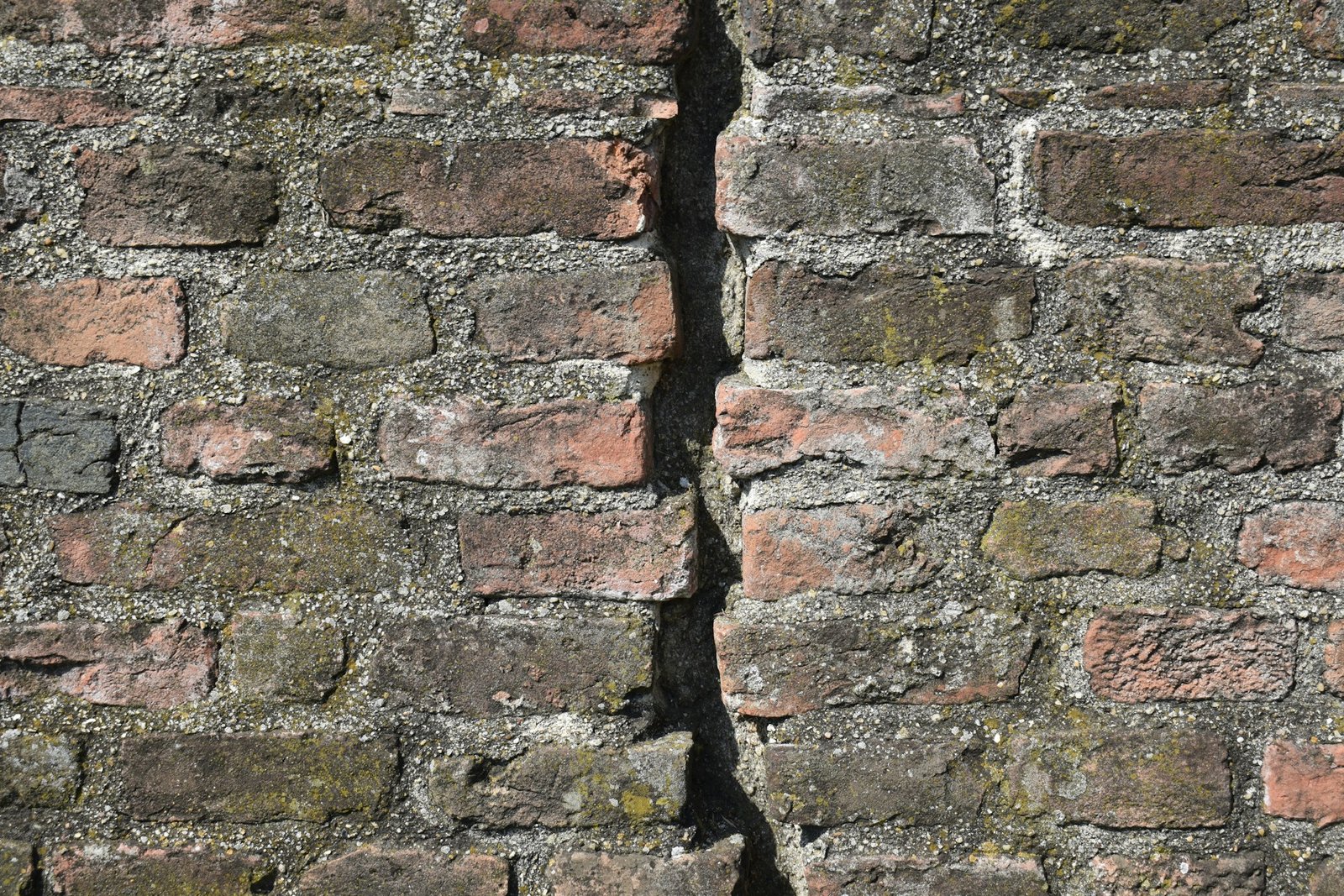
The prolonged drought conditions experienced across the UK have heightened the risk of subsidence, particularly for properties built on clay-soil foundations. As the ground dries and then rehydrates, it can shift and contract, leading to structural damage. Brokers are therefore strongly advised to review any excess structures on subsidence cover that have not been assessed since 2022. The 2022 drought and subsequent recovery periods may have significantly altered the risk profile for many properties, and older assessments may no longer be accurate. Revisiting these excess structures ensures that policyholders are not caught out by outdated terms and conditions, and that their subsidence cover remains robust and fit for purpose in the current environmental landscape.
Proactive Measures for a Secure Autumn
In summary, the message to property insurance brokers is clear: a proactive and thorough review of client policies is not merely good practice, but a critical necessity as the autumn claims season approaches. By addressing wildfire clauses, updating sums insured to reflect current rebuilding costs, and reassessing subsidence cover, brokers can provide invaluable protection and peace of mind to their clients. Ignoring these vital checks could leave policyholders vulnerable to significant financial losses and potentially damage the trust between client and broker. The window of opportunity is narrow, and decisive action is required to ensure a secure autumn for all stakeholders in the property insurance sector.