








The Anatomy of the United Fidelity Bank Collapse
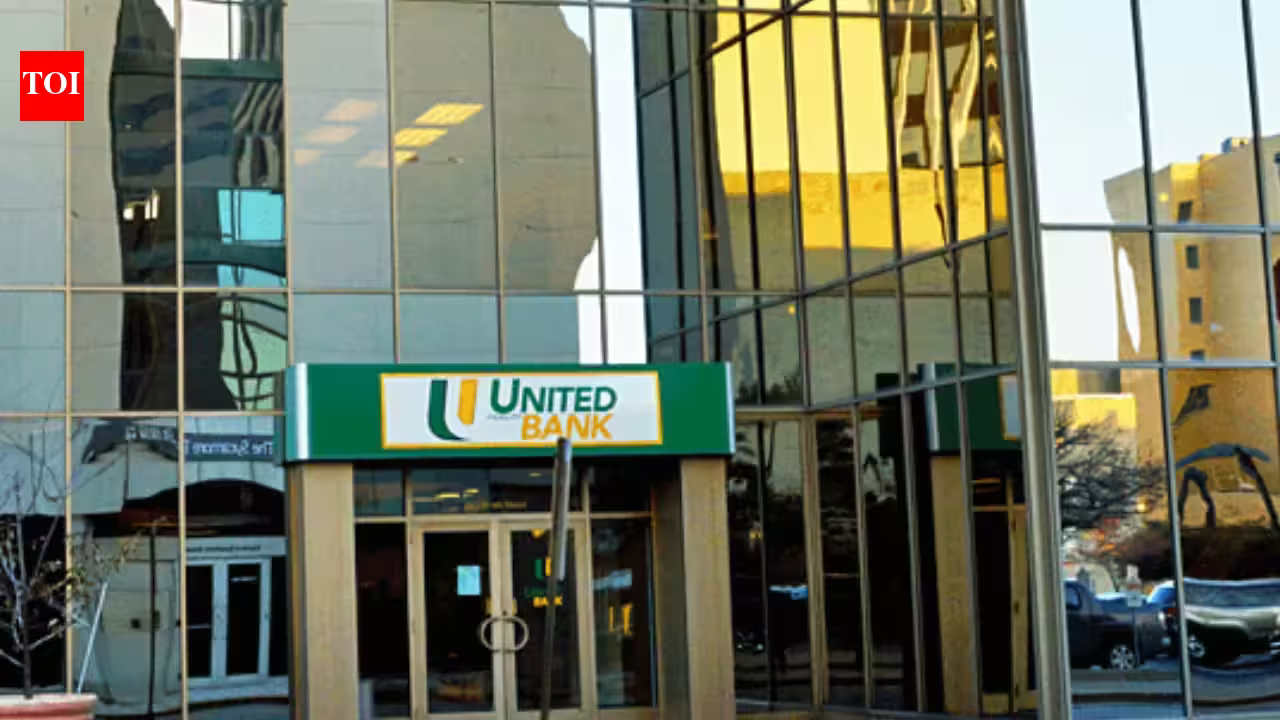
The recent closure of United Fidelity Bank by the Office of the Comptroller of the Currency (OCC) represents a significant inflection point in the current US financial landscape. As the largest bank failure in over two years, the event has triggered a rigorous review of mid-sized and regional financial institutions. The OCC’s determination that the bank was in an “unsafe or unsound condition” and unable to meet its financial obligations highlights the persistent risks inherent in localized lending models. With $5.9 billion in assets, United Fidelity was not a massive systemic entity, but its collapse serves as a cautionary tale regarding liquidity management, balance sheet composition, and the adequacy of regulatory oversight.
The transition process, managed by the Federal Deposit Insurance Corporation (FDIC), was executed with a focus on stability and continuity. First Citizens Bank, by absorbing the $4.5 billion in deposits and $3.1 billion in loans, has effectively mitigated the risk of a broader contagion. For customers, the impact was largely neutralized by the automatic nature of the transfer, ensuring that the primary goal—maintaining public confidence in the deposit system—was achieved. However, the $1.83 billion hit to the FDIC’s Deposit Insurance Fund underscores the tangible cost of bank failure, a financial burden that is ultimately socialized across the industry through assessments.
Analyzing the Mechanics of the Acquisition
The acquisition of United Fidelity Bank by First Citizens Bank is a study in opportunistic expansion during a period of market distress. First Citizens, which has established a reputation for navigating complex institutional failures, secured the deal through a competitive bidding process. The structure of this agreement—which involved a discount of approximately $2.6 billion on the acquired assets—reflects the inherent risk First Citizens assumed by integrating a distressed balance sheet. By avoiding a premium on deposits, the acquirer has shielded its own profitability from the immediate volatility of the acquisition.
From a strategic perspective, this purchase allows First Citizens to scale its physical footprint across diverse jurisdictions, including Indiana, Illinois, Colorado, Florida, and the US Virgin Islands. The inclusion of subsidiaries such as the real estate development and management firm Pedcor Homes adds a layer of complexity to the post-merger integration. For financial analysts, the core interest lies in whether this aggressive expansion will provide the necessary scale to improve efficiency ratios or if the absorption of high-risk real estate assets will present integration hurdles in the coming fiscal quarters.
Comparative Market Context: US vs. India
While the United Fidelity failure is a US-centric event, it offers profound lessons for the Indian banking sector. India’s regulatory framework, overseen by the Reserve Bank of India (RBI), has historically been more proactive in managing bank health. The Prompt Corrective Action (PCA) framework in India is designed to intervene far earlier than the typical US regulatory process, which often acts only once a bank reaches a point of insolvency. By restricting lending, limiting branch expansion, and capping dividend payments, the RBI typically forces institutional corrections long before a full closure becomes necessary.
In the Indian context, consolidation is often driven by strategic public sector mergers or high-profile acquisitions of distressed private lenders, such as the rescue of Yes Bank by a consortium of major lenders led by the State Bank of India. Unlike the US model, which relies heavily on the FDIC to step in post-failure, the Indian system emphasizes the prevention of systemic failure through institutional support and government-backed liquidity infusions. The United Fidelity incident serves as a reminder to Indian policymakers that even in a modernized economy, mid-tier banks are susceptible to localized shocks if their asset-liability maturity mismatch becomes too wide or if their credit quality deteriorates unexpectedly due to over-concentration in specific sectors like real estate.
Liquidity, Leverage, and the Regional Banking Challenge
The failure of United Fidelity exposes a recurring vulnerability in regional banking: the concentration of assets in interest-rate-sensitive industries. When a bank’s portfolio is heavily tied to real estate or specific geographic markets, any shift in the macro-economic environment—be it rising interest rates or a cooling housing market—can trigger a liquidity crisis. In the case of United Fidelity, the inability to manage these pressures while maintaining the required capital buffers made the institution a liability.
For stakeholders in the financial sector, the lesson is clear: capital adequacy ratios and stress testing must go beyond regulatory minimums. As banks look to expand, the temptation to chase higher yields through aggressive lending or real estate development often undermines the fundamental stability required for deposit-taking institutions. The current regulatory environment is signaling a shift toward more stringent monitoring of these variables. For banks in emerging markets like India, which are rapidly digitizing and expanding credit access, maintaining high liquidity coverage ratios is a critical defense against the type of localized failure witnessed in Indiana.
The Role of Regulatory Oversight in Modern Finance
The FDIC’s intervention, while effective at protecting depositors, highlights the limitations of purely responsive regulation. Modern banking requires constant monitoring of the interaction between digital banking speeds and institutional solvency. In an era where a liquidity run can happen in minutes due to digital banking and social media-driven sentiment, the window for regulators to intervene has shrunk. The United Fidelity failure underscores that the traditional timeline for identifying “unsafe or unsound” conditions may no longer be sufficient for the modern age.
The aftermath of this collapse suggests that regulatory bodies worldwide, including the RBI, are likely to move toward more continuous, data-driven supervision. By utilizing real-time financial reporting and integrated AI-based risk monitoring, regulators are aiming to identify capital erosion before it reaches the point of insolvency. The goal is to move from a “fail-and-resolve” model to a “monitor-and-mitigate” model. For the banking industry, this means higher compliance costs and a more granular level of scrutiny regarding the valuation of assets, especially in sectors that involve long-term project financing or real estate.
Future Outlook and Strategic Implications
As the banking industry integrates these lessons, we can expect to see a period of consolidation among smaller, regional players. Institutions that cannot demonstrate robust risk management or adequate diversification are increasingly becoming targets for larger, more stable entities. The success of First Citizens in absorbing United Fidelity suggests that large-scale, well-capitalized institutions will continue to be the “white knights” of the financial system, acting as a backstop for institutional failures.
However, the risk is that this process creates “too big to fail” scenarios on a larger scale, concentrating risk within a handful of massive banking giants. As policymakers navigate these waters, the balance between fostering a competitive banking environment and ensuring systemic stability will remain the primary challenge. For the Indian banking ecosystem, the path forward involves maintaining the vigilance provided by the RBI while simultaneously encouraging the growth of healthy, diversified, and technologically agile regional banks that can support the nation’s burgeoning credit demand without succumbing to the structural pitfalls that recently claimed United Fidelity Bank. The future of banking lies not in the avoidance of risk, but in the institutional capacity to absorb it through diversification and proactive capital management.
Disclaimer: This content is auto-generated for informational purposes only.
Source: Read Original News