






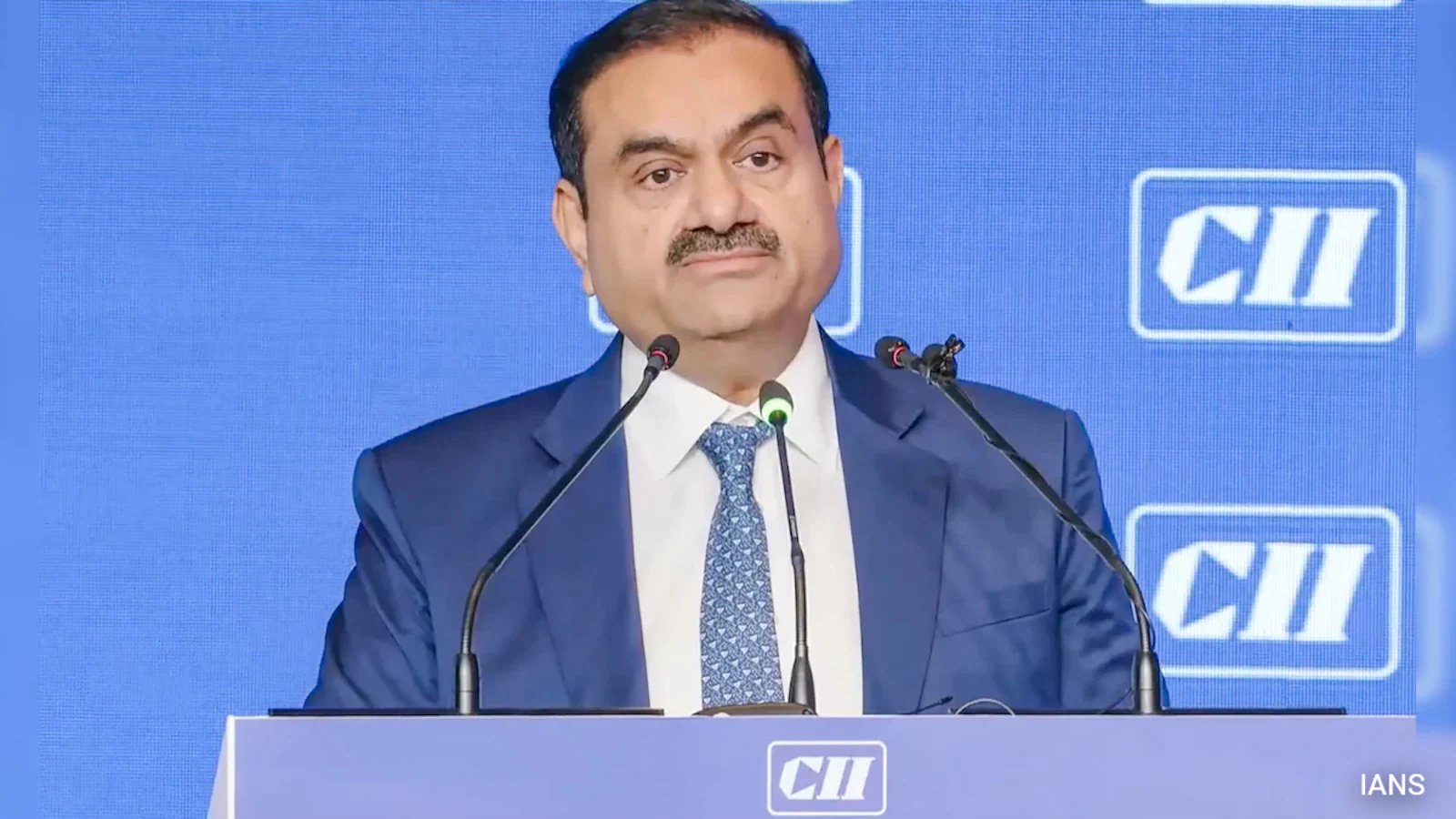
New York/New Delhi: In a significant development, a US court has dismissed with prejudice criminal charges against Adani Group chairman Gautam Adani and his nephew, bringing to a close nearly two years of legal proceedings in an alleged fraud and bribery case.
The US District Court for the Eastern District of New York granted the Justice Department’s Rule 48(a) motion to dismiss the indictment against Gautam Adani, Sagar Adani, and former Adani Green CEO Vneet Jaain. The charges had included securities-fraud conspiracy, wire fraud conspiracy, and securities fraud.
Judge Nicholas Garaufis approved the Justice Department’s motion after requesting additional explanations from prosecutors regarding their decision to drop the case. A dismissal with prejudice permanently terminates the criminal proceedings and prevents the charges from being refiled, though it does not constitute a judicial ruling on the underlying allegations.
The criminal case began in November 2024, when US prosecutors alleged that Gautam Adani, Sagar Adani, former AGEL Chief Executive Officer Vneet Jaain, and others were involved in a conspiracy to pay $250 million in bribes to Indian government officials to secure solar power contracts. These contracts were projected to generate over $2 billion in after-tax profits across two decades. Prosecutors also claimed that investors were misled as the group raised more than $3 billion through loans and bond issuances in US markets.
The Adani Group consistently denied the criminal allegations, labeling them baseless and asserting adherence to applicable laws and regulatory requirements.
Separately, the SEC’s civil action has also been resolved through a final judgment against Gautam Adani. Under this judgment, Adani consented to the order without admitting the allegations and is required to pay a $6 million civil penalty to the SEC within 30 days.
In its submissions to the court, the Trump administration argued that continuing the prosecution no longer served the interests of justice. This stance was based on significant jurisdictional and evidentiary challenges, the predominantly Indian nature of the alleged conduct, the fact that Indian authorities had already investigated the matter, the absence of identified investor losses, and broader public-interest considerations.
The Department of Justice (DoJ) further stated that the indictment, unsealed in November 2024 during the final weeks of the previous Biden administration, had little realistic prospect of proceeding to trial. It suggested the indictment appeared to be a politically motivated “name and shame” exercise orchestrated by the outgoing administration.
In dismissing the charges against Adani, Judge Garaufis confirmed that Adani’s November 2024 promise to invest $10 billion in the United States did not influence the Justice Department’s decision. He also acknowledged the limited role of judges in reviewing federal prosecutors’ decisions to drop charges.
Gautam Adani welcomed the decision “with humility and deep respect for the judicial process.” In a post on X, he stated, “Throughout this challenging period, our faith in truth, fairness and the rule of law remained unwavering. My deepest gratitude to those who never lost faith in us, in the system and in India’s capacity for justice. We will continue doing what matters: building for our nation, creating value that outlasts us and serving a purpose larger than ourselves. That is our commitment.”
Before approving the dismissal, Judge Nicholas Garaufis had instructed the DoJ to publicly explain its reasons for seeking dismissal. He also required the defendants to file sworn declarations confirming there was no promise, offer, quid pro quo, or undisclosed agreement connected with the decision. Gautam Adani’s sworn declaration categorically denied any such arrangements. After reviewing the government’s submissions and the sworn declarations, the court accepted the motion and permanently dismissed the case.
The dismissal means the criminal proceedings concluded before trial. No witnesses were examined, no evidence was tested in court, and no judicial findings were made on the underlying criminal allegations.
These proceedings unfolded amidst heightened global scrutiny of the Adani Group following allegations made by the now-shuttered short seller Hindenburg Research in January 2023. That report triggered a sharp sell-off in Adani Group stocks, erasing over $150 billion in market value at its lowest point. The group consistently rejected those allegations and maintained compliance with all applicable laws and disclosure requirements.
The court found that the DoJ met the legal requirements for dismissal on one key ground: its argument that alleged statements about Adani Green’s anti-bribery policies and corporate compliance could amount to “inactionable puffery” – broad statements that investors could not reasonably rely on – thus creating legal risks for the prosecution.
The judge rejected or found insufficient several other reasons advanced by the government. These included the argument that the alleged misconduct occurred almost entirely in India, presenting significant US securities-law jurisdictional risks. The court noted that the indictment itself alleged that investors committed funds in the United States and that the transactions involved the US financial system. The court also found that the government’s argument concerning the absence of sophisticated-investor deception did not provide sufficient support, though it noted it did not need to reach that issue because the puffery rationale was sufficient to dismiss the three counts.
The dismissal was with prejudice, ensuring the three charges cannot be brought again. The court stated there was no concern about prosecutorial harassment because the government had requested dismissal with prejudice and the appearing defendants had consented to it.