






Trump’s Venezuela Oil Deal: Can It Actually Lower Gas Prices for Americans?
President Donald Trump is championing a historic energy agreement with Venezuela, pitching it as a primary solution to “substantially lower gas prices for all Americans.” While the administration promises that the deal will secure long-term energy dominance, energy experts and market analysts remain cautious, warning that the path to cheaper fuel at the pump is far from straightforward.
The Scope of the Agreement
The centerpiece of this arrangement is a 25-year energy pact involving the U.S. government and a private consortium. The deal grants rights to 17 untapped oil fields in Venezuela—a nation that holds some of the world’s largest crude reserves—with the aim of boosting production to 1.5 million barrels per day.
Under the framework, a new entity has been formed to exploit fields containing an estimated 65 billion barrels of oil. Reports indicate the U.S. government plans to secure a 35% passive stake in North American Blue Energy Partners, a firm linked to Venezuelan businessman Alejandro Betancourt. Proponents of the deal suggest it could trigger $100 billion in investment into Venezuela’s long-struggling energy sector, potentially generating over $209 billion in tax revenue for Caracas while providing a steady, low-cost supply of crude to the United States.
The Challenge of the Strategic Petroleum Reserve
A key goal of the partnership is to replenish the U.S. Strategic Petroleum Reserve (SPR), which has been severely depleted. Currently holding approximately 286 million barrels—far below its 714-million-barrel capacity—the reserve hit its lowest levels since 1982 following emergency releases intended to offset global market disruptions, including the closure of the Strait of Hormuz.
The Trump administration has been searching for “creative ways” to refill these reserves without relying on direct federal funding, especially after finding that Congress has been reluctant to authorize the multibillion-dollar appropriations required for the task. The administration believes that by tapping into Venezuelan crude, it can add 50 million barrels to the SPR annually at “zero cost to the United States.”
Why Cheap Gas May Not Happen Overnight
Despite the administration’s optimistic rhetoric, several hurdles stand in the way of immediate relief for American motorists:
- Production Delays: Even if the deal proceeds as planned, it could take months—or longer—to bring new barrels to the global market. Venezuelan oil infrastructure requires significant modernization before it can reach full capacity.
- The Stockpile Gap: Even if oil begins flowing from Venezuela by the end of the year, the priority is to rebuild the SPR. Analysts point out that any new supply will likely be diverted to the salt caverns rather than directly flooding the market to lower current gas prices. Restoring the SPR to full capacity is a multi-year project, not an overnight fix.
- Funding and Execution: The administration has yet to provide granular details on how the procurement of Venezuelan crude will be financed or logistically handled, leaving investors and skeptics looking for more clarity.
- Political Instability: The longevity of the deal is tied to the volatile political climates in both the U.S. and Venezuela. Experts warn that future election cycles in either nation could jeopardize the continuity of this long-term arrangement.
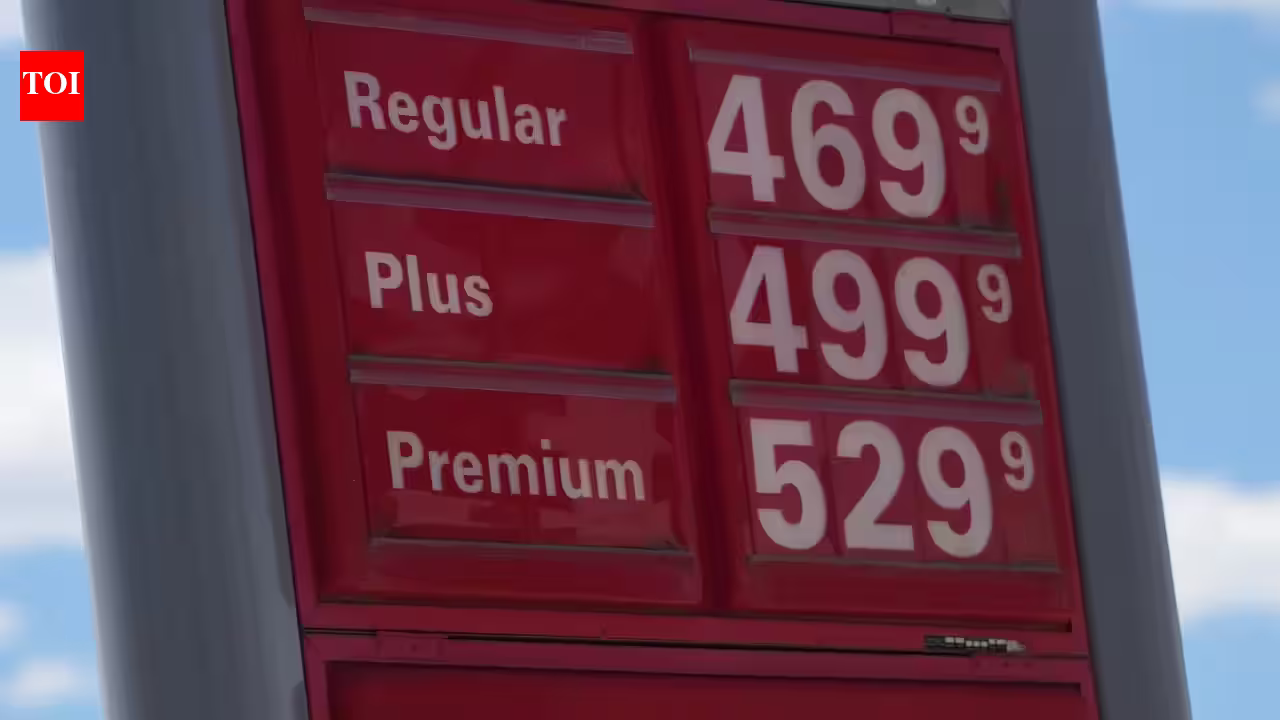
“I think they probably see this as a plausible mechanism for both stimulating the Venezuelan industry and bringing oil into the country,” says energy expert Joseph Majkut. However, as the U.S. looks toward an uncertain economic future, the promise of $4-a-gallon gasoline remains a difficult target to hit. For now, the administration’s focus remains on establishing a long-term energy pipeline, even if the immediate relief for American consumers remains a distant prospect.