








From Experimental Lab to Storefront Staple
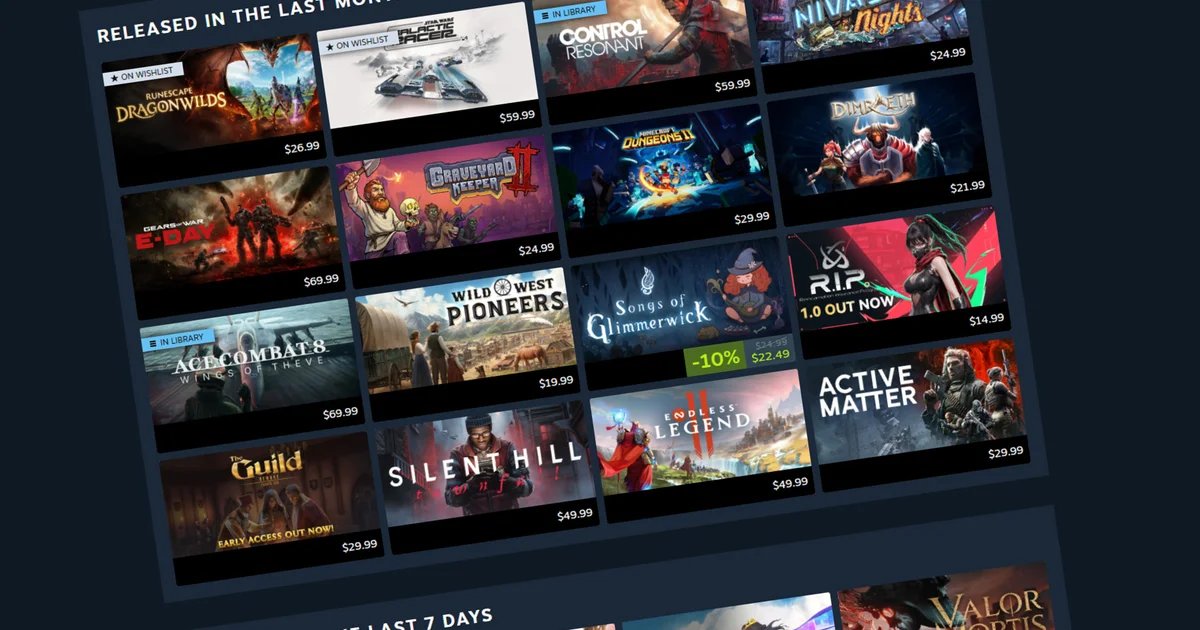
Valve has officially transitioned the Steam Personal Calendar from its developmental phase within Steam Labs to a permanent, core component of the Steam Store. This tool, which has been available for limited user testing over the past several months, serves as a personalized discovery engine. By graduating from the experimental testing grounds, the feature indicates that Valve has successfully refined its internal recommendation logic to a point where it can reliably serve the broader Steam user base.
The Personal Calendar serves as a longitudinal view of the marketplace, specifically curated to reflect the individual history of each user. While the standard Steam storefront often feels like a flood of high-velocity releases, the Calendar acts as a structured filter. It organizes games based on a rolling eight-week window, highlighting both titles that have recently launched and those slated for release in the near future. The graduation of this feature signifies a shift in how Steam handles long-term discovery, moving away from static lists toward a fluid, temporal interface that acknowledges the specific pacing of a gamer’s interests.
The Mechanics of Recommendation Logic
The effectiveness of the Personal Calendar relies on a sophisticated backend process that analyzes user behavior patterns. Valve’s recommendation system operates on a collaborative filtering model, which is fundamentally different from traditional, genre-based tagging. Instead of simply suggesting games that share the same tags—such as “action” or “strategy”—the system identifies users with similar playtime profiles.
By examining the play history of a user, the algorithm identifies “neighboring” accounts that demonstrate analogous gaming habits. When these similar profiles consistently add specific titles to their wishlists or spend significant time playing them, the system flags those games as candidates for the user’s personal calendar. This creates a feedback loop where recommendations become increasingly precise as the system digests more granular data. Because the calendar refreshes daily, the system remains responsive to sudden shifts in player interest, such as an individual exploring a new genre or discovering a niche indie title that gains traction within their specific peer group.
Navigating the Eight-Week Horizon
The core architectural choice of the Personal Calendar is the eight-week time horizon. This constraint provides a balanced view of the market, preventing the interface from becoming cluttered with long-term projects that lack release dates, while simultaneously ensuring that users are alerted to games well before they drop.
This temporal focus addresses a specific pain point in digital distribution: the “discovery gap.” In a market where dozens of games are released daily, the sheer volume of content often leads to analysis paralysis. By restricting the view to a manageable window, the calendar forces the algorithm to prioritize relevance over raw popularity. For the user, this means that the featured games are not necessarily the ones selling the most copies globally, but the ones most pertinent to their specific history. As release dates lock in or move, the calendar dynamically updates, ensuring the list remains an accurate representation of what the user is most likely to play in the immediate future.
Integration within the Broader Steam Ecosystem
The elevation of the Personal Calendar is part of a larger, coordinated effort by Valve to overhaul the Steam storefront through algorithmic personalization. Recent updates to the Steam homepage, which have shifted discount and event sections toward a more data-driven layout, suggest that Valve is moving toward a highly customized browsing experience for every user.
Rather than presenting a universal version of the store, the platform is evolving into a unique environment tailored to individual interaction habits. The Personal Calendar fits neatly into this strategy by providing a structured, chronologically organized subset of the recommendations that appear elsewhere on the site. This consistency across the platform helps build user trust in the recommendation engine, as users can cross-reference their primary store page with the specific dates provided by the calendar. It reflects a shift in platform philosophy where the interface itself adapts to the user, rather than requiring the user to manually sift through global storefront data.
Impact on Market Discovery and Developer Visibility
For independent developers and small studios, the maturation of the Personal Calendar represents a significant change in how games gain visibility. Traditionally, visibility on Steam was heavily skewed toward games that achieved high concurrent player counts or viral marketing success. By utilizing a recommendation system based on player profiles rather than just aggregate sales, the Personal Calendar gives smaller, niche titles a higher chance of reaching their target audience.
If a game resonates with a specific group of players, those players’ recommendations will naturally draw in others with similar profiles, creating a sustainable discovery path that is less dependent on traditional advertising spend. This transition benefits users by reducing the “noise” of popular but irrelevant titles and helps developers bridge the gap between niche appeal and commercial success. As the algorithm continues to ingest daily data, it will likely continue to optimize this match-making process, ensuring that the Steam Store remains a dynamic, user-centric marketplace. This evolution underscores a strategic push by Valve to ensure that the platform remains relevant and intuitive, even as the global volume of digital game releases continues to expand.
Disclaimer: This content is auto-generated for informational purposes only.
Source: Read Original News