







The Strategic Realignment of Venezuelan Energy Assets
The recent announcement by the Venezuelan administration regarding the signing of 61 oil agreements, totaling an estimated $76 billion in foreign investment over the next five years, signals a profound shift in the global energy landscape. For years, Venezuela’s vast hydrocarbon wealth remained largely inaccessible to international markets due to severe operational inefficiencies, infrastructure decay, and the restrictive nature of domestic energy policies. With the recent political transition and the active backing of the United States, the country is attempting a systemic overhaul of its energy sector.
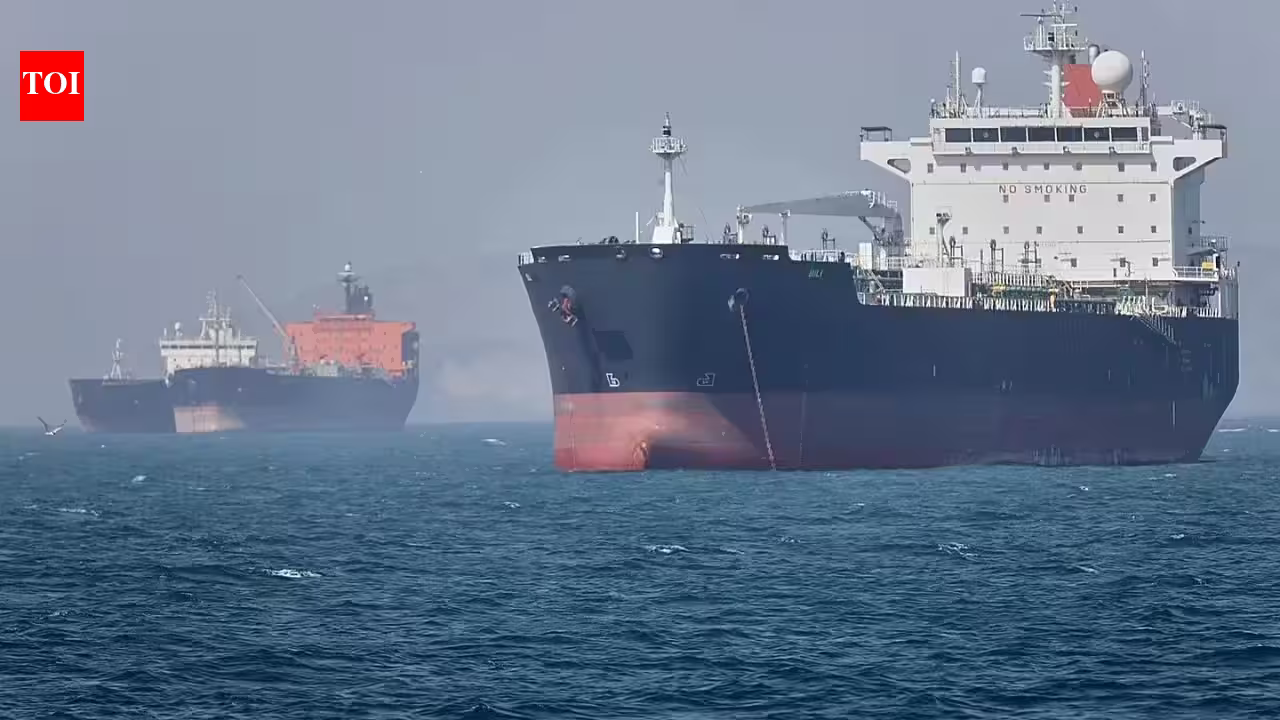
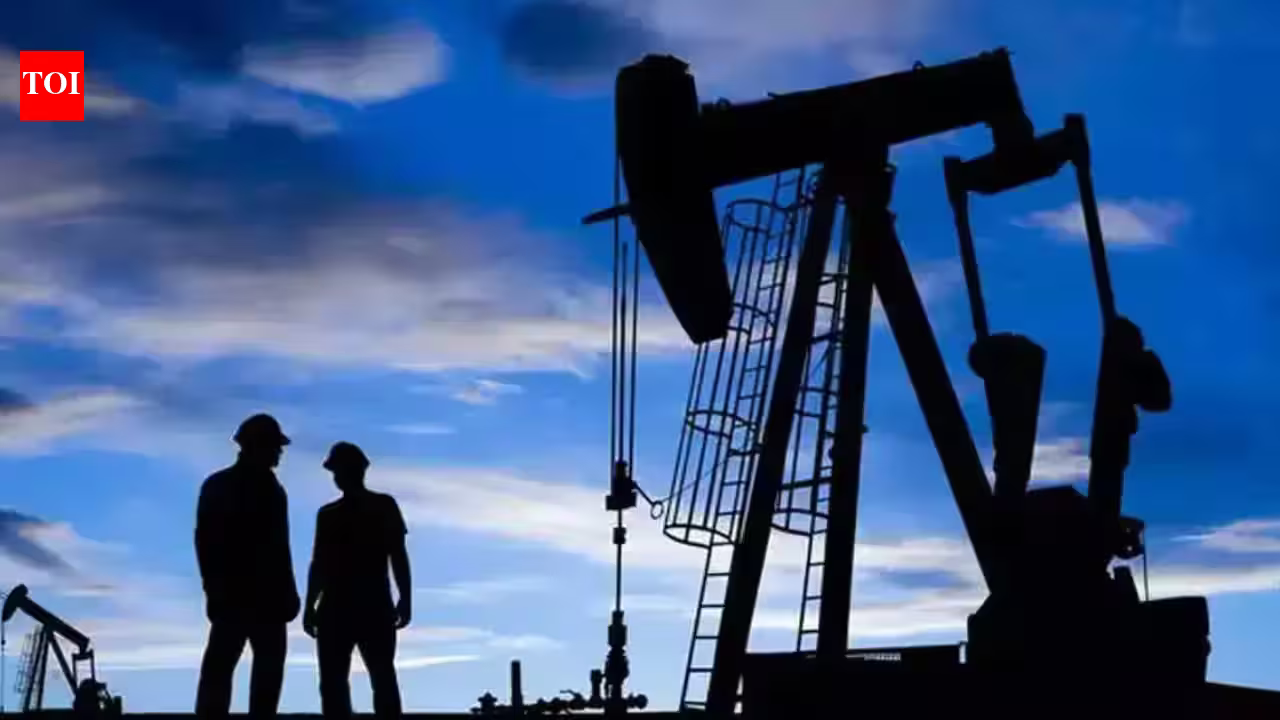
At the core of these agreements is a bilateral accord with the United States, which outlines the deployment of 250 drilling rigs across 17 oilfields. This initiative represents a departure from years of isolationism and signals a return to active engagement with Western capital. The significance of this move cannot be overstated; Venezuela holds the world’s largest proven crude oil reserves, yet its actual production capacity has plummeted over the past decade. By inviting international players to participate in the rehabilitation of these fields, the government is essentially seeking to convert dormant geological assets into active economic drivers.
Operational Recovery and Production Benchmarks
The success of these massive investments hinges on the ability to translate capital influx into tangible output. Acting President Delcy Rodriguez highlighted a significant rise in production within the Zulia region, noting that output surged from 70,000 barrels per day (bpd) to 370,000 bpd. Projections suggest this figure could reach 400,000 bpd by the close of the year. While these gains are noteworthy, they must be contextualized within the broader framework of the country’s historic production capacity, which once exceeded three million barrels per day.
The primary hurdle facing the Venezuelan energy sector remains the rehabilitation of PDVSA, the state-owned oil company, which has suffered from chronic underinvestment and operational mismanagement. To reach the targets set by these new agreements, the influx of technology, equipment, and technical expertise from foreign partners is essential. The drilling of 250 new rigs will serve as a foundational step toward stabilizing field operations. However, the international business community will likely monitor the stability of the legal and regulatory environment closely, as past expropriations and shifts in fiscal policy remain significant deterrents for long-term project finance.
Implications for the Indian Energy Market
The global energy market is highly interconnected, and significant shifts in major producing nations like Venezuela have direct repercussions for large importers like India. India, which imports over 85 percent of its crude oil requirements, maintains a diversified sourcing strategy to balance its energy security and fiscal health. A revitalized Venezuelan oil industry offers a potential increase in global supply, which could exert downward pressure on international crude prices—a development that would be fundamentally beneficial for India’s current account deficit and domestic fuel price stability.
Historically, India has engaged with Venezuela through investments in energy projects via state-owned enterprises such as ONGC Videsh. As the Venezuelan sector opens up to a new cohort of international investors, Indian energy firms may find renewed opportunities to participate in exploration and production joint ventures. Furthermore, the stabilization of Venezuelan production could reduce the volatility of the global oil basket, allowing Indian refiners to optimize their crude slates more effectively. As the situation evolves, Indian oil marketing companies will likely evaluate the geopolitical stability and the risk-reward ratio of re-engaging with Venezuelan assets in the context of broader global trade agreements.
Geopolitical Risks and Regulatory Stability
Despite the optimism surrounding the $76 billion investment package, the geopolitical context of this transformation remains complex. The legal proceedings in the United States involving former President Nicolas Maduro and his associates serve as a reminder of the turbulent transition that paved the way for these new policies. For global investors, the primary concern is the durability of these agreements. In emerging markets where political change is frequent, the enforcement of contracts often becomes the greatest hurdle for multinational corporations.
The success of the current roadmap relies on the sustained cooperation between the Venezuelan authorities and their international partners, particularly the United States. Should political pressures mount or internal instability recur, the flow of capital and the execution of infrastructure projects could face delays. Furthermore, the global shift toward cleaner energy poses a long-term challenge to traditional oil-based economies. While the current focus is on maximizing immediate oil output, Venezuela faces the dual challenge of reviving its legacy industry while eventually preparing for a global economy that is gradually decarbonizing.
Economic Outlook and Long-term Sustainability
For Venezuela, this influx of investment is not merely an energy project; it is an economic lifeline. The country has endured years of severe hyperinflation, currency devaluation, and widespread infrastructure decline. By leveraging its oil reserves through partnerships that favor technology transfer and capital investment, the government aims to jump-start industrial growth and restore national revenues. The “win-win” rhetoric employed by the administration reflects a strategic attempt to reassure the international community that the era of resource nationalism may be coming to an end in favor of collaborative market-based exploitation.
However, the path to economic recovery requires more than just oil investment. It demands the reconstruction of supply chains, the restoration of banking systems, and a transparent legal framework that protects investors from arbitrary policy changes. As the first of the 61 agreements begin implementation, the international community will be watching to see if the promised $76 billion actually manifests in the form of capital expenditure and physical infrastructure on the ground. If these projects prove successful, they could serve as a model for how a nation with vast, trapped resources can re-enter the global market through strategic, transparent, and multi-lateral cooperation. The coming five years will be the definitive litmus test for whether Venezuela can successfully transition from an isolated energy producer back into a key pillar of global energy security.
Disclaimer: This content is auto-generated for informational purposes only.
Source: Read Original News