









Versant, the independent cable-focused media entity spun off from NBCUniversal, is demonstrating resilience in an evolving television landscape. Reporting its third-quarter financial results, the company surpassed Wall Street expectations, signaling that its pivot toward a more diversified revenue model is gaining traction even as traditional linear television faces industry-wide headwinds.
The company, which maintains a portfolio including CNBC, MS NOW, the Golf Channel, and USA, reported total revenue of $1.59 billion. While the firm continues to navigate the complexities of shifting viewing habits, its strategic emphasis on rebalancing its income streams is central to its current trajectory.
## Balancing the Revenue Scale: Advertising vs. Platforms
Versant is aggressively pursuing a target of a 50/50 split between advertising and platform-based revenue. This strategy serves as a buffer against the volatility of the traditional ad market. In the third quarter, advertising revenue dipped by 5.3% to $373 million, while platform revenue—driven by linear distribution and direct-to-consumer subscriptions—grew by 9.6% to $245 million.
For Versant, the goal is to decouple its success from the ups and downs of traditional ad spend by deepening its direct-to-consumer relationships. Executives highlighted that they have successfully finalized all planned pay-television distribution renewals for the year, providing a stable foundation for the coming fiscal periods. As the media landscape tilts further toward streaming, Versant is looking to leverage its massive reach—currently claiming over 120 million monthly viewers—to fuel these recurring revenue streams.
## Digital Integration and Tech-Forward Growth
Beyond its core cable assets, Versant is making significant investments in digital platforms and ecosystem integration. A major pillar of this growth is Fandango, which saw robust ticket sales during the quarter. To further diversify, the company recently launched its AVOD (advertising-supported video on demand) platform, aiming to capture viewers who have moved away from traditional cable bundles.
Technological synergy was also a highlight this quarter with the official integration of Full Swing, an acquisition aimed at bolstering the company’s presence in the golf technology space. Furthermore, the firm has leaned into the direct-to-consumer model with the launch of the MS NOW membership product. CNBC is slated to follow suit with its own standalone digital product sometime next year. These moves suggest that Versant is not just a content distributor, but a company building a tech-enabled ecosystem designed to compete in a digital-first marketplace.
## Financial Discipline and Shareholder Value
Despite a 7.4% dip in adjusted EBITDA to $353 million, Versant’s leadership maintains a bullish outlook on the company’s liquidity and operational efficiency. Net income reached $47 million for the quarter, with earnings per share landing at 34 cents.
CFO Anand Kini emphasized the company’s “financial discipline and flexibility,” noting that the firm is actually raising its expectations for free cash flow, which is now projected to exceed the previously stated range of $1.0 to $1.2 billion. This financial flexibility is being channeled directly back to investors. Having already returned $457 million to shareholders this year, the company announced an additional $100 million Accelerated Share Repurchase (ASR) program alongside its quarterly dividend declaration.
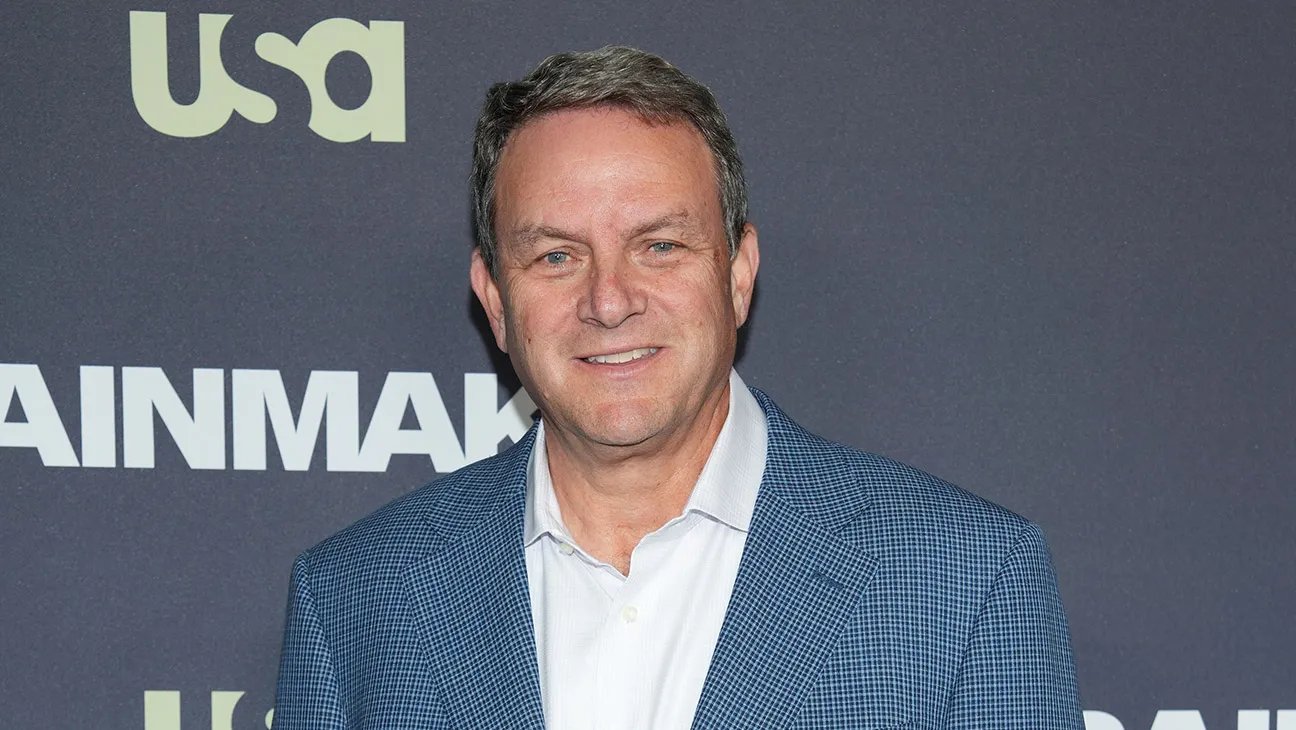
“We believe that our ability to invest in growth, maintain a healthy balance sheet, and return capital to shareholders is a distinct advantage,” said CEO Mark Lazarus. By balancing the long-term, high-stakes investments in digital infrastructure with a commitment to returning capital, Versant is attempting to prove that established media brands can successfully transition into the era of specialized, audience-centric digital platforms. As the company enters the final stretch of the year, its ability to manage these digital pivots while maintaining linear stability will be the key indicator of its long-term viability in a consolidated media market.
Disclaimer: This content is auto-generated for informational purposes only.
Source: Read Original News